International Play Day and the Significance of Play

International Play Day is observed every year on 11 June to acknowledge the vital role of play in human life. Established by a United Nations resolution in 2024, the day serves as a reminder of the importance of games and play activities for people of all ages.
The initiative was proposed by Do Hung Viet, Deputy Minister of Foreign Affairs of Vietnam, who stressed that play is crucial for children’s development, health, and happiness. He also highlighted the responsibility of adults to ensure that every child has access to games, toys, and safe play spaces.
Supported by UN member states, sports organisations, educators, psychologists, and parents, International Play Day promotes inclusive and fair play environments. In Australia, educational institutions and local communities actively participate in recognising the day and advocating for equal play opportunities for all children.
Date and Establishment of the Holiday
International Play Day is observed annually on 11 June. The day was officially established through a resolution adopted by the United Nations General Assembly in March 2024. This formal recognition by the UN underscores the global importance attributed to the celebration of play, marking 11 June as a dedicated date for this observance each year.
Celebration and Support in Australia
International Play Day is observed in Australia on 11 June, in unison with the global community. The country actively supports the United Nations initiative aimed at ensuring access to play and playgrounds for all children. Australian educational institutions and organisations participate enthusiastically in events dedicated to this day, recognising the importance of play and sport as vital factors for children’s health and development. Local sports federations and community groups advocate for inclusive and safe play spaces, emphasising the need to create equal opportunities for children with diverse physical abilities. Australian parents and educators also promote the principles of fair play and respect associated with the celebration. Furthermore, the right to engage in play and recreational activities is acknowledged as essential for all children in Australia, regardless of their social or ethnic background.
Initiative for Establishment and Its Support
The initiative to establish International Play Day was proposed by Do Hung Viet, the Deputy Minister of Foreign Affairs of Vietnam. He emphasised the crucial role that play holds in fostering the development, health, and happiness of children. Do Hung Viet highlighted that every child should have access to games, toys, as well as sports and play facilities. He further stressed that ensuring this accessibility depends solely on the responsibility of adults. The proposal to create International Play Day received widespread support from the heads of United Nations member states. Additionally, the initiative was endorsed by various stakeholders including sports federations, industry unions, educators, psychologists, and parents, reflecting a broad consensus on the importance of promoting play for children worldwide.
Goals and Significance of International Play Day
The establishment of International Play Day serves a clear and important purpose: to remind people of the vital role that play holds in the life of every individual. This day emphasises the necessity of encouraging play activities for people of all ages, recognising that play is not limited to childhood but remains significant throughout the lifespan. By highlighting these goals, International Play Day aims to foster a broader appreciation of play as an essential and universal aspect of human experience.
The Role of Games and Sports in Human Life
Games and sports hold a significant place in the development of humanity, contributing not only to physical health but also to fostering an active lifestyle. Beyond their physical benefits, they play a crucial role in promoting peace across the globe. Sport, in particular, has the power to effect positive change in the world by strengthening cooperation among individuals and cultivating values such as tolerance and respect for others. Serving as a universal language, games and sports transcend national, cultural, and socio-economic differences, making them accessible and meaningful to people of all ages. This universality also extends beyond physical abilities, ensuring inclusivity regardless of individual capabilities. Recognising this, it is essential to create safe and inclusive play environments that welcome everyone, thereby reinforcing the unifying and transformative power of games and sports in human life.
Games as a Tool for Development and Learning
Play is an essential component of life, particularly in childhood, serving as one of the most effective methods for learning. Through play, children acquire new knowledge, develop skills, and uncover their talents and potential. The mechanics of play, including competitive elements, are inherent in many activities, making play a natural and engaging way to foster growth. Beyond skill development, play acts as a powerful instrument for promoting positive emotions and a sense of belonging. It encourages cohesion and involvement among participants, which contributes to social development. Moreover, play enhances cognitive abilities and communication skills in children, while also improving their emotional well-being as well as their mental and physical health. Ultimately, games are a clear indicator of a happy childhood, reflecting their vital role in nurturing a child’s overall development.
Games for All Ages and Their Social Significance
Games play a vital role not only in the lives of children but also for adults across all age groups. Engaging in various forms of play offers significant benefits for adults, including the improvement of internal well-being and the alleviation of conditions such as depression and burnout. Research indicates that participation in games can contribute to a reduction in aggressive behaviour, highlighting their positive social impact. The diversity of games available is extensive, encompassing team-based and individual activities, active physical games, board games, extreme sports, and large-scale mass participation events. This variety ensures that games can cater to different preferences and needs, reinforcing their importance as a universal social practice that fosters mental health and community connection.
Principles of Fair Play and Their Impact
The principle that any game must be fair is fundamental to the spirit of play. Fair play ensures that all participants engage on an equal footing, fostering respect and integrity within the activity. This principle extends beyond the boundaries of the game itself, influencing behaviour and interactions outside of sports and recreational contexts. By upholding fairness during play, individuals contribute to the creation of a more peaceful and just community. The values embedded in fair play promote mutual understanding and cooperation, which are essential for harmonious social relations. Thus, the commitment to fairness in games serves not only to enhance the experience of play but also to support broader societal ideals of equity and respect.
Challenges of Access to Play and Children’s Rights
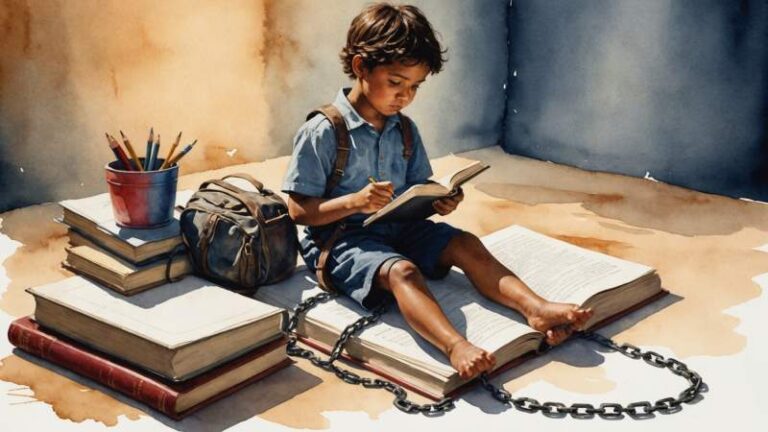
In today’s world, not everyone has the opportunity to live a dignified life, and for many, access to play remains an unattainable luxury. Millions of children worldwide are deprived of the chance to engage in play and learning activities, often due to circumstances that force them into labour instead. This stark reality highlights the urgent need to raise awareness among the general public, policymakers, and business leaders about every child’s fundamental right to access play. Such access should be guaranteed regardless of race, skin colour, social status, language, gender, political or religious beliefs. Furthermore, this right must extend to all children irrespective of their national, ethnic, or economic background, as well as any disabilities or other statuses they may have. Ensuring equitable access to play and recreational activities is essential for upholding children’s rights and fostering their development in an inclusive society.