
International Air Traffic Controllers Day and Aviation Safety
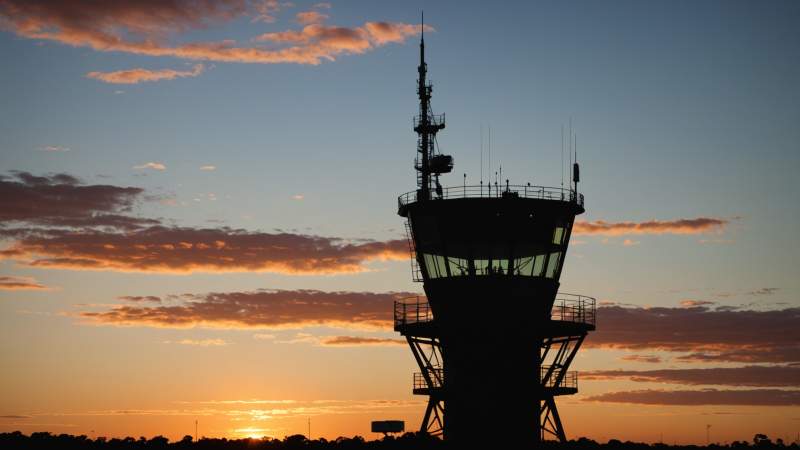
International Air Traffic Controllers Day is celebrated every year on 20 October to acknowledge the critical work of air traffic controllers and professionals involved in air traffic management. This day commemorates the establishment of the International Federation of Air Traffic Controllers Associations (IFATCA) in 1961, which represents over 50,000 controllers worldwide.
Air traffic controllers play a crucial role in ensuring the safety and efficiency of air travel by managing aircraft movements on the ground and in the air. Their responsibilities include preventing collisions, guiding aircraft through adverse weather, and supporting crews during emergencies.
In Australia, Airservices Australia oversees air traffic control services across more than 600 locations, including major international airports. The profession is recognised as essential to national aviation safety, with specialised training and regulatory oversight provided to maintain high standards.
Date and History of the Holiday
International Air Traffic Controllers Day is observed annually on 20 October. This date holds historical significance as it marks the founding of the International Federation of Air Traffic Controllers Associations (IFATCA) on 20 October 1961 in Amsterdam. The establishment of IFATCA on this day underscores the importance of international cooperation among air traffic controllers and serves as the foundation for commemorating their profession worldwide.
Role and Significance in Australia
In Australia, the profession of air traffic controllers is recognised as one of critical importance to the safety of the national aviation system. The regulation of air traffic control activities within the country is overseen by the Civil Aviation Safety Authority (CASA) in accordance with national aviation legislation. The management of air traffic across Australian airspace is conducted by the government agency Airservices Australia, which operates a unified national air traffic management system for civil aviation.
Airservices Australia manages air traffic services at more than 600 service points throughout the country, including airports in all state and territory capitals. The organisation is also responsible for the training and certification of air traffic controllers to ensure their competence within the Australian air traffic management framework. Specialised educational and training programmes are in place, incorporating the study of English language and aviation terminology, to prepare controllers for their demanding roles.
Australian air traffic controllers actively participate in national exercises designed to practise responses to aviation incidents and emergencies. They collaborate closely with aviation rescue and firefighting services during search and rescue operations. The air traffic control system in Australia utilises radar surveillance and satellite navigation technologies under the direction of controllers to maintain safe and efficient airspace management.
Controllers in Australia ensure the safe movement of both domestic flights between cities and international flights traversing Australian airspace. They operate in high-traffic environments, particularly in major international airports such as Sydney, Melbourne, and Brisbane. Professional associations of Australian air traffic controllers are members of the International Federation of Air Traffic Controllers’ Associations (IFATCA). On International Air Traffic Controllers Day, these professional bodies alongside Airservices Australia issue statements recognising the vital role of air traffic controllers in maintaining flight safety.
International Federation IFATCA
The International Federation of Air Traffic Controllers’ Associations (IFATCA) is a global organisation representing air traffic controllers. It has member associations in more than 130 countries, reflecting its extensive international reach. Collectively, IFATCA represents over 50,000 air traffic controllers worldwide. This broad membership underscores the federation’s significant role in uniting professionals dedicated to the safety and efficiency of air navigation across the globe.
The Profession of Air Traffic Controllers: Tasks and Responsibilities
International Air Traffic Controllers Day is a professional holiday dedicated to air traffic controllers and personnel involved in managing air traffic. Air traffic controllers bear the critical responsibility of ensuring passenger safety in the skies. Their duties encompass controlling and maintaining the safe and orderly movement of aircraft both on the ground and in the air. A fundamental aspect of their role is preventing collisions between aircraft, which requires constant vigilance and precise coordination.
Controllers provide essential assistance to flight crews during special situations, including directing aircraft to alternate airports when necessary. They also support crews encountering hazardous weather conditions such as thunderstorms and cyclones, helping to navigate these dangers safely. The scope of their control extends from the moment an aircraft’s engines start before takeoff at the departure airport until it taxis to the parking stand after landing at the destination airport.
Air traffic controllers guide aircraft along the required routes at the destination airport and coordinate search and rescue operations involving aviation assets when needed. Additionally, they oversee the operation of radio-technical equipment and communication systems vital for effective air traffic management. Regardless of circumstances or working conditions, air traffic controllers must perform their duties with unwavering professionalism and dedication to maintain the highest standards of aviation safety.
Requirements for the Professionalism of Air Traffic Controllers
Air traffic controllers must possess a comprehensive knowledge base to perform their duties effectively. This includes a thorough understanding of aviation regulations, the flight and technical characteristics of aircraft, air navigation, and aviation meteorology. Proficiency in the English language is also essential, given its status as the international language of aviation. Beyond technical expertise, air traffic controllers are required to demonstrate professional skill and undergo specialised psychological training. This combination of knowledge and psychological preparedness ensures that controllers can manage the complexities of air traffic control with precision and composure.
The Significance of International Air Traffic Controllers Day
International Air Traffic Controllers Day serves as a dedicated occasion to highlight the critical work performed by air traffic controllers. This day is instrumental in emphasising the importance of the profession within the aviation industry. It provides an opportunity to communicate the achievements of air traffic controllers, recognising their contributions to aviation safety and efficiency. Additionally, the day is used to outline future plans and objectives aimed at advancing the profession and addressing emerging challenges. Through these efforts, International Air Traffic Controllers Day fosters greater awareness and appreciation of the vital role air traffic controllers play in maintaining safe and orderly skies.