
International White Cane Safety Day and Its Significance
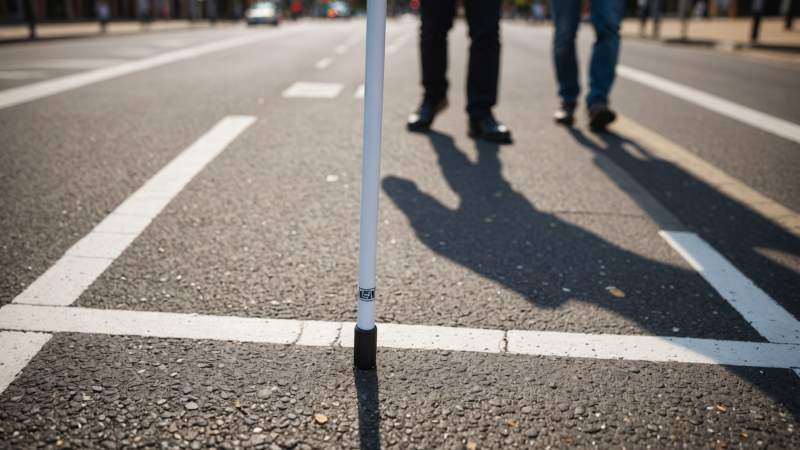
International White Cane Safety Day is dedicated to recognising the challenges faced by people with vision impairments and promoting solidarity and support. The white cane is a recognised symbol of blindness and an essential tool for orientation and mobility.
The history of the white cane dates back to 1921 when James Biggs, a photographer from Bristol who lost his sight, painted his cane white to increase its visibility. This innovation gradually spread across England, Europe, and other countries.
Observed annually on 15 October, the day aims to raise public awareness about the needs of blind and vision-impaired individuals. Various organisations worldwide, including those in Australia, conduct educational and interactive activities to foster understanding and inclusion.
Date and Symbolism of the Holiday
International White Cane Safety Day is observed annually on 15 October, a date officially designated by the United States Congress. The first celebration of White Cane Day in America took place in 1964. Subsequently, the International Federation of the Blind established 15 October as the global observance of the day in 1970. This date has since become a significant symbol worldwide, dedicated to raising awareness about people with physical disabilities, fostering assistance, and promoting solidarity.
The white cane itself serves as a powerful emblem of the blind community and functions as a vital tool for spatial orientation. In Australia, the day is marked by various public organisations, including Vision Australia and Guide Dogs Australia, which organise walks, demonstrations of white cane mobility techniques, and educational events aligned with the international observance. Blind Citizens Australia highlights that White Cane Day in the country represents the movement of blind and vision-impaired individuals towards full societal participation and equal rights.
The core values embodied by International White Cane Safety Day are tolerance, equality, and integration. These principles underscore the day’s purpose in advocating for the inclusion and recognition of people with vision impairments within society.
Celebrations and Events in Australia
In Australia, International White Cane Safety Day is observed by organisations supporting people who are blind or have low vision as an opportunity to remind the public that the white cane is a recognised symbol of blindness and equality for those with visual impairments. In Queensland, Guide Dogs Queensland hosts interactive events in Brisbane’s city centre on this day, allowing participants to experience navigating with a white cane and wearing a blindfold. Vision Australia has organised special “White Cane Day walks” and other public walks during the commemoration, where participants carrying white canes demonstrate the capabilities of independent mobility for people with vision loss. National organisations such as Vision 2020 Australia and Guide Dogs Australia also use the day to launch information campaigns encouraging individuals experiencing vision deterioration to seek assistance and rehabilitation without delay. Additionally, the day serves as a platform for media coverage highlighting the barriers faced by people with visual impairments and emphasising the need to improve accessibility in urban environments, public transport, and information services across Australia.
The History of the White Cane and Its Significance
The history of the white cane as a symbol of blindness dates back to 1921. It originated in the British city of Bristol, where photographer James Biggs, having lost his sight due to an accident, began to navigate the city independently using a cane. Initially, Biggs used a black cane, which proved to be poorly visible to pedestrians and drivers alike. To improve its visibility, the cane was painted white, marking the beginning of the white cane’s association with blindness.
Over time, the white cane became widely adopted by blind individuals across England, Europe, and other countries. It serves not only as a symbol identifying a person as visually impaired but also as a crucial tool for spatial orientation. The sound produced when the cane strikes the pavement or road surface provides auditory feedback that helps the user detect elevated obstacles such as buildings, trees, poles, and parked vehicles.
Additionally, the sensation of the cane sliding over the ground allows the user to identify lower obstacles, including curbs, steps, manholes, and potholes. Through these functions, the white cane plays an essential role in enabling blind individuals to navigate their environment safely and independently.
Global Context and Social Policy
During the 1950s and 1960s, a widespread international campaign emerged focused on studying and raising awareness about the lives and needs of people with disabilities and special requirements. This period marked a significant shift in social policy, particularly in European countries and the United States, where governments increasingly emphasised social support and inclusion for individuals with disabilities. Reflecting this global movement, the international calendar includes several dedicated observances such as International Day of the Deaf, International Day of the Blind, and International Day of Persons with Disabilities. These commemorations highlight the ongoing commitment to recognising and addressing the challenges faced by people requiring additional support, situating International White Cane Safety Day within a broader framework of social policy and global awareness.
Goals and Community Initiatives
The primary goal of International White Cane Safety Day is to raise public awareness about the challenges faced by people who are blind. In many countries, this day is marked by a variety of activities organised by community groups and volunteers. These include seminars, meetings, training sessions, and lectures that focus on the lives of blind individuals, the purpose of the white cane, and ways to offer assistance. Additionally, tournaments and competitions are often held where sighted participants navigate with their eyes covered, fostering empathy and understanding. Media outlets also contribute by broadcasting programmes and publishing articles that highlight the lives, work, and achievements of blind people, further promoting awareness and inclusion.
Statistics on Visual Impairments
According to the World Health Organization, approximately 2.2 billion people worldwide live with blindness or some form of visual impairment. This significant global figure highlights the widespread impact of vision-related conditions on populations across different regions. Notably, around 80% of individuals affected by visual impairments are aged 50 years and older. This demographic trend underscores the increased prevalence of vision loss associated with ageing, reflecting the importance of addressing visual health in older adults. These statistics provide a crucial context for understanding the scale of visual impairment and the challenges faced by millions globally.