Free Money Day and Its Role in Promoting Money Circulation
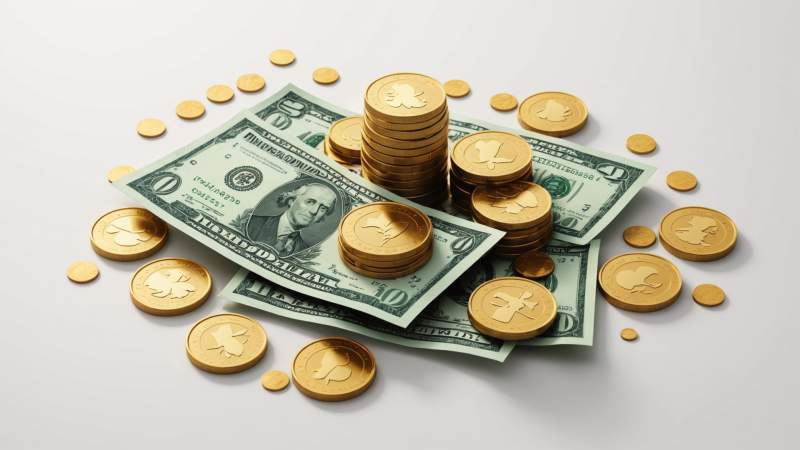
Free Money Day is a social experiment celebrated on 15 September each year. It was launched in 2011 to promote the sharing economy and encourage a healthy attitude towards money circulation.
The event was initiated by Donnie Maclurcan, co-founder of The Post Growth Institute, based in South Australia. The date commemorates the 2008 bankruptcy of Lehman Brothers, highlighting money as a tool for exchange and cooperation.
Participants give money to strangers and are encouraged to pass on half of what they receive, using various methods such as leaving cash in public places or online transfers. The event has grown globally, with numerous activities supporting its goals.
Date and Symbolism of the Holiday
Free Money Day is observed annually on 15 September. This specific date was chosen to commemorate the bankruptcy of the American investment bank Lehman Brothers in 2008. The selection of 15 September as the day for this event carries symbolic significance, linking the holiday to a pivotal moment in global financial history.
Features and Context in Australia
The Post Growth Institute, a key organisation related to the principles underlying Free Money Day, was founded in Australia and is registered as a non-profit entity in South Australia. This local origin provides a significant contextual backdrop for the event within the country. Australia’s monetary culture is characterised by the long-standing coexistence of free circulation of both cash and card payments, making the concept of “passing money forward” particularly resonant against the backdrop of widespread cashless transactions. The national currency, the Australian dollar, serves as the medium through which participants could conduct activities involving the distribution and transfer of money during Free Money Day events.
Charitable and community financial initiatives in Australia frequently take the form of local campaigns involving cafes, shops, and volunteers. This grassroots approach aligns well with the format of Free Money Day, which encourages community engagement and direct participation. Furthermore, the Australian economy places considerable emphasis on retail trade and small businesses, sectors where the idea of money actively circulating and “working” within the economy strongly connects with everyday practices. In 2026, the topic of cash usage in Australia gained additional prominence due to discussions around mandatory acceptance of cash payments in supermarkets and petrol stations, highlighting ongoing national debates about the role of physical currency.
History and Goals of Free Money Day
Free Money Day is a social experiment initiated in 2011 with the purpose of promoting the sharing economy. The event was first held in 2011 and was founded by Donnie Maclurcan, co-founder and director of The Post Growth Institute (PGI). By establishing Free Money Day, Maclurcan aimed to demonstrate that money should be viewed primarily as a tool for exchange and cooperation rather than merely a means of accumulation and competition. The central goal of Free Money Day is to foster a healthy attitude towards money, emphasising that money should be continuously circulated and actively working, instead of being hoarded or stored.
Rules and Forms of Participation
The central event of Free Money Day involves participants giving away their own money to strangers. A key rule of the initiative requires that recipients pass on half of the amount they receive to someone else, thereby encouraging continuous circulation of money. There are no strict regulations regarding the size of the sums given or the methods of transfer. Participants may choose to leave money in a visible place or transfer it online if they prefer not to hand it over personally. Additionally, some individuals create their own unique ways to distribute funds; for example, café owners might offer free coffee with the request that the recipient then passes the equivalent amount to a stranger. These flexible rules and diverse forms of participation help foster the spirit of generosity and promote the ongoing flow of money among the community.
Events and Public Perception
Free Money Day is marked by a variety of activities organised by activists, including the distribution of money, free music, products, lectures, and workshops. Since 2011, more than 300 events have taken place across 35 countries worldwide, according to data from the official Free Money Day website. Public reaction to these events is mixed, with attempts to hand out money often met with scepticism. Activists attribute this distrust to the prevailing belief that everything must be paid for. Despite this, the organisers of Free Money Day maintain that such initiatives help to develop people’s mindset and contribute positively to the global economy.