Presentation of the Blessed Virgin Mary Feast Overview
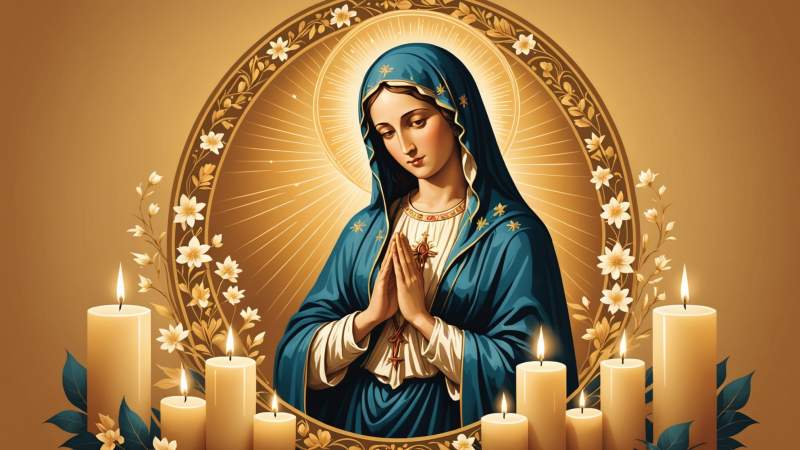
The Presentation of the Blessed Virgin Mary is a significant Christian feast observed on 21 November each year. It honours the event from Mary’s early life when she was dedicated to the temple in Jerusalem by her parents.
This feast is recognised by the Roman Catholic Church, the Ukrainian Greek Catholic Church, and several Orthodox churches. It holds a prominent place among the twelve major liturgical celebrations, aside from Easter.
The celebration recalls Mary’s upbringing in the temple, where she devoted herself to prayer, scripture, and religious duties until her adolescence. The feast has been observed since the eighth century and includes various traditional practices and observances.
Date and Observance of the Feast
The Presentation of the Blessed Virgin Mary is celebrated annually on 21 November. This feast is observed by several Christian denominations, including the Roman Catholic Church, the Ukrainian Greek Catholic Church, and various Orthodox churches. Despite its religious significance, the Presentation of the Blessed Virgin Mary is not recognised as an official public holiday in Australia.
History and Significance of the Feast
The Feast of the Presentation of the Blessed Virgin Mary commemorates a significant event in the life of Mary, the mother of Jesus Christ. Her parents, Saint Joachim and Saint Anne, were long unable to conceive a child and made a vow to God that if their prayers were answered, they would dedicate their child to His temple. Following this divine blessing, Anne gave birth to Mary and, in fulfilment of their vow, presented her to the Jerusalem temple at the age of three.
Upon Mary’s arrival, the high priest and numerous priests greeted her at the temple’s entrance. Remarkably, Mary ascended the temple steps without assistance from her parents, neither looking back nor calling out to them. The high priest then led her into the Holy of Holies, the most sacred part of the temple, which was ordinarily accessible only to him.
Mary remained in the Jerusalem temple until she was twelve or fourteen years old. During this time, she devoted herself to prayer, needlework, and the study of the Holy Scriptures. Eventually, a selection of suitors was arranged for Mary, and by a miraculous sign—a blossoming staff—the widower Joseph was chosen as her betrothed.
Liturgical Status and Worship Services
The Presentation of the Blessed Virgin Mary holds a significant place within the liturgical calendar of Christianity, ranking among the twelve most important feasts aside from Easter. Established as a formal celebration in the eighth century, this feast is recognised as the latest addition to the twelve great feasts in Orthodox tradition. On the day of the Presentation, special worship services are conducted in churches, drawing the faithful to participate in these solemn liturgies. Following the communal worship, believers continue the celebration within their homes, marking the feast with both public and private observances.
Traditions and Prohibitions on the Feast
The Presentation of the Blessed Virgin Mary falls during the Nativity Fast, which influences the customs surrounding the feast, particularly in terms of food. As a result, the dishes served at the festive table are strictly fasting-compliant, reflecting the solemnity of the period. Various prohibitions are observed from the day of the Presentation itself, extending through specific timeframes. For instance, from the feast until the Annunciation, digging the earth is forbidden, underscoring a respect for the natural world during this sacred time.
Additionally, from the Presentation until the ninth Thursday thereafter, there is a prohibition against striking the water with a washing paddle while doing laundry in the river. This act was traditionally believed to endanger the crops and potentially bring storms, highlighting the close connection between human activity and agricultural wellbeing in folk belief. Similarly, the processing of hemp is prohibited from the day of the Presentation, further emphasising the restraint expected during this period.
On the day of the Presentation itself, strict observance of prohibitions extends to refraining from needlework, household chores, and any form of bustling activity. It is also considered inappropriate to ask for or lend money, refuse assistance or alms, harm animals, or rush through the day. These customs collectively foster a spirit of reverence, compassion, and calm, aligning with the feast’s spiritual significance.
Folk Beliefs and Modern Times
Among the folk beliefs associated with the Presentation of the Blessed Virgin Mary, there was a strong conviction regarding the significance of the first person to enter a home on the feast day. It was believed that this individual could bring either joy or misfortune to the household. A young, beautiful, healthy, and wealthy first guest was considered a good omen, symbolising prosperity and happiness. Conversely, if the first visitor was old or ill, it was regarded as a bad sign, potentially foretelling difficulties or sorrow. Due to these beliefs, neighbours often avoided visiting each other on the day known as the Third Prechistaya, fearing they might be blamed for any ensuing misfortunes. Additionally, water collected on this day was thought to possess healing properties and was used both for treating illnesses and as a protective charm against the evil eye. However, in contemporary times, many of these traditions linked to the Presentation have lost their relevance and are no longer widely observed.