Alice Springs Agricultural Show and Regional Development
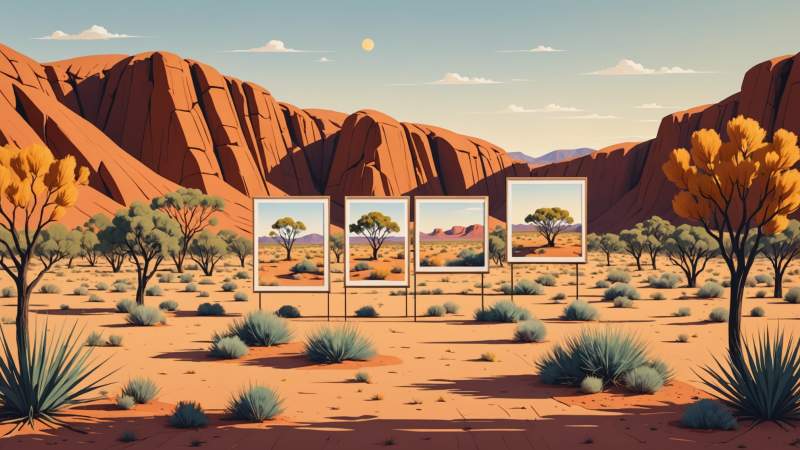
The Alice Springs Agricultural Show is a longstanding event held on the first Friday and Saturday of July in Central Australia. It serves as a platform to promote the region’s agricultural, commercial, industrial, artistic, and tourism sectors.
Established in 1960 by local residents, the show was designed to unite the community and celebrate the area’s history, culture, and talents in a family-friendly atmosphere. Over time, it has expanded to include a wide range of competitions, exhibitions, and entertainment.
Alice Springs, known as the Red Centre and located in the geographic heart of Australia, hosts this significant event which has become a regional public holiday. The show features unique attractions such as a camel parade, airshow, and displays of Aboriginal art and crafts.
Date and Status of the Celebration
The Alice Springs Agricultural Show is officially observed on the first Friday and Saturday of July each year. This event holds the status of a regional public holiday in the Northern Territory, recognising its importance in celebrating the development of agriculture within the region. On this designated day, residents of Alice Springs are granted time off from both work and study, allowing the community to fully participate in and acknowledge the significance of the agricultural sector’s contributions to the area.
The Town of Alice Springs and Its Characteristics
Alice Springs is a town with a population exceeding 25,000 people, situated in the geographical centre of Australia. Known as the “Red Centre,” it is surrounded by vast deserts, highlighting its remote and isolated location within the heart of the continent. Originally called “Stuart,” the town was renamed Alice Springs in August 1933. It is widely regarded as the capital of inland Australia, serving as a prosperous hub rich in history and cultural significance.
The climate in Alice Springs is marked by extreme variations, with summer temperatures soaring up to 40°C, while winter nights can drop below freezing. This climatic pattern influences local events, such as the timing of the Alice Springs Agricultural Show, which is held in July to avoid the intense summer heat and features night-time fireworks.
Alice Springs is also renowned for its vibrant arts scene, blending both contemporary and traditional forms. It holds the distinction of being the artistic capital of the Northern Territory and boasts more art galleries per capita than any other Australian city. The town’s natural attractions, including the Larapinta Trail and the MacDonnell Ranges, further enhance its appeal.
Throughout the year, Alice Springs hosts numerous festivals, such as the Camel Cup, the Desert Festival, and the Parrtjima Festival of Light, reflecting its dynamic cultural life. Additionally, the local community gathers every Sunday at 11 a.m. in Anzac Hill Park for socialising, barbecues, and outdoor games, underscoring the town’s strong sense of community.
History and Development of the Show
The Alice Springs Agricultural Show first took place in 1960 at the ANZAC Oval stadium. It was initiated by a group of local residents who aimed to create a community event that would showcase the history, culture, and talents of the region. Designed as a traditional agricultural show, it was intended to bring people together in a family-friendly atmosphere. Since its inception, the show has grown significantly in both popularity and the number of participants. In 1970, the event merged with the Central Australian Cattle Breeders Association to raise funds, marking an important milestone in its development. A decade later, in 1980, the venue was moved from Tregear Street to the Blatherskite Park public reserve in the Northern Territory. During the 2010s, Blatherskite Park was expanded to accommodate agricultural machinery and family zones, reflecting the show’s ongoing growth and adaptation to community needs.
Objectives and Organisation of the Show
The Alice Springs Agricultural Show is designed to provide families with both an entertaining and educational experience. Its primary objective is to promote the development of agriculture, horticulture, viticulture, as well as commercial, industrial, artistic, and tourism opportunities within Central Australia. To support these aims, the Central Australian Show Association was established with a focus on fostering education and growth across industrial, pastoral, agricultural, artistic, and commercial sectors. Each year, the Central Australian Show Society organises the region’s largest community event, featuring competitions across 50 different categories. Additionally, the Alice Springs Show Association collaborates with the Desert Festival to offer cultural workshops led by Aboriginal artists, further enriching the educational and cultural dimensions of the event.
Programme and Features of the Show
The Alice Springs Agricultural Show offers a diverse programme designed to engage a wide audience. Visitors can enjoy a variety of competitions, exhibitions, and entertainment areas, including a farmers’ yard featuring animals and numerous attractions. The event hosts business exhibitions alongside culinary and photography contests, complemented by outdoor sporting activities. A distinctive highlight of the show is the camel parade and an airshow, both unique to Australia’s Red Centre. The exhibition also showcases Aboriginal art and crafts, reflecting the region’s cultural heritage. Attendees have the opportunity to indulge in traditional fair treats such as cotton candy, doughnuts, and strawberries with cream. The festivities culminate in a spectacular fireworks display, marking the grand finale of the event. With an attendance of around 15,000 visitors, the Alice Springs Show combines agricultural, cultural, and recreational elements into a vibrant community celebration.
Cultural and Social Significance
The Alice Springs Agricultural Show holds considerable cultural and social importance, reflecting the deep roots of the region. Established as a traditional rural show, it was conceived by a group of local residents with the aim of bringing the community together and fostering a family-friendly atmosphere. Each year, the event attracts a large number of people who gather to celebrate and participate in this longstanding tradition, reinforcing the social fabric of Alice Springs and highlighting its cultural heritage.