
International Bikini Day and the Evolution of the Bikini
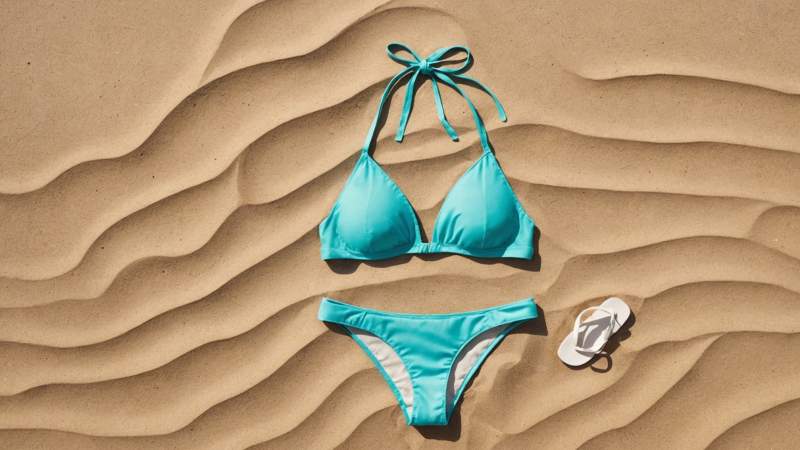
International Bikini Day is celebrated every year on 5 July, marking a significant moment in fashion history. This day honours the introduction of the bikini, a two-piece swimsuit that revolutionised swimwear design and cultural attitudes.
The bikini was first showcased on 5 July 1946 in Paris by Micheline Bernardini, a dancer who modelled the daring design created by Louis Réard. At the time, the bikini was considered shocking and was initially rejected by traditional models.
Over time, the bikini gained popularity and became a symbol of freedom and active outdoor lifestyle, particularly in Australia where it is closely associated with beach culture and fashion innovation.
Date and Significance of the Celebration
International Bikini Day is observed annually on the 5th of July. This celebration is dedicated to the bikini swimsuit and serves as a symbol of a historic event in fashion as well as broader cultural changes. The day recognises the impact of the bikini on style and society, marking its importance beyond mere swimwear to a representation of evolving attitudes and trends.
Popularity of the Bikini in Australia
In Australia, the bikini gained popularity as a beachwear choice starting from the 1950s, particularly on Sydney’s renowned beaches. Locations such as Bondi Beach are recognised as some of the earliest places where the bikini was widely adopted by the public. The garment has since become deeply embedded in Australian beach culture, symbolising freedom and an active outdoor lifestyle that resonates with the local way of life. Australian designers have played a significant role in this evolution by developing their own bikini lines tailored to the country’s climate and lifestyle preferences. The popularity of the bikini is further celebrated through an annual beauty and style contest dedicated to the garment, which highlights trends in beach fashion. Additionally, International Bikini Day in Australia is marked by various beach events, including fashion shows and sporting competitions, underscoring the bikini’s cultural significance and its association with leisure and vitality in the Australian context.
The History of the Bikini’s Creation
On 5 July 1946, in Paris, a significant moment in fashion history occurred when the stripper Micheline Bernardini showcased a new type of swimsuit. This garment, designed by French fashion designer Louis Réard, who managed a lingerie shop, marked a radical departure from the swimwear norms of the time. Prior to the mid-20th century, women’s swimsuits were typically closed and fully covered the torso, reflecting the modesty standards of the era. However, Réard’s design was a two-piece swimsuit that revealed much more skin than was customary, provoking shock among the public and being widely regarded as vulgar. Notably, French models refused to wear the swimsuit during the fashion show, considering it too revealing. Despite the controversy, photographs of Micheline Bernardini wearing the new swimsuit quickly circulated worldwide, propelling her to fame and cementing the bikini’s place in fashion history.
Name and Symbolism of the Bikini
The swimsuit known as the bikini received its name most likely from the Bikini Atoll. This atoll became historically significant when the United States conducted an atomic bomb test there on 1 July 1946. The introduction of the bikini as a new style of swimwear was met with shock and surprise, a reaction that was often compared to the shock caused by the nuclear explosion over Bikini Atoll. This symbolic association between the swimsuit and the atomic test highlights the dramatic impact the bikini had on fashion and society at the time.
The Spread and Reception of the Bikini
Until the mid-1950s, the bikini faced significant restrictions and was banned at many resorts around the world. This widespread prohibition reflected the conservative attitudes towards swimwear and public decency prevalent during that period. The turning point in the bikini’s acceptance came with the release of the film “And God Created Woman,” featuring Brigitte Bardot wearing a bikini. Bardot’s appearance in the film played a crucial role in changing public perception, helping to popularise the bikini and challenge existing social norms. Consequently, the bikini gradually gained broader acceptance and became a symbol of modernity and liberation in swimwear fashion.
Design and Types of Bikinis
The bikini is a two-piece women’s swimsuit characterised by its open design. It consists of two separate parts: one that covers the breasts and another that covers the groin and buttocks. There is a wide variety of bikini styles, which differ in the shape and size of these components. The main types of bikinis include the classic bikini, bikini-string, tankini, bardokini, feyskini, monokini, skertini, microkini, stickini, trikini, sling bikini, sports bikini, and mankini. Notably, the mankini is a male variant of the bikini, distinguishing it from the predominantly female styles.