
Social

  • Random Acts of Kindness Day

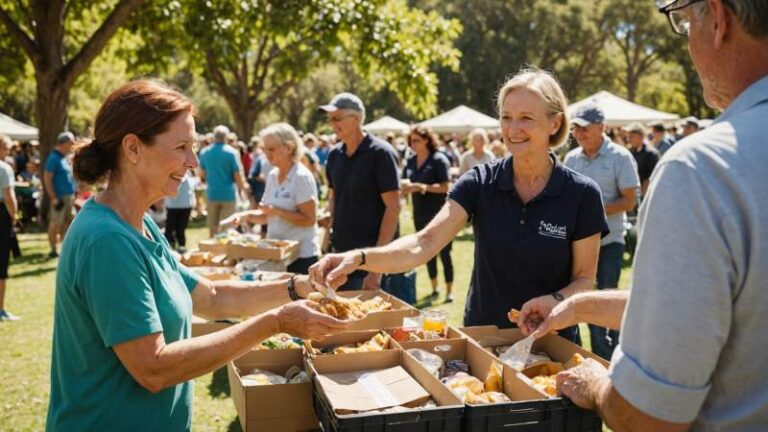
    Random Acts of Kindness Day, observed unofficially on 17 February in many countries including Australia, promotes spontaneous and selfless acts of kindness. Established by international charitable organisations, the day highlights kindness as a social norm that benefits communities and individuals alike. In Australia, the day is supported by schools, local communities, and NGOs through campaigns and volunteer activities. Acts of kindness range from helping the vulnerable to simple gestures like giving up a seat or offering compliments. The day emphasises altruism, compassion, and the positive effects of kindness on mental and physical health.

  • Anti-Bullying and Violence Day

    National Anti-Bullying and Violence Day in Australia is observed annually on the third Friday of March. It is an initiative led by the Bullying. No Way! program and supported by the Australian Department of Education. The day focuses on collaborative efforts between schools, communities, and students to find sustainable solutions to bullying. Bullying is defined as repeated aggressive behaviour causing harm and distress, with historical roots tracing back to physical persecution among youth. The event encourages awareness, prevention, and the promotion of safe school environments.

  • Loneliness Awareness Day

    Loneliness Awareness Day, observed on 26 March, focuses on the emotional state of loneliness and its distinction from social isolation. Loneliness can affect anyone, regardless of physical company, and may lead to serious mental and physical health issues. In Australia, millions experience loneliness, with significant impacts on young people and the elderly. The day encourages recognising loneliness, offering support, and promoting social connections to improve wellbeing.

  • Neighbour Day

    Neighbour Day is observed on the last Sunday of March and promotes neighbourly connections and community support. Historical legal principles and modern initiatives highlight the importance of neighbour relations for safety and wellbeing. In Australia, Neighbour Day events encourage social interaction, mutual aid, and preparedness for natural disasters. Research shows that strong neighbourhood ties improve mental health, reduce loneliness, and enhance community resilience. Local programs and online platforms support neighbourly cooperation and emergency readiness.

  • Salvation Army Founder Day

    Salvation Army Founder Day is observed on 10 April across all Salvation Army branches globally. The Salvation Army, established by William Booth in 1865, is an international Christian charitable organisation operating in 132 countries. It provides emergency response and social services without discrimination. William Booth, born on 10 April 1829 in Nottingham, UK, aimed to reach those neglected by traditional churches through practical aid and evangelism. The organisation expanded rapidly from London to countries including Australia, where it began work in 1880.

  • National Pet Day

    National Pet Day, observed on 11 April, was founded by Colleen Paige in 2006 to celebrate the joy pets bring and to raise awareness about animal shelter needs. Research shows pets improve cardiovascular health and reduce stress indicators like cortisol and blood pressure. The day promotes adoption with the motto ‘Don’t shop! Adopt!’ and is celebrated in countries including Australia, where RSPCA supports pet adoption. Popular pets include dogs and cats, with millions finding homes annually despite shelter challenges.

  • Global Pay It Forward Day

    Global Pay It Forward Day is observed annually on 28 April to inspire people globally to perform small acts of kindness. The movement is based on the 1999 novel by Catherine Ryan Hyde, which tells the story of a boy who creates a plan encouraging people to help others instead of repaying favours directly. Initiated by Australian writer Blake Bitty in 2007, the day has spread to over 85 countries. In Australia, the event is supported by communities, schools, and businesses through various campaigns and charitable activities.

  • Mothers Who Lost Children Day

    The International Day for Mothers Who Have Lost Children is observed on the first Sunday of May each year. Originating in Australia through Carley Marie Dudley, it recognises mothers grieving the loss of children due to stillbirth, miscarriage, sudden infant death syndrome, or other causes. The day provides a space for mothers to share their experiences, memories, and emotions openly. It aims to break the stigma surrounding child loss and support healing through acknowledgement and community. The observance honours the enduring pain of loss and the identity of mothers despite their children no longer being present.

  • International Disability Rights Day

    International Disability Rights Day is observed annually on 5 May to raise awareness about the rights of people with disabilities and combat discrimination. Originating in 1992 with coordinated actions across 17 European countries, the day focuses on equal rights in employment, education, and accessibility. The United Nations Convention on the Rights of Persons with Disabilities, effective since 2008, supports full participation and legal protection for people with disabilities. In Australia, disability rights are supported through legislation, national strategies, and the National Disability Insurance Scheme.

  • International No-Diet Day

    International No-Diet Day is observed annually on 6 May, originating in 1992 in the United Kingdom. Founded by Mary Evans Young, the day challenges diet culture and promotes body acceptance and healthy living at any size. It highlights the dangers of restrictive diets and eating disorders while opposing weight-based discrimination. The day is symbolised by a light blue ribbon and is supported internationally, including by feminist groups and health organisations in Australia. It honours those who have struggled with eating disorders or weight-related surgeries.


  • Mother's Day

    Mother’s Day is celebrated on the second Sunday of May in over eighty countries, including Australia and the United States. The tradition began in the USA in 1908, initiated by Anna Jarvis to honour her late mother. The day is marked by giving flowers, cards, and gifts to mothers and maternal figures. In both the USA and Australia, carnations are symbolic flowers worn to represent living and deceased mothers. The holiday has a strong family focus and includes various cultural and charitable activities.

  • Conscientious Objectors Day

    International Conscientious Objectors Day is observed annually on 15 May to recognise individuals who refuse military service due to moral or religious beliefs. Established in 1981 during a meeting in Copenhagen, the day highlights the historical persecution of conscientious objectors, notably under Nazi military justice. The German Bundestag’s 1997 resolution condemned Nazi-era sentences against objectors as unjust. Memorials, such as the one at Buchenwald concentration camp, commemorate those who suffered or died for their stance. The day also draws attention to the legal recognition and protection of conscientious objection in many countries, including Australia.

  • Safe Routes to School Day

    Safe Routes to School Day is an annual campaign held on the fourth Friday of May across Australia. Initiated in 1999 in New South Wales and nationally recognised since 2004, it encourages primary school students to walk to school. The campaign promotes road safety, healthy lifestyles, and environmental protection. Supported by government bodies and health organisations, it emphasises safe pedestrian behaviour and reducing car and public transport use for school trips.

  • Brunette Day

    Brunette Day is an unofficial holiday celebrated primarily on 28 May to honour dark-haired women. Its origins are unknown, but it is believed to have emerged as a counterpart to Blonde Day, which began in 2006. Dark hair is often associated with traits such as practicality, restraint, and wisdom, contrasting with stereotypes about light hair. The day has gained popularity, with various events including awards for outstanding brunettes in business and fashion. In Australia, where many people have dark hair, the celebration is reflected in cultural advertising and the prominence of famous brunettes.

  • International Walking Day

    International Walking Day is observed on 19 June to emphasise the importance of walking as a simple and accessible way to reduce stress and improve mental health. Originating in Michigan in the 1970s, the day encourages people to slow down and enjoy nature through leisurely walks. In Australia, walking is promoted as a key strategy for enhancing physical activity and wellbeing, supported by extensive networks of trails and community events. Regular walking has been shown to lower blood pressure, improve sleep, and extend life expectancy.

  • Smile at Strangers Day

    Smile at Strangers Day is observed annually on 25 June and highlights the universal value of smiling. Smiling stimulates endorphin release, improves mood, and reduces stress and blood pressure. In Australia, smiles are important for cultural exchange, social harmony, and promoting friendliness in diverse communities. Smiling at strangers fosters trust, eases communication, and supports emotional wellbeing. This day encourages sharing smiles to create a more welcoming and tolerant society.

  • World Kissing Day

    World Kissing Day is observed annually on 6 July, originating unofficially in the United Kingdom during the 2000s. The day recognises kissing as a universal expression of emotions such as love and respect, with various cultural rituals associated with it. Scientific study of kissing, known as philematology, highlights the involvement of numerous muscles and health benefits including stress reduction and immune system improvement. Celebrations include events and competitions worldwide, with Australia hosting flash mobs and kissing contests in major cities like Sydney and Melbourne.

  • Uncle and Aunt Day

    Uncle and Aunt Day, observed annually on 26 July, celebrates the important roles uncles and aunts play within families and communities. These relatives often provide emotional support, advice, and care, especially when parents or grandparents are absent. In many cultures, including traditional Australian Aboriginal societies, the terms ‘uncle’ and ‘aunt’ extend beyond biological ties to signify social roles and responsibilities. The day encourages acknowledging these relationships through personal communication and appreciation.

  • Five Random Encounters Day

    Five Random Encounters Day is an unofficial celebration held on 27 July that encourages people to engage in spontaneous interactions with five strangers. The event promotes brief conversations, smiles, and exchanges of gratitude to break daily routines and highlight the diversity of people around us. In Australia, such interactions often occur during beach walks or shopping trips. Groups like Random Acts of Kindness and Epic Events support these social connections through organised activities. Research indicates that talking to strangers can reduce fear of rejection and boost confidence.

  • Death Awareness Day

    Death Awareness Day, observed annually on 8 August, was established by The Groundswell Project in Australia to encourage open discussions about death and dying. Inspired by Andrew Anastasios’s 2010 book, the day aims to reduce stigma around death and promote planning for end-of-life care. Since its inception in 2013, the day has grown to include hundreds of events, educational seminars, and community gatherings. It supports practical actions such as writing wills and discussing funeral preferences, while also addressing grief and loss. The day fosters acceptance and understanding, helping people live more fully in the present.

  • International Left-Handers Day

    International Left-Handers Day is observed annually on 13 August to raise awareness about left-handedness and dispel related myths. Left-handers make up approximately 7% to 15% of the global population, with higher prevalence in regions such as South and Southeast Asia, Eastern Europe, and Australia. Historically, left-handers faced discrimination and forced retraining, which caused stress and health issues. The day promotes understanding of the challenges left-handers face, including the predominance of right-handed tools and the importance of supporting natural hand preference, especially in education and workplaces. In Australia, the day is recognised nationally with educational activities and specialised products available for left-handers.