Brunette Day: Recognition of Dark-Haired Women and Traditions
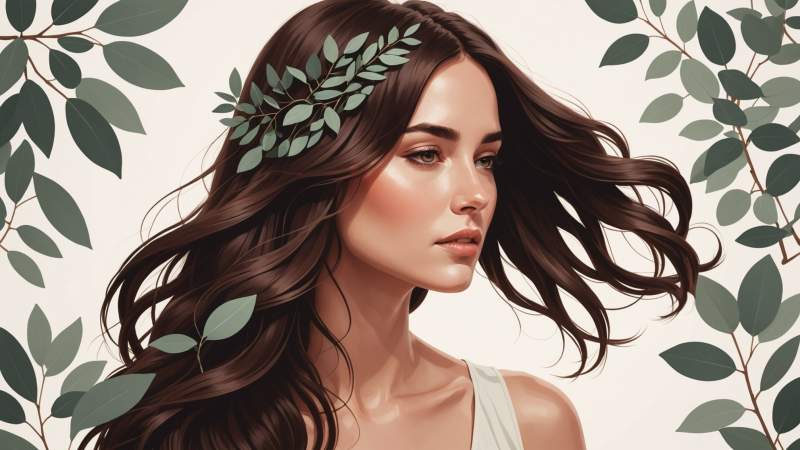
Brunette Day is an unofficial celebration dedicated to women with dark hair. It is most commonly observed on 28 May, although its exact origins and founder remain unknown.
The day is thought to have developed as a response to Blonde Day, which has been celebrated since 2006. Dark hair is often subconsciously linked to qualities such as practicality, restraint, and wisdom.
Despite widespread stereotypes about hair colour, these associations lack scientific basis. The tradition of distinguishing women by hair colour is well established in society and reflected in media and advertising.
Date of the Celebration
The most widely recognised date for celebrating Brunette Day is the 28th of May. This specific day has become the popular choice for honouring dark-haired women, marking it as the official occasion for the event. Observing Brunette Day on this date allows participants and admirers to collectively acknowledge and celebrate the unique qualities associated with brunettes.
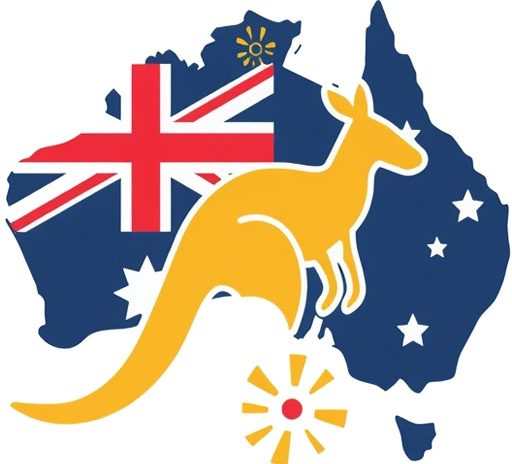
Brunette Day in Australia
In Australia, Brunette Day holds particular cultural resonance due to the demographic composition of the population. A significant majority of Australians have dark hair, reflecting the high percentage of individuals with European and Asian ancestry. This natural prevalence of brunette hair is mirrored in the country’s celebrity landscape, where notable figures such as Nicole Kidman in the early stages of her career, Margot Robbie before she lightened her hair, and Cate Blanchett are recognised as prominent brunettes. The celebration of Brunette Day in Australia is also marked by the active participation of local beauty brands like Aesop and Jurlique. These companies frequently promote hair care products specifically designed for dark hair during the period of the holiday, aligning their marketing strategies with the event. Additionally, Australian cultural perceptions often associate brunettes with traits such as practicality and wisdom. These stereotypes are especially evident in advertising campaigns for luxury goods, where the image of the brunette woman is utilised to convey sophistication and intelligence.
Origin and Popularity of the Holiday
Brunette Day is an unofficial celebration dedicated to all dark-haired women. The exact origin and founder of Brunette Day remain unknown, adding an element of mystery to the holiday. It is widely believed that Brunette Day emerged as a response to Blonde Day, which has been observed since 2006. Over time, Brunette Day has been gaining popularity, attracting increasing attention from various companies and organisations. In preparation for the occasion, these entities often organise events that highlight the significance of the holiday. Some of these events include awarding prizes to outstanding brunettes who have distinguished themselves in fields such as business, fashion, and other areas. This growing recognition reflects the holiday’s expanding cultural presence and its role in celebrating dark-haired women.
Stereotypes and Perceptions of Hair Colour
The perception of hair colour is deeply influenced by societal stereotypes that have become firmly entrenched over time. Dark hair, in particular, is subconsciously associated with qualities such as practicality, restraint, and wisdom. In contrast, lighter hair colours are often linked to carefreeness. Despite these widespread associations, it is important to recognise that such stereotypes about hair colour lack any factual basis. The tradition of categorising women as either brunettes or blondes remains a persistent social construct, reflecting cultural tendencies rather than objective truths.
Prevalence and Influence of Brunettes
Brunettes constitute the majority of the global population, a fact rooted in genetics where dark hair colour is a dominant trait. This prevalence makes dark hair more characteristic of humans compared to lighter shades. The influence of brunettes extends beyond biology into cultural and commercial spheres. Dark-haired women are frequently featured in advertising campaigns for luxury goods and high-end products, highlighting their association with elegance and sophistication. In the realm of international beauty contests, brunettes often dominate the list of winners, reflecting a widespread appreciation for this hair colour. Furthermore, many renowned actresses are brunettes, underscoring the prominence of dark-haired women in the entertainment industry. Iconic figures such as Coco Chanel, Audrey Hepburn, Elizabeth Taylor, Maya Plisetskaya, Galina Vishnevskaya, Valentina Tereshkova, and Angelina Jolie exemplify the global recognition and enduring influence of brunettes across various fields.