
International

  • Blondes Day

    Blondes Day is observed annually on 31 May, originating from efforts to challenge stereotypes about blondes. The celebration includes parades, contests, and social campaigns, particularly in Australia where it promotes awareness and diversity. The day also features beauty promotions and community events. Scientific studies note a decline in natural blondes globally, with Finland having the highest concentration. The event fosters positive recognition and combats discrimination against people with light hair.

  • International Children's Protection Day

    International Children’s Protection Day is observed annually on 1 June to raise awareness about child welfare and protection. Established officially in 1949 by the International Democratic Federation of Women, the day originated from concerns about disadvantaged children after World War II. The celebration includes various activities such as contests, workshops, and special programs for children worldwide. Many countries participate in this observance, which often coincides with national children’s days. In Australia, child protection efforts are supported through dedicated programs, legislation, and educational initiatives.

  • International Bloggers' Day

    International Bloggers’ Day is observed annually on 14 June as an unofficial celebration dedicated to digital content creators. Established in 2004 by 500 individuals from over 40 countries, the day symbolises friendship among bloggers. Blogging involves maintaining an online diary to share life events, opinions, and specialised content across various themes. The event encourages bloggers worldwide to express solidarity and connect with peers, with activities including online posts and offline meetings in some countries.

  • World Refrigeration Day

    World Refrigeration Day is observed annually on 26 June to emphasise the importance of refrigeration, air conditioning, and heat pump technologies. The day honours the contributions of pioneers like William Thomson and James Harrison, recognising the development of cooling systems from early ice collection to modern thermodynamic cycles. Established in 2019, the event is supported globally by organisations such as ASHRAE, UNEP, and AIRAH. Each year, the day focuses on different themes related to the refrigeration sector, promoting awareness and innovation.

  • World Fisheries Day

    World Fisheries Day is celebrated annually on 27 June, established in 1985 following the 1984 International Conference on Fisheries Regulation and Development held in Rome. The day honours fishing, one of humanity’s oldest methods of food procurement, encompassing industrial, recreational, and sport fishing. Traditional fishing methods date back to the Middle Palaeolithic era, with ancient hooks found on Okinawa Island dating to around 23,000 years ago. In Australia, fishing is regulated by the Australian Fisheries Management Authority, with notable events such as the Great Barrier Reef Marlin Tournament and conservation measures like barramundi catch quotas.

  • Air Conditioning Appreciation Day

    Air Conditioning Appreciation Day is observed annually on 3 July in some countries to recognise the invention and benefits of air conditioning. The first air conditioner was patented in the United States in 1914, with significant advancements later made by Japanese companies, including Toshiba’s introduction of the split-system air conditioner in 1961. Air conditioning has improved comfort, health, and productivity by regulating indoor temperatures and filtering air. In Australia, air conditioners are essential due to the hot climate, with 90% of households using them.

  • International Bikini Day

    International Bikini Day is observed annually on 5 July to commemorate the introduction of the bikini in 1946. The bikini was first revealed by Micheline Bernardini during a Paris fashion show, designed by French couturier Louis Réard. Initially controversial and banned in many places, the bikini eventually became a symbol of freedom and beach culture, especially in Australia. Various styles of bikinis have since emerged, reflecting diverse fashion trends and lifestyles.

  • Universe Connection Day

    Universe Connection Day is observed annually on 8 July, symbolising a day of open communication between humans and the cosmos. It encourages individuals to connect with nature, life, and fate through intuition and awareness. The day is associated with heightened sensitivity and energy, promoting positive thinking, meditation, and reflection. Practices include sharing thoughts with the universe, visualising dreams, and expressing gratitude. This observance fosters a shift from limitation to abundance and supports recognising hidden opportunities.

  • Nikola Tesla Day

    Nikola Tesla Day recognises the contributions of Nikola Tesla, a Serbian-born physicist, engineer, and inventor known for his work in electrical engineering and radio technology. Born on 10 July 1856 in the village of Smiljan, Tesla’s innovations in alternating current and electric motors significantly advanced the second industrial revolution. Although not officially recognised internationally, the day is observed on 10 July in Australia with events organised by scientific and cultural communities. Tesla’s legacy includes numerous patents and honours, reflecting his impact on modern electrical systems and technology.

  • International Puzzle Day

    International Puzzle Day is observed on 13 July, coinciding with the birthday of Ernő Rubik, the Hungarian architect and designer who invented the Rubik’s Cube in 1974. The original puzzle, known as the Magic Cube, was patented and first produced in Hungary in 1977 before gaining worldwide fame. The day also celebrates various types of puzzles, including mechanical, printed, and oral forms, which stimulate cognitive functions such as memory and attention. In Australia, the Rubik’s Cube is used educationally and competitively, with national championships and official events coordinated by the Australian Speedcubing Association.

  • Pandemonium Day

    Pandemonium Day, observed annually on 14 July, was established by Adrienne Sue Coopersmith in the United States and is recognised in Australia. The day reflects on chaos, historically linked to the concept of pandemonium from John Milton’s 17th-century poem ‘Paradise Lost’. In Australia, the event encourages people to embrace disorder as an opportunity for renewal, promoting activities such as thorough cleaning and mental reorganisation. Educational and psychological perspectives highlight the importance of accepting chaos to improve emotional well-being and reduce stress. The celebration is supported through social media and community initiatives, emphasising creativity and new beginnings.

  • International Retainer Day

    International Retainer Day is observed annually on 19 July to emphasise the importance of orthodontic retainers in maintaining teeth alignment after braces. Initiated by Invisalign’s Vivera Retainers in 2021, the day aims to dispel misconceptions about braces and retainers and encourage orthodontic treatment. Retainers, either removable or fixed, help prevent teeth from shifting back after correction. The day also highlights the history and types of retainers, including the well-known Hawley retainer and modern vacuum-formed options.

  • World Brain Day

    World Brain Day is observed annually on 22 July, commemorating the founding of the World Federation of Neurology in 1957. Established in 2014 by the Federation, the day highlights the importance of brain health and neurological research. The human brain, a complex organ consuming 20% of the body’s oxygen and energy, is central to bodily functions. Events worldwide focus on sharing knowledge, advancing diagnosis and treatment, and promoting preventive measures. In Australia, activities include seminars and educational programs supported by neurological associations and government initiatives.

  • Self-Care Awareness Day

    International Self-Care Awareness Day is celebrated annually on 24 July, initiated by the International Self-Care Foundation in 2011. The day emphasises the importance of individuals taking responsibility for their own health through education and healthy lifestyle choices. Activities include fitness workshops, medical check-ups, and social media campaigns. In Australia, the day is supported by health organisations promoting mental health and chronic disease prevention. The observance highlights the role of self-care in overall wellbeing and community health.

  • World Scout Neckerchief Day

    World Scout Neckerchief Day is observed annually on 1 August to celebrate the scout neckerchief, an essential part of scout uniform symbolising unity and commitment. The neckerchief varies in colour and design according to region, rank, and organisation, often featuring the scout emblem and motto. Scouts wear it tied with the friendship knot, reflecting their promise to uphold scout values. The day was established in 2007 and is promoted through social media platforms. In Australia, Scouts Australia represents the movement, headquartered in Melbourne and patronised by the Governor-General.

  • Hiroshima Atomic Bomb Memorial

    Hiroshima Atomic Bomb Memorial Day is observed annually on 6 August to remember the victims of the first nuclear bombing in history. On 6 August 1945, the United States dropped a nuclear bomb named ‘Little Boy’ on Hiroshima during the final stages of World War II. The bombing resulted in over 200,000 deaths and widespread radiation exposure. The day also serves as a global call for the prohibition of nuclear weapons, with Australia actively participating in related educational and commemorative activities. Various Australian organisations support awareness campaigns and international disarmament initiatives.

  • Indigenous Peoples Day

    The International Day of Indigenous Peoples is observed annually on 9 August, established by the United Nations General Assembly in 1994. It commemorates the first meeting of the Working Group on Indigenous Populations in 1992 and highlights the rights and cultures of indigenous peoples globally. The day aligns with international decades dedicated to indigenous rights and promotes awareness of issues such as education, health, and cultural preservation. Indigenous peoples represent 6% of the global population but face significant challenges including poverty and discrimination. Various initiatives, including declarations and action plans, support their rights and cultural survival.

  • Hot Air Balloon Flight Day

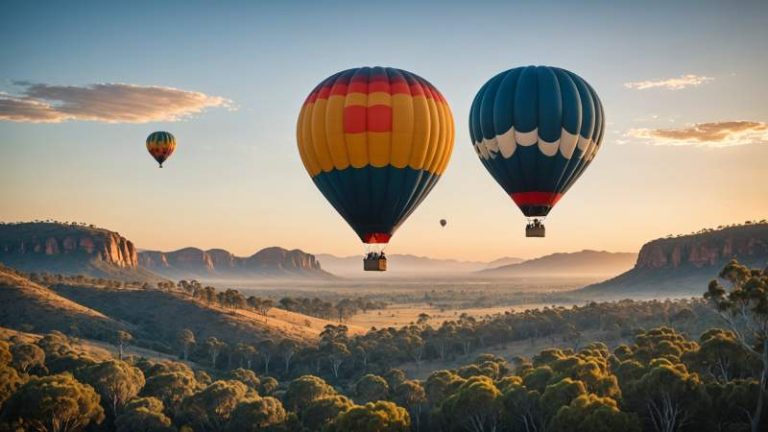
    Hot Air Balloon Flight Day is observed annually on 11 August to commemorate the first successful flight by the Montgolfier brothers in August 1783. The day recognises the skill and professionalism required by balloon pilots, with events focusing on balloon preparation, safety checks, and passenger comfort. Ballooning offers a tranquil experience, providing unique views and a sense of peaceful movement above the landscape. In Australia, balloon pilots must be licensed with a minimum of 16 flight hours, and there are about 100 commercial operators.

  • World Mosquito Day

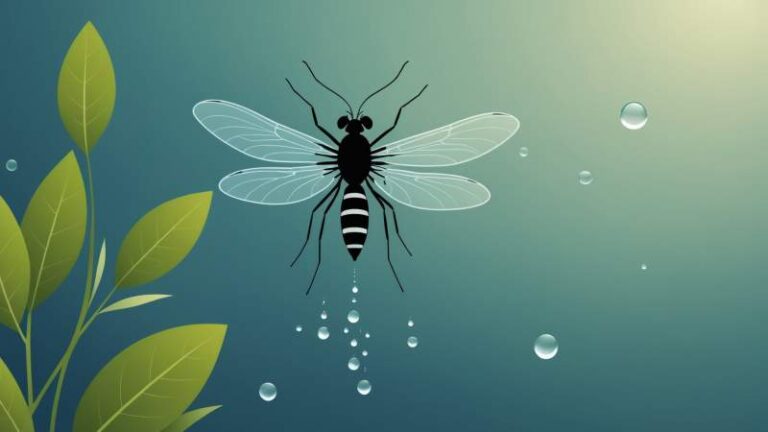
    World Mosquito Day is observed annually on 20 August to raise awareness about malaria and other mosquito-borne diseases. It was established by Sir Ronald Ross, who discovered that female Anopheles mosquitoes transmit malaria. Malaria affects millions globally, with significant health impacts, especially in tropical regions. Mosquitoes are vectors for several diseases, and efforts continue to improve prevention and control. The day emphasises public education on disease risks and protective measures.

  • World Plant Milk Day

    World Plant Milk Day is celebrated every year on 22 August to raise awareness about plant-based milk alternatives. Established in 2017 by vegan educator and environmental advocate Robbie Lockie, the day highlights the diversity of non-dairy milks and encourages people to consider plant-based options regardless of diet or lactose intolerance. Plant milks, made from grains, nuts, seeds, and legumes, offer an environmentally friendly alternative to animal milk. The day also promotes the ethical and ecological benefits of choosing plant-based milk.

  • Tree Climbing Day

    Tree Climbing Day is an unofficial annual event observed on 25 August that encourages people of all ages to engage in tree climbing as a form of physical activity. The celebration promotes spending time outdoors, strengthening muscles, and improving coordination and balance. It also fosters social connections by bringing together family, friends, and like-minded individuals. The event reflects childhood memories of outdoor play and exploration, while Australian research highlights its benefits for understanding physics and biology.