
Author: ausdays

  • Palm Sunday

    Palm Sunday marks Jesus’ entry into Jerusalem, where crowds welcomed him with palm branches as a symbol of peace. This event initiates Holy Week, leading to Jesus’ crucifixion and resurrection. In Australia, Palm Sunday is observed with special church services featuring palm branches, hymns, and Bible readings. Children have participated in these celebrations for over 1600 years, often carrying handmade palms and engaging in songs or readings. Australian churches commonly use local palm branches instead of willow due to availability.

  • Bipolar Disorder Awareness Day

    Bipolar Disorder Awareness Day is observed annually on 30 March to increase understanding and reduce stigma associated with bipolar disorder. This mental health condition involves alternating manic or hypomanic and depressive episodes, with internal factors influencing its course. Approximately 46 million people worldwide live with bipolar disorder, including around 280,000 Australians. The day honours the birthday of Vincent Van Gogh, who is believed to have had bipolar disorder. Support from healthcare professionals and community is essential for managing the condition and improving quality of life.

  • April Fools' Day Australia

    April Fools’ Day in Australia is marked by the laughter of the kookaburra bird and playful pranks among residents. The tradition includes giving humorous gifts and conducting jokes before midday, a practice common in Australia, the UK, Canada, and New Zealand. Australian media actively participate in these pranks, with notable examples including a 1999 radio announcement about Sydney losing the 2000 Olympics and a 2004 newspaper article on driver’s licences for restaurant staff. These events highlight the cultural significance and widespread engagement with April Fools’ Day in Australia.

  • International Fact-Checking Day

    International Fact-Checking Day is observed annually on 2 April to raise awareness about the importance of verifying information. Established in 2016 and first celebrated in 2017, the day highlights the role of professional fact-checkers in protecting the public from misinformation. The event is coordinated by the International Fact-Checking Network of the Poynter Institute, which unites fact-checkers globally. It emphasises that everyone should contribute to exposing false information to maintain a healthy information ecosystem.

  • World Aquatic Animals Day

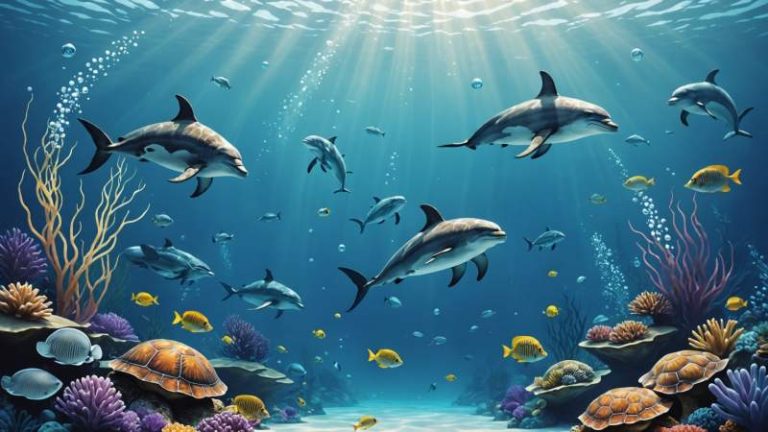
    World Aquatic Animals Day is observed annually on 3 April to raise awareness about the challenges faced by aquatic species in marine and freshwater environments. Initiated by the Lewis & Clark College Law School in Portland, the day focuses on issues such as pollution, plastic waste, and overfishing that threaten aquatic animals. These animals include fish, molluscs, corals, marine mammals, and waterfowl, many of which depend entirely or partially on aquatic habitats. The event promotes global participation and highlights the importance of protecting aquatic ecosystems.

  • Good Friday

    Good Friday is the Friday before Easter Sunday, commemorating the crucifixion of Jesus Christ. It is observed globally by Christians through prayer, fasting, and church services that often include reenactments of Jesus’ final hours. The day marks the culmination of Holy Week and precedes Easter Sunday. In Australia, Good Friday is a public holiday with specific trading restrictions and is observed by various Christian denominations through processions and liturgical ceremonies. The tradition has historical roots dating back to the early Christian church and has evolved over centuries.

  • World Rat Day

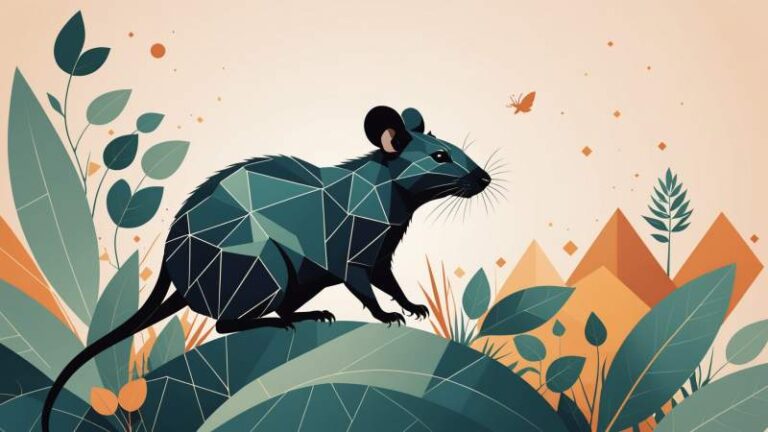
    World Rat Day is celebrated every year on 4 April to highlight the uniqueness of pet rats and unite enthusiasts globally. Established in 2003 by American rat breeders, the date marks the launch of the oldest online resource for pet rats, ratlist. The day aims to dispel misconceptions about rats by showcasing their intelligence, sociability, and importance. In Australia, the event supports conservation programs for native rat species and promotes the activities of local rat enthusiast clubs. Celebrations include festivals, exhibitions, and educational events emphasising the value of rats as companion animals and wildlife.

  • Holy Saturday

    Holy Saturday is the day commemorating Jesus Christ’s time in the tomb and His descent into hell. It serves as a day of quiet reflection and preparation for Easter, the celebration of Christ’s resurrection. In the Catholic tradition, it concludes the Easter Triduum with special liturgies, including the Easter Vigil featuring the lighting of the Paschal candle. In Australia, both Catholic and Orthodox communities observe Holy Saturday with prayers, food blessings, and liturgical services reflecting their respective rites.

  • International Morality Day

    International Morality Day was established by the United Nations General Assembly through Resolution A/RES/73/329 on 25 July 2019. Celebrated annually on 5 April, the day recognises morality as a set of social norms guiding human behaviour and relationships. Rooted in principles such as the Golden Rule, morality underpins respect for human rights and peaceful coexistence. The UN highlights the role of moral values in achieving sustainable development and fostering a culture of peace. This observance aligns with other UN commemorations promoting tolerance, non-violence, and cultural diversity.

  • Australian Easter

    Australian Easter is celebrated according to the Catholic calendar during the autumn season, featuring a four-day public holiday from Good Friday to Easter Monday. The Sydney Royal Easter Show, the largest annual fair in Australia, combines agricultural exhibitions, animal shows, and entertainment. Unique to Australia, the bilby replaces the traditional Easter rabbit as a native symbol, supported by conservation efforts. Easter weekends are popular for family gatherings, school holidays, and outdoor activities such as barbecues and picnics.

  • Waltzing Matilda Day

    Waltzing Matilda Day is observed annually on 6 April in Australia to celebrate the iconic bush ballad known as Waltzing Matilda. The song, written by Banjo Paterson in 1895 with melody by Christina Macpherson, tells the story of a swagman and has become an unofficial national anthem. The day commemorates the song’s cultural importance, including its use in sports, military marches, and media. The Waltzing Matilda Centre in Queensland preserves the song’s history and original manuscripts.

  • International Day of Sport

    The International Day of Sport for Development and Peace is celebrated annually on 6 April, marking the start of the first modern Olympic Games in Athens in 1896. Established by the United Nations General Assembly in 2013, the day highlights sport’s positive impact on human rights, social and economic development. The initiative is supported by countries including Georgia, Kazakhstan, Romania, Serbia, and Macedonia. The day promotes values such as fair play, teamwork, and respect, and encourages global participation in sporting and educational activities. The International Paralympic Committee also plays a key role in showcasing achievements of athletes with disabilities.

  • Easter Monday

    Easter Monday is the first Monday following Easter Sunday, marking the day after the resurrection of Jesus Christ. It is observed as a Christian holiday with traditions such as egg rolling and water sprinkling, especially in Central and Eastern Europe. In Australia, Easter Monday is a national public holiday and part of the extended Easter weekend, featuring major sporting events like Australian football and rugby matches. The day is also popular for family outings, picnics, and domestic tourism during school holidays.

  • World Health Day

    World Health Day is celebrated every year on 7 April, marking the founding of the World Health Organization in 1948. The day focuses on raising awareness about global health challenges and promoting universal access to quality healthcare. Each year features a specific theme addressing critical health issues, such as maternal and infant mortality, environmental health risks, and healthcare workforce shortages. The campaign encourages collaborative efforts to improve health outcomes worldwide, including in Australia where the day supports patient rights and addresses rural healthcare shortages.

  • Draw a Bird Day

    Draw a Bird Day began in the 1940s in the United Kingdom, inspired by a young girl named Dory Cooper who encouraged wounded soldiers to draw birds to lift their spirits. The event honours her memory and promotes joy by inviting people worldwide to create and share bird drawings. Initially limited to pencil sketches, the celebration now embraces various artistic tools and digital media. Observed annually on 8 April, Draw a Bird Day is marked by activities such as drawing competitions in Australian schools and community events organised by libraries.

  • International ASMR Day

    International ASMR Day is observed annually on 9 April to increase awareness of Autonomous Sensory Meridian Response (ASMR), a pleasant tingling sensation often starting at the scalp and moving down the spine. The term ASMR was coined in 2010 to describe this sensory phenomenon, which is triggered by specific sounds and visual stimuli. Since 2012, content creators and fans worldwide, including those in Australia, participate by sharing ASMR videos and experiences. ASMR is recognised for its calming effects and is used by many to reduce stress and improve sleep.

  • Salvation Army Founder Day

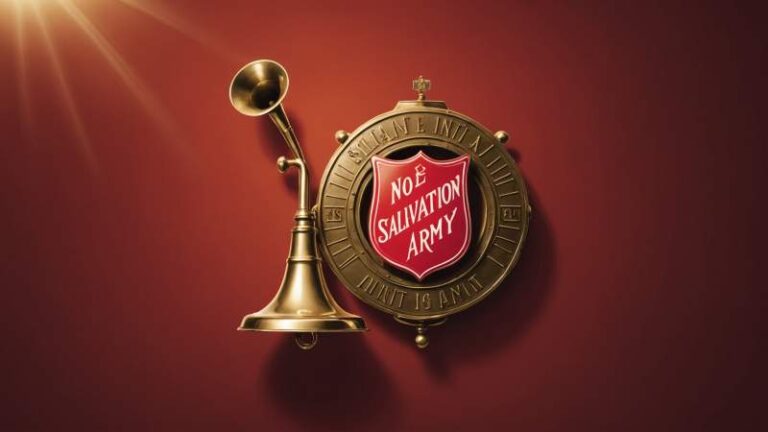
    Salvation Army Founder Day is observed on 10 April across all Salvation Army branches globally. The Salvation Army, established by William Booth in 1865, is an international Christian charitable organisation operating in 132 countries. It provides emergency response and social services without discrimination. William Booth, born on 10 April 1829 in Nottingham, UK, aimed to reach those neglected by traditional churches through practical aid and evangelism. The organisation expanded rapidly from London to countries including Australia, where it began work in 1880.

  • National Pet Day

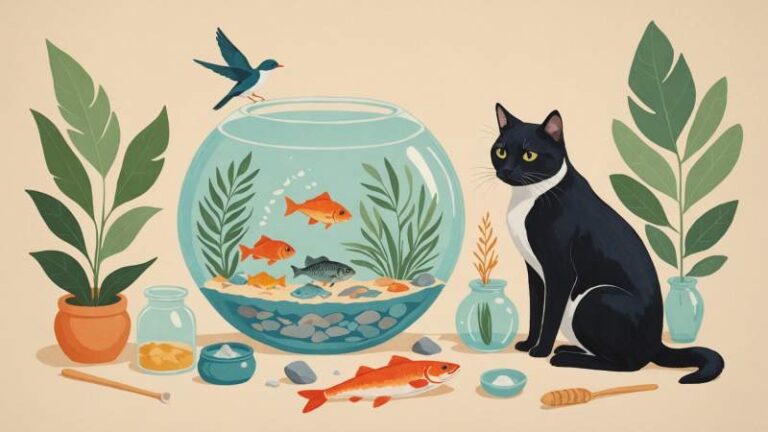
    National Pet Day, observed on 11 April, was founded by Colleen Paige in 2006 to celebrate the joy pets bring and to raise awareness about animal shelter needs. Research shows pets improve cardiovascular health and reduce stress indicators like cortisol and blood pressure. The day promotes adoption with the motto ‘Don’t shop! Adopt!’ and is celebrated in countries including Australia, where RSPCA supports pet adoption. Popular pets include dogs and cats, with millions finding homes annually despite shelter challenges.

  • World Hamster Day

    World Hamster Day is celebrated every 12 April to recognise hamsters, small rodents belonging to the subfamily Cricetinae. There are nineteen species of hamsters, with four commonly kept as pets: the golden hamster, Campbell’s dwarf hamster, Roborovski hamster, and winter white dwarf hamster. Syrian hamsters, originating from a single litter caught in 1930, are solitary and territorial animals. Proper care for hamsters includes suitable housing, diet, and enrichment to meet their specific needs. The day encourages responsible pet ownership and support for animal rescue organisations.

  • World Rock-n-Roll Day

    World Rock-n-Roll Day is observed annually on 13 April, commemorating the 1954 recording of Bill Haley’s single Rock Around The Clock. This track became a landmark in the emergence of rock music, blending rhythm and blues with country influences. The genre quickly spread beyond the United States, influencing global music culture. In Australia, the day is celebrated with festivals, retro parties, and dance events that honour the origins and evolution of rock-n-roll.

  • World Quantum Day

    World Quantum Day is observed annually on 14 April to enhance public awareness of quantum science and its technological applications. The day commemorates the foundational work of Max Planck and other pioneers in quantum mechanics, which revolutionised physics in the early 20th century. Events worldwide, including lectures, lab tours, and discussions, highlight how quantum physics underpins modern scientific progress. The initiative encourages global participation from scientists, educators, and institutions to engage society in quantum science.