
• International ASMR Day

    International ASMR Day is observed annually on 9 April to increase awareness of Autonomous Sensory Meridian Response (ASMR), a pleasant tingling sensation often starting at the scalp and moving down the spine. The term ASMR was coined in 2010 to describe this sensory phenomenon, which is triggered by specific sounds and visual stimuli. Since 2012, content creators and fans worldwide, including those in Australia, participate by sharing ASMR videos and experiences. ASMR is recognised for its calming effects and is used by many to reduce stress and improve sleep.

  • Salvation Army Founder Day

    Salvation Army Founder Day is observed on 10 April across all Salvation Army branches globally. The Salvation Army, established by William Booth in 1865, is an international Christian charitable organisation operating in 132 countries. It provides emergency response and social services without discrimination. William Booth, born on 10 April 1829 in Nottingham, UK, aimed to reach those neglected by traditional churches through practical aid and evangelism. The organisation expanded rapidly from London to countries including Australia, where it began work in 1880.

  • National Pet Day

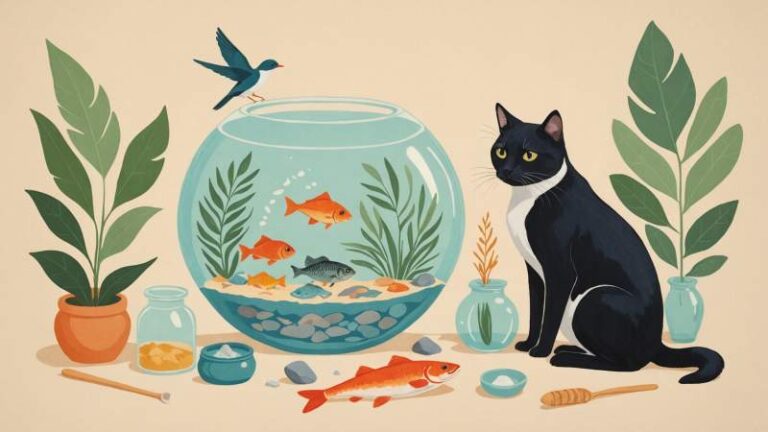
    National Pet Day, observed on 11 April, was founded by Colleen Paige in 2006 to celebrate the joy pets bring and to raise awareness about animal shelter needs. Research shows pets improve cardiovascular health and reduce stress indicators like cortisol and blood pressure. The day promotes adoption with the motto ‘Don’t shop! Adopt!’ and is celebrated in countries including Australia, where RSPCA supports pet adoption. Popular pets include dogs and cats, with millions finding homes annually despite shelter challenges.

  • World Hamster Day

    World Hamster Day is celebrated every 12 April to recognise hamsters, small rodents belonging to the subfamily Cricetinae. There are nineteen species of hamsters, with four commonly kept as pets: the golden hamster, Campbell’s dwarf hamster, Roborovski hamster, and winter white dwarf hamster. Syrian hamsters, originating from a single litter caught in 1930, are solitary and territorial animals. Proper care for hamsters includes suitable housing, diet, and enrichment to meet their specific needs. The day encourages responsible pet ownership and support for animal rescue organisations.

  • World Rock-n-Roll Day

    World Rock-n-Roll Day is observed annually on 13 April, commemorating the 1954 recording of Bill Haley’s single Rock Around The Clock. This track became a landmark in the emergence of rock music, blending rhythm and blues with country influences. The genre quickly spread beyond the United States, influencing global music culture. In Australia, the day is celebrated with festivals, retro parties, and dance events that honour the origins and evolution of rock-n-roll.

  • World Quantum Day

    World Quantum Day is observed annually on 14 April to enhance public awareness of quantum science and its technological applications. The day commemorates the foundational work of Max Planck and other pioneers in quantum mechanics, which revolutionised physics in the early 20th century. Events worldwide, including lectures, lab tours, and discussions, highlight how quantum physics underpins modern scientific progress. The initiative encourages global participation from scientists, educators, and institutions to engage society in quantum science.

  • Youth Homelessness Awareness Day

    Youth Homelessness Awareness Day is observed annually on the third Wednesday of April as a national campaign led by the National Youth Coalition for Housing. It aims to raise awareness and encourage public discussion about homelessness among young Australians aged 12 to 24. Over 20,000 young people experience homelessness on any given night, often hidden in shelters, with friends, or in vehicles. Key causes include housing overcrowding, family conflict, and domestic violence. The campaign highlights the challenges faced by homeless youth, including mental health issues, substance abuse, and limited access to support services.

  • Leonardo da Vinci Birthday

    Leonardo da Vinci was born on 15 April 1452 near Vinci, Italy, to a notary and a peasant woman. He was a multifaceted genius known for his work as an artist, inventor, and engineer. Despite lacking formal education, he studied under Andrea del Verrocchio and joined the Florentine painters’ guild. His notable works include The Last Supper and the Mona Lisa. Leonardo’s legacy continues through exhibitions and educational programs, including those held in Australia.

  • Charlie Chaplin Day

    Charlie Chaplin Day is observed on 16 April, commemorating the birth of one of cinema’s most influential figures. Born in London in 1889, Chaplin was an actor, director, screenwriter, and composer whose career spanned over 75 years. He is best known for his character, the Little Tramp, featured in films like “City Lights.” Chaplin co-founded United Artists in 1918 and received multiple honorary Oscars recognising his contribution to film as an art form. The day is marked worldwide with film screenings, exhibitions, and events celebrating his legacy.

  • International Bat Awareness Day

    International Bat Awareness Day is observed annually on 17 April to raise awareness about the ecological importance of bats and to dispel negative stereotypes. Bats belong to the mammalian order Chiroptera, the second largest after rodents, and are the only mammals capable of true flight. With around 1400 species worldwide, bats play vital roles in insect control, pollination, and seed dispersal. Many species face threats such as habitat loss, pollution, and collisions with wind turbines, making conservation efforts essential.

  • World Amateur Radio Day

    World Amateur Radio Day is celebrated every 18 April to commemorate the founding of the International Amateur Radio Union in 1925. This union connects radio amateurs from over 160 countries, with more than three million enthusiasts worldwide. The day is marked annually with specific themes such as expanding radio communications and emergency radio use. Amateur radio operators have contributed significantly to technological advancements, including cellular communication and digital modes like AMTOR. In Australia, the Wireless Institute of Australia represents the region, with licensed operators using specific call signs and classifications.

  • International Bicycle Day

    International Bicycle Day is observed annually on 19 April to recognise the significance of bicycles as a mode of transport, sport, and recreation. The first bicycle prototype was created in 1817 by German inventor Karl von Drais, featuring wooden components without pedals. The day promotes cycling through mass rides, competitions, and the opening of new cycling infrastructure. It emphasises health benefits, environmental protection, and social equity associated with sustainable transport. In Australia, events like Sydney Bike Day and government investments in cycling infrastructure support these goals.

  • UN Chinese Language Day

    United Nations Chinese Language Day is observed annually on 20 April to promote multilingualism and cultural diversity. Established in 2010 alongside other UN language days, it honours Cangjie, the legendary founder of Chinese writing. The date coincides with the start of the ‘Guyu’ season, symbolising agricultural abundance. The day features cultural events such as art exhibitions, lectures, and performances, highlighting the importance of the Chinese language globally and within the UN framework.

  • World Creativity and Innovation Day

    World Creativity and Innovation Day is celebrated annually on 21 April to emphasise the importance of creativity and innovation in achieving sustainable development goals. Established by the UN General Assembly in 2017, the day recognises creativity as a driver of economic growth, social inclusion, and environmental preservation. The date connects to Earth Day and Leonardo da Vinci’s birthday, symbolising the link between creativity, science, and the planet. The event encourages governments, science, education, and business sectors to support creative thinking and innovation worldwide.

  • Brazil Discovery Day

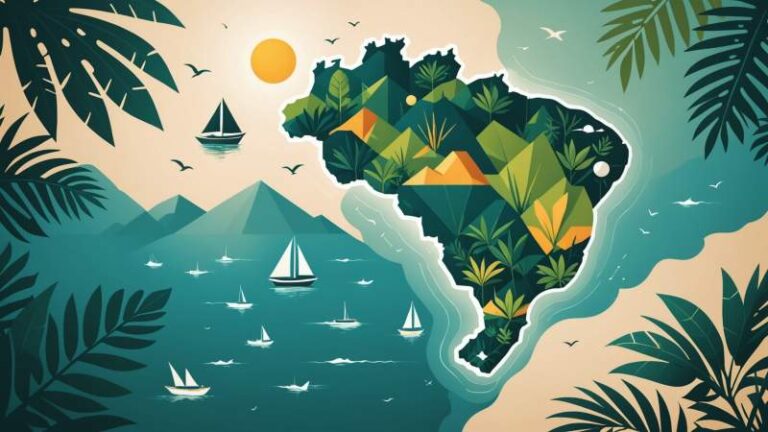
    Brazil Discovery Day is observed on 22 April to commemorate the landing of Pedro Álvares Cabral on the South American coast in 1500. This event marked the beginning of Portuguese colonisation and the establishment of Brazil as a Portuguese territory under the Treaty of Tordesillas. Brazil, the largest country in South America and the only Portuguese-speaking nation on the continent, was initially inhabited by indigenous peoples living semi-nomadic lifestyles. The Portuguese divided the coastline into captaincies and began settlement, which evolved into a colony ruled directly by the Portuguese crown.

  • Earth Day

    Earth Day is celebrated globally on 22 April each year to increase awareness of environmental issues and support conservation efforts. The first Earth Day took place in the United States in 1970, involving 20 million participants. It was inspired by environmental concerns raised in the 1960s, including Rachel Carson’s book Silent Spring and major pollution events. Since then, Earth Day has grown into a worldwide movement with over a billion participants and has influenced significant environmental legislation. Australia actively participates in Earth Day, with a history of environmental activism dating back to the 1960s.

  • UN English Language Day

    United Nations English Language Day is observed annually on 23 April to celebrate the English language and its cultural heritage. The date coincides with the birth and death of William Shakespeare, a pivotal figure in English literature. Established in 2010 by the UN Department of Public Information, the day aims to promote multilingualism and cultural diversity. English is one of the six official languages of the United Nations and serves as a working language of the Secretariat. Events include round tables, conferences, exhibitions, and language lessons to engage participants worldwide.

  • Take Our Daughters and Sons to Work Day

    Take Our Daughters and Sons to Work Day is a non-profit educational program encouraging parents to bring their children to the workplace for a day. Originating in the United States in 1993, the event expanded in 2003 to include boys alongside girls. It is observed annually on the fourth Thursday of April in Australia, the US, and Canada. Australian companies use the day to introduce children to workplace safety and various career paths, often organising tailored events in major cities. The program also supports community inclusion by recommending participation from children in local shelters.

  • Kapyong Battle Day

    Kapyong Battle Day commemorates the pivotal battle during the Korean War where United Nations forces, primarily Canadian and Australian troops, achieved a decisive victory against Chinese forces. The battle took place in the Kapyong Valley, blocking a major Chinese offensive aimed at capturing Seoul. Despite being outnumbered, the 27th Commonwealth Infantry Brigade, including key Canadian and Australian battalions, held their positions and inflicted heavy losses on the enemy. This victory prevented a breakthrough on the central front and is remembered as a significant military achievement for both Canada and Australia.

  • ANZAC Day

    ANZAC Day is observed annually on 25 April in Australia and New Zealand to honour the Australian and New Zealand Army Corps (ANZAC) soldiers. The day commemorates the landing at Gallipoli in 1915, where ANZAC troops faced heavy resistance and suffered significant casualties. Initially dedicated to those who died in the First World War, the day now honours all soldiers who have served in conflicts involving Australia and New Zealand. Traditional ceremonies include church services, veteran marches, and wreath-laying at war memorials.

  • International Flamingo Day

    International Flamingo Day is observed annually on 26 April to promote awareness and conservation of the six flamingo species worldwide. Established in 2020 by the Flamingo Specialist Group, the day honours the birthday of John James Audubon, who illustrated the red flamingo in his book ‘Birds of America’. The celebration highlights the differences among flamingo species, their habitats, and the importance of wetland conservation. Flamingos belong to the family Phoenicopteridae, comprising three genera and six species native to the Americas and Afro-Eurasia. The day also emphasises the role of global networks and organisations in protecting these iconic birds.