Author: ausdays

  • World Mosquito Day

    World Mosquito Day is observed annually on 20 August to raise awareness about malaria and other mosquito-borne diseases. It was established by Sir Ronald Ross, who discovered that female Anopheles mosquitoes transmit malaria. Malaria affects millions globally, with significant health impacts, especially in tropical regions. Mosquitoes are vectors for several diseases, and efforts continue to improve prevention and control. The day emphasises public education on disease risks and protective measures.


  • No Makeup Day

    No Makeup Day is observed annually on 21 August to promote the appreciation of natural beauty and challenge prevailing social and media beauty standards. The day encourages individuals to take a break from daily cosmetic use, fostering self-acceptance and inner confidence. In Australia, initiatives such as the ‘No Makeup Selfie’ campaign and media discussions have supported this movement. Research highlights the pressures young women face regarding appearance, linking makeup use to anxiety and self-esteem issues. The trend towards minimal makeup and skin health is increasingly recognised across Australian society.

  • World Plant Milk Day

    World Plant Milk Day is celebrated every year on 22 August to raise awareness about plant-based milk alternatives. Established in 2017 by vegan educator and environmental advocate Robbie Lockie, the day highlights the diversity of non-dairy milks and encourages people to consider plant-based options regardless of diet or lactose intolerance. Plant milks, made from grains, nuts, seeds, and legumes, offer an environmentally friendly alternative to animal milk. The day also promotes the ethical and ecological benefits of choosing plant-based milk.

  • Love Hug Day

    Love Hug Day is observed annually on 23 August to recognise the importance of hugs in expressing love, care, and support. Hugs release oxytocin, which improves mood, reduces stress, and enhances partner sensitivity. They also promote trust, calmness, and a sense of security. Initiatives like the Free Hugs Campaign, started in Sydney in 2004, have popularised hugs as a form of social connection worldwide. Australian organisations and psychological services acknowledge hugs as vital for emotional wellbeing and relationship support.

  • Saint Bartholomew Day

    Saint Bartholomew Day is observed on 24 August by the Catholic Church to honour one of Jesus Christ’s twelve apostles. Known originally as Nathanael, he undertook missionary work in India and Armenia, where he was recognised for spreading Christianity and healing. According to tradition, he suffered martyrdom and his relics are kept on the island of Lipari. The day is marked by religious services, cultural events, and community gatherings, reflecting both historical reverence and local customs.

  • Tree Climbing Day

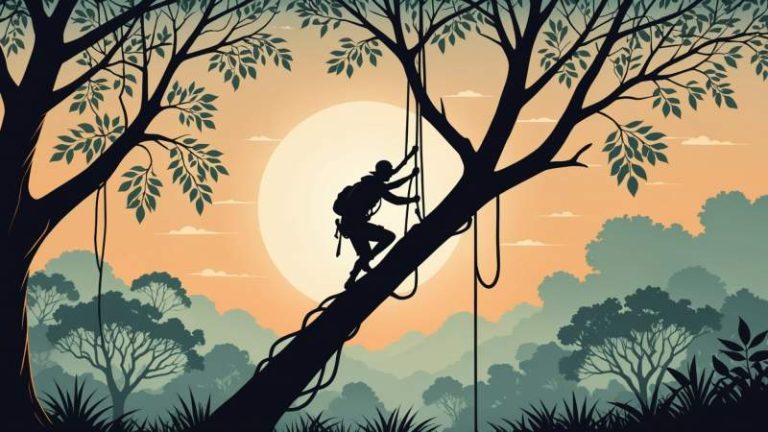
    Tree Climbing Day is an unofficial annual event observed on 25 August that encourages people of all ages to engage in tree climbing as a form of physical activity. The celebration promotes spending time outdoors, strengthening muscles, and improving coordination and balance. It also fosters social connections by bringing together family, friends, and like-minded individuals. The event reflects childhood memories of outdoor play and exploration, while Australian research highlights its benefits for understanding physics and biology.

  • Musical Yoga Day

    Musical Yoga Day is observed annually on 26 August in many countries, highlighting the combination of music and yoga to enhance meditation and physical practice. Music supports deeper relaxation and balance during yoga, resonating with both body and mind. This day reflects the growing interest in blending traditional wellness methods with musical elements. In Australia, various yoga studios incorporate live music and sound therapy into their sessions, enriching the overall experience. The celebration emphasises the importance of sound vibrations as a tool for achieving inner harmony.

  • World Lakes Day

    World Lakes Day is observed annually on 27 August following a United Nations resolution adopted in 2024. Lakes are natural inland water bodies vital for freshwater supply, biodiversity, and climate regulation. Covering nearly 4% of Earth’s surface, lakes support ecosystems and economies worldwide. The day promotes awareness and action for the conservation, restoration, and sustainable use of lake environments. Australia, with around 12,000 lakes including Lake Eyre, participates in these efforts through government programs and regional events.

  • Red Wine Day

    Red Wine Day is observed annually on 28 August to honour one of the world’s oldest and most popular beverages. Red wine has a rich history dating back to ancient Rome, Egypt, and Greece, where it symbolised social status and cultural traditions. Produced globally from dark grape varieties, red wine contains antioxidants, polyphenols, and minerals beneficial to health when consumed moderately. Australia, a leading producer, is known for its Shiraz and Cabernet Sauvignon wines, celebrated during festivals like the Barossa Vintage Festival. Enotherapy, the therapeutic use of red wine, is also practised in Australian wellness programs.

  • Lemon Juice Day

    Lemon Juice Day is observed annually on 29 August to recognise the diverse uses and benefits of lemon juice. Extracted from lemon pulp, lemon juice is rich in vitamins and antioxidants that support immunity, digestion, and skin health. In Australia, lemon juice features in traditional recipes like lemon meringue pie and is widely used in beverages made from local citrus fruits. While lemon juice offers many health advantages, its acidity requires cautious consumption to protect dental enamel.

  • Frankenstein Day

    Frankenstein Day is observed annually on 30 August to celebrate Mary Shelley’s influential gothic novel, ‘Frankenstein; or, The Modern Prometheus’. The novel, first published anonymously in 1818 and later under Shelley’s name, is regarded as a defining work of gothic literature and an early example of science fiction. Mary Shelley, daughter of William Godwin and Mary Wollstonecraft, created the story during a summer near Geneva with notable literary figures. In Australia, the novel is part of school curricula and inspires cultural events, theatrical performances, and ethical discussions on science and technology.

  • Social Justice Sunday

    Social Justice Sunday is observed annually on the last Sunday of August by the Catholic Church in Australia. Since 1940, Australian Catholic bishops have issued Social Justice Statements to encourage reflection and action on social issues. The Australian Catholic Social Justice Council, established in 1987, supports these efforts through education, advocacy, and research. The event recognises individuals and organisations dedicated to social and ecological justice. It also highlights the Church’s commitment to human dignity, solidarity, and subsidiarity within Australian society.

  • Global Distance Learning Day

    Global Distance Learning Day, observed on 31 August, recognises the development and significance of remote education worldwide. Distance learning encompasses fully online and hybrid models, offering flexibility and cost-effectiveness. Its origins trace back to 18th-century correspondence courses, evolving through innovations like the Open University and internet-based education. Australian institutions have played a key role, with initiatives such as Schools of the Air and early adoption of online programs. The day promotes awareness of remote learning resources and celebrates advancements in the field.

  • Blog Day

    Blog Day, observed on 31 August, was established in 2005 to encourage bloggers to explore and share diverse perspectives by reviewing five different blogs outside their usual interests. The event promotes international connections and cultural exchange within the blogging community. It inspired the Best of Blogs competition in 2007, featuring blogs and podcasts in 14 languages. The blogosphere continues to grow rapidly, with millions of posts published daily and a significant presence in countries like the United States and Australia.

  • Acacia Day Australia

    Acacia Day in Australia is observed annually on 1 September, coinciding with the first day of spring in the Southern Hemisphere. The celebration honours the golden wattle (Acacia pycnantha), Australia’s national floral emblem, officially proclaimed in 1988. The tradition of wearing a sprig of flowering acacia dates back to a 19th-century regatta in Hobart. The day includes various regional events, charitable activities, and encourages Australians to appreciate and plant acacias. The golden wattle symbolises national pride and is featured on the Australian coat of arms and national colours.

  • International Coconut Day

    International Coconut Day is observed on 2 September by major coconut-producing and consuming countries worldwide. Established by the Asia-Pacific Coconut Community, the day aims to raise awareness about the nutritional value and versatility of coconuts while supporting the coconut industry. The coconut palm, native to the Indo-Pacific region, produces coconuts that are used for their water, meat, milk, and oil. Member countries of the Asia-Pacific Coconut Community account for over 90% of global coconut production and export. Australia also contributes to coconut production, particularly in Queensland and northern New South Wales.

  • Indigenous Literacy Day

    Indigenous Literacy Day is an annual campaign held on the first Wednesday of September, organised by the Indigenous Literacy Foundation, a non-profit Australian charity. The Foundation supports remote Aboriginal and Torres Strait Islander communities by providing culturally relevant books and educational resources. The day aims to unite Western and Indigenous concepts of literacy, helping preserve native languages and cultures. It also promotes access to education for children in remote areas and raises awareness nationwide through various community and organisational activities.

  • Australian National Flag Day

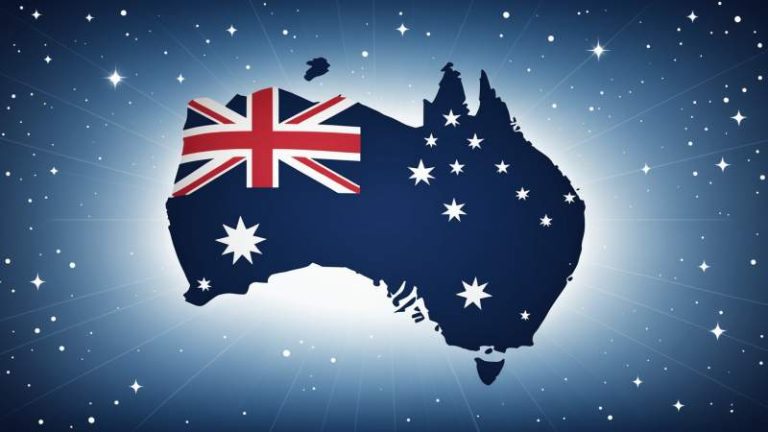
    Australian National Flag Day is observed on 3 September as an official commemorative date, marked by flag-raising ceremonies nationwide. The flag features a blue field with the Union Jack, the Commonwealth Star, and the Southern Cross constellation. Its design reflects Australia’s colonial history and federation origins. The day was officially proclaimed in 1996 and is celebrated in schools and government institutions. The flag’s legal status was formalised in 1954 following royal assent.

  • Macadamia Nut Day

    Macadamia Nut Day is observed on 4 September to recognise the native Australian macadamia tree and its edible nuts. Originating from subtropical rainforests in Queensland and New South Wales, macadamias have a rich history dating back to Aboriginal use over a thousand years ago. The nut is valued for its nutritional content and is widely used in culinary and cosmetic products. Australia remains a leading producer alongside South Africa and the United States. Conservation efforts address the vulnerability of wild macadamia populations due to habitat loss.

  • International Charity Day

    International Charity Day is observed annually on 5 September, commemorating the death of Mother Teresa, a renowned figure in charitable work. The day encourages dialogue among diverse cultures and religions and promotes solidarity with those in need. Established by the United Nations General Assembly, the observance highlights the role of charity in eradicating poverty worldwide. Various organisations, including those in Australia, support and recognise this day.

  • Father's Day Australia

    Father’s Day in Australia is celebrated on the first Sunday of September, reflecting a tradition that began in the 20th century alongside Mother’s Day. The holiday honours the role of fathers in child upbringing and personal development. Originating from Sonora Smart Dodd’s initiative in the United States, the day has become a widespread custom. Australians mark the occasion with gifts, family breakfasts, outdoor activities, and community events, strengthening bonds between fathers and children. Although not a public holiday, it is observed with enthusiasm across the country.