
• Unusual Musical Instruments Day

    Unusual Musical Instruments Day, observed on 31 July, celebrates rare and lesser-known musical instruments from around the world. The day highlights a variety of unique instruments such as the didgeridoo, clavichord, and hydraulo-phone, as well as modified traditional instruments. It recognises the rich history of music, including ancient instruments like flutes dating back 40,000 years. The celebration encourages exploration of experimental sounds and cultural traditions associated with these distinctive instruments.


  • School Tree Day

    School Tree Day is a dedicated Australian event for school and preschool children to participate in tree planting activities. Coordinated annually by the non-profit organisation Planet Ark, it takes place on the last Friday of July as part of National Tree Day. The event aims to teach children about the importance of protecting Australia’s unique native plants, many of which are endemic. Over 3,000 schools and preschools participate each year, contributing to the planting of millions of trees to combat deforestation and environmental challenges.

  • World Scout Neckerchief Day

    World Scout Neckerchief Day is observed annually on 1 August to celebrate the scout neckerchief, an essential part of scout uniform symbolising unity and commitment. The neckerchief varies in colour and design according to region, rank, and organisation, often featuring the scout emblem and motto. Scouts wear it tied with the friendship knot, reflecting their promise to uphold scout values. The day was established in 2007 and is promoted through social media platforms. In Australia, Scouts Australia represents the movement, headquartered in Melbourne and patronised by the Governor-General.

  • Colouring Book Day

    Colouring Book Day is observed annually on 2 August to recognise the significance of colouring books. Originating in the United States in the late 19th century, the first commercially successful colouring book was released by McLoughlin Brothers in 1879. Colouring books come in various formats and designs, serving as tools for creativity, relaxation, and development. In Australia, they are widely used in early education and adult stress relief practices, often featuring local themes and nature motifs.

  • NSW Bank Holiday

    The New South Wales Bank Holiday is an official state public holiday observed on the first Monday of August. Established in 1875, its origins trace back to British legislation from 1871 that mandated bank closures to compensate employees for extra work. The holiday initially provided extended leave specifically for bank staff and has evolved through legislative changes, including amendments in 1912 and 2012. While banks close on this day, it is not a public holiday for all workers. The Reserve Bank of Australia publishes an annual calendar of bank holidays, reflecting variations across states.

  • Northern Territory Picnic Day

    Northern Territory Picnic Day is an annual public holiday observed on the first Monday of August in Australia’s Northern Territory. Originating in the late 1800s, the tradition began with railway and public works employees holding annual picnics by the Adelaide River. The event includes barbecues featuring local foods and cultural displays such as Aboriginal dances and art workshops. The tradition was revived in the 1930s and continues to be celebrated with activities like the Railway Historical Picnic and horse racing at Harts Range.

  • CLOVES Syndrome Awareness Day

    CLOVES Syndrome Awareness Day is observed annually on 3 August to increase understanding of this rare genetic disorder characterised by tissue overgrowth and vascular malformations. The syndrome results from mutations in the PIK3CA gene and is part of the PIK3CA-related overgrowth spectrum (PROS). First described in 1867 and officially recognised in 2007, CLOVES affects approximately 200 people worldwide. Awareness efforts include promoting solidarity through green symbols and supporting research and patient resources. In Australia, specialised clinical services and support schemes assist individuals living with CLOVES and related conditions.

  • National Aboriginal and Torres Strait Islander Children’s Day

    National Aboriginal and Torres Strait Islander Children’s Day is observed annually on 4 August in Australia. Established in 1988 by SNAICC, it honours the culture, family, and community of Indigenous children. The day also commemorates the ‘Stolen Generations’ and raises awareness of the challenges faced by Aboriginal and Torres Strait Islander children, including access to education and healthcare. It highlights traditional practices such as kupai omasker and promotes recognition of Indigenous voices. Over 600 events are held nationwide to celebrate Indigenous history and culture.

  • Oyster Day

    Oyster Day is observed every year on 5 August to honour oysters, a family of marine bivalve molluscs known for their asymmetrical shells and culinary value. Oysters are popular seafood, consumed raw or cooked, and some species produce pearls. The day features events such as tastings, festivals, and workshops worldwide. In Australia, oyster farming is significant, with species like Sydney rock oyster and Pacific oyster cultivated. Environmental concerns and overharvesting have impacted oyster populations globally.

  • Hiroshima Atomic Bomb Memorial

    Hiroshima Atomic Bomb Memorial Day is observed annually on 6 August to remember the victims of the first nuclear bombing in history. On 6 August 1945, the United States dropped a nuclear bomb named ‘Little Boy’ on Hiroshima during the final stages of World War II. The bombing resulted in over 200,000 deaths and widespread radiation exposure. The day also serves as a global call for the prohibition of nuclear weapons, with Australia actively participating in related educational and commemorative activities. Various Australian organisations support awareness campaigns and international disarmament initiatives.

  • Aged Care Workers Day

    Aged Care Workers Day in Australia is observed on 7 August to honour the contributions of professionals involved in elderly care. This includes workers in aged care homes, hospitals, hospices, and community services. The aged care system, known as Aged Care or Elderly Care, provides both residential and in-home support, subsidised by the government. The day was initiated by the non-profit Whiddon in 2018 and has since gained national support from key aged care organisations. It highlights the vital role of all care workers, especially care assistants, who form the majority of the workforce.

  • Death Awareness Day

    Death Awareness Day, observed annually on 8 August, was established by The Groundswell Project in Australia to encourage open discussions about death and dying. Inspired by Andrew Anastasios’s 2010 book, the day aims to reduce stigma around death and promote planning for end-of-life care. Since its inception in 2013, the day has grown to include hundreds of events, educational seminars, and community gatherings. It supports practical actions such as writing wills and discussing funeral preferences, while also addressing grief and loss. The day fosters acceptance and understanding, helping people live more fully in the present.

  • Indigenous Peoples Day

    The International Day of Indigenous Peoples is observed annually on 9 August, established by the United Nations General Assembly in 1994. It commemorates the first meeting of the Working Group on Indigenous Populations in 1992 and highlights the rights and cultures of indigenous peoples globally. The day aligns with international decades dedicated to indigenous rights and promotes awareness of issues such as education, health, and cultural preservation. Indigenous peoples represent 6% of the global population but face significant challenges including poverty and discrimination. Various initiatives, including declarations and action plans, support their rights and cultural survival.

  • Biodiesel Day

    International Biodiesel Day is observed annually on 10 August to mark the first use of biodiesel fuel in 1893. Biodiesel is produced from plant and animal fats through a transesterification process that improves fuel properties. In Australia, biodiesel production mainly uses canola, waste vegetable oils, and animal fats, regulated under national fuel standards. The fuel is valued for its environmental benefits and is used in various transport and industrial sectors. Australian standards align closely with European norms to ensure quality and stability.

  • Hot Air Balloon Flight Day

    Hot Air Balloon Flight Day is observed annually on 11 August to commemorate the first successful flight by the Montgolfier brothers in August 1783. The day recognises the skill and professionalism required by balloon pilots, with events focusing on balloon preparation, safety checks, and passenger comfort. Ballooning offers a tranquil experience, providing unique views and a sense of peaceful movement above the landscape. In Australia, balloon pilots must be licensed with a minimum of 16 flight hours, and there are about 100 commercial operators.

  • Children's Day

    Children’s Day is celebrated annually on 11 August to promote quality family time with sons and daughters. The event traces its origins to the 1930s in Missouri, where the idea was inspired by a boy seeking recognition. It emphasises shared activities and attention within families, with some businesses offering discounts. Related initiatives include Take Our Daughters and Sons to Work Day, which began in the 1990s and is observed in Australia as an educational program introducing children to various careers.

  • Julienne French Fries Day

    Julienne French Fries Day is observed annually on 12 August to honour the thinly sliced style of French fries known as julienne. This cutting technique, resembling matchsticks, dates back to 19th-century culinary practices. French fries originated in Belgium and have various origin stories including France and Spain. The day highlights the global popularity of fries, including their presence in Australia where they are commonly called chips or hot chips and served in major fast-food chains.

  • International Left-Handers Day

    International Left-Handers Day is observed annually on 13 August to raise awareness about left-handedness and dispel related myths. Left-handers make up approximately 7% to 15% of the global population, with higher prevalence in regions such as South and Southeast Asia, Eastern Europe, and Australia. Historically, left-handers faced discrimination and forced retraining, which caused stress and health issues. The day promotes understanding of the challenges left-handers face, including the predominance of right-handed tools and the importance of supporting natural hand preference, especially in education and workplaces. In Australia, the day is recognised nationally with educational activities and specialised products available for left-handers.

  • World Lizard Day

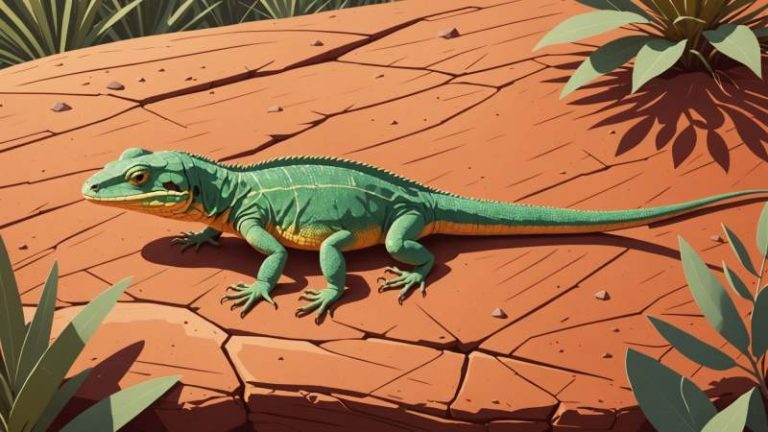
    World Lizard Day is observed annually on 14 August to raise awareness about lizards, their ecological importance, and the threats they face. Established in 2004 by American biologist John Hunter, the day is celebrated by herpetologists, zookeepers, and enthusiasts. Lizards are a diverse group of reptiles with over 7,000 species worldwide, inhabiting all continents except Antarctica. In Australia, more than 700 species exist, including the large Australian monitor and the iconic bearded dragon. The day promotes education and conservation through various events and activities.

  • Bookshop Appreciation Day

    Bookshop Appreciation Day is observed annually on 14 August in Australia. Established by the Australian Booksellers Association, the day recognises the importance of local bookstores and their contribution to public knowledge. It encourages respect for books and promotes reading as both an educational and enjoyable activity. Local bookstores offer unique services such as book rentals and comfortable spaces for reading. Supporting these stores is vital in the era of online shopping.

  • Ameretat and Royal Fire Festival

    The Ameretat and Royal Fire Festival is a Zoroastrian celebration held on 15 August when the Sun enters 23 degrees of Leo. It honours Ameretat, the Amesha Spenta associated with immortality, life, and creativity, and the Royal Fire dedicated to Khvarenah, symbolising divine glory and responsibility. The festival involves lighting 19 fires, rituals of purification, and the release of creative energy. In Australia, a recognised Zoroastrian community observes this festival privately, maintaining traditions in communal centres and fire temples.