
Author: ausdays

  • Elder Abuse Awareness Day

    Elder Abuse Awareness Day is observed annually on 15 June to raise awareness about the mistreatment of older adults. Established by the UN General Assembly in 2011, the day promotes dignity, respect, and solidarity with elderly people. It addresses global issues such as abuse, neglect, and financial exploitation faced by older individuals. In Australia, government initiatives support research and provide resources to combat elder abuse.

  • World Sea Turtle Day

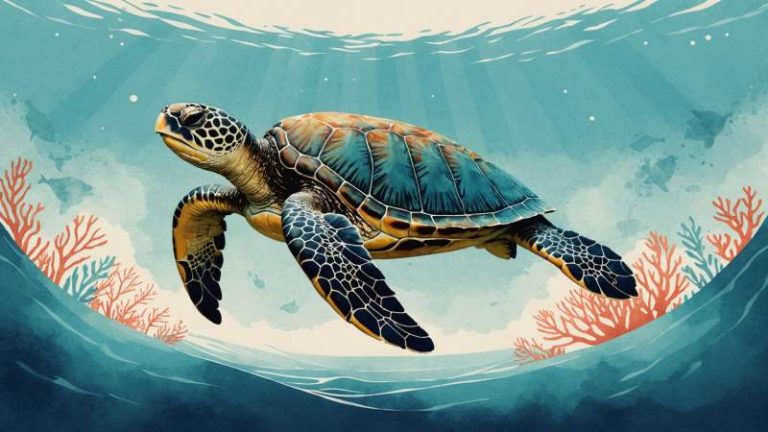
    World Sea Turtle Day is observed annually on 16 June to promote awareness of endangered sea turtle species. Established in 2000, the day honours ecologist Archie Carr, who highlighted threats to sea turtles such as habitat loss and overexploitation. Sea turtles, belonging to the families Cheloniidae and Dermochelyidae, have existed for around 150 million years and inhabit oceans worldwide except polar regions. Major threats include pollution, fishing bycatch, climate change, and illegal trade. Conservation efforts focus on protecting nesting sites and reducing human impacts.

  • World Crocodile Day

    World Crocodile Day is observed annually on 17 June to promote awareness of true crocodiles belonging to the Crocodylidae family. There are 18 species of true crocodiles found across tropical regions of Africa, Asia, Australia, and the Americas. These semi-aquatic predators primarily inhabit freshwater but can also live in brackish or saltwater environments. The day highlights the threats crocodiles face, including habitat loss, fishing, and poaching, and supports conservation efforts globally. In Australia, significant populations of saltwater and freshwater crocodiles benefit from protection and research initiatives.

  • International Sushi Day

    International Sushi Day is observed on 18 June to celebrate the diverse varieties and rich traditions of sushi. Originating from fermented rice, sushi now includes styles such as nigiri and makizushi, with ingredients ranging from seafood to vegetarian options. The day promotes cultural exchange, proper sushi etiquette, and the preservation of traditional recipes. Events often feature specialised menus, workshops, and demonstrations by sushi professionals. The celebration was established in 2009 by American sushi enthusiast Craig Johnson.

  • International Walking Day

    International Walking Day is observed on 19 June to emphasise the importance of walking as a simple and accessible way to reduce stress and improve mental health. Originating in Michigan in the 1970s, the day encourages people to slow down and enjoy nature through leisurely walks. In Australia, walking is promoted as a key strategy for enhancing physical activity and wellbeing, supported by extensive networks of trails and community events. Regular walking has been shown to lower blood pressure, improve sleep, and extend life expectancy.

  • Elephant Protection Day

    International Elephant Protection Day is observed annually on 20 June to raise awareness about the welfare of elephants in captivity. Initiated by the organisation Animal Defence in 2009, the day focuses on the challenges faced by elephants in zoos, including reduced lifespan, stress, and health issues. Supporters of captive care argue zoos protect elephants from poachers and provide essential resources, while critics highlight the negative impacts of captivity such as social isolation and reproductive difficulties. The day aims to promote the rights of captive elephants and encourage the cessation of their confinement in zoos.

  • World Refugee Day

    World Refugee Day is observed annually on 20 June as designated by the United Nations General Assembly in 2001. It commemorates the adoption of the 1951 Refugee Convention, which defines refugee status and rights. The day also honours the Nansen Refugee Award, recognising outstanding service to refugees. The concept of refugees in international law emerged after World War I, with significant developments through the League of Nations and the United Nations. Australia participates in this observance and supports refugees through national programmes aligned with international conventions.

  • Wagyu Day

    National Wagyu Day, observed on 21 June, celebrates the premium Japanese beef known for its exceptional marbling and tenderness. Established in 2022, the day promotes awareness of Wagyu’s strict authentication and breeding processes. Wagyu beef originates from several Japanese cattle breeds, including the prized Tajima strain, which produces Kobe beef. The beef is renowned for its rich flavour, high omega fatty acids, and unique texture. Australian Wagyu, derived from Japanese lines, is farmed in Victoria and New South Wales and exported globally.

  • International Tropical Forests Day

    International Tropical Forests Day is observed annually on 22 June to emphasise the critical role of tropical forests in climate regulation and biodiversity preservation. These forests, characterised by dense, moisture-dependent vegetation, support over half of the world’s terrestrial plant and animal species. Tropical forests also provide essential resources such as medicinal plants and food products, while sustaining indigenous communities with unique cultures. The day promotes global cooperation to address deforestation and protect these vital ecosystems for a sustainable future.

  • Olympic Day

    Olympic Day is observed every year on 23 June to mark the founding of the International Olympic Committee and promote the Olympic Movement. Established in 1948, the day encourages participation in sport worldwide through various events including runs, exhibitions, and educational activities. The celebration honours the legacy of the ancient Greek Olympic Games, which began in 776 BCE and inspired the modern Olympics. It also highlights the values of inclusivity and youth engagement in sport.

  • Swim Around Day

    Swim Around Day is observed every year on 24 June to highlight the enjoyment and benefits of swimming. Swimming offers a unique sensation of weightlessness and serves as an effective way to stay cool without electricity. In Australia, with its extensive coastline and numerous beaches, swimming is a popular activity supported by safety measures and integrated into school programs. The day also emphasises swimming’s role in physical health, social interaction, and family bonding.

  • Smile at Strangers Day

    Smile at Strangers Day is observed annually on 25 June and highlights the universal value of smiling. Smiling stimulates endorphin release, improves mood, and reduces stress and blood pressure. In Australia, smiles are important for cultural exchange, social harmony, and promoting friendliness in diverse communities. Smiling at strangers fosters trust, eases communication, and supports emotional wellbeing. This day encourages sharing smiles to create a more welcoming and tolerant society.

  • World Refrigeration Day

    World Refrigeration Day is observed annually on 26 June to emphasise the importance of refrigeration, air conditioning, and heat pump technologies. The day honours the contributions of pioneers like William Thomson and James Harrison, recognising the development of cooling systems from early ice collection to modern thermodynamic cycles. Established in 2019, the event is supported globally by organisations such as ASHRAE, UNEP, and AIRAH. Each year, the day focuses on different themes related to the refrigeration sector, promoting awareness and innovation.

  • World Fisheries Day

    World Fisheries Day is celebrated annually on 27 June, established in 1985 following the 1984 International Conference on Fisheries Regulation and Development held in Rome. The day honours fishing, one of humanity’s oldest methods of food procurement, encompassing industrial, recreational, and sport fishing. Traditional fishing methods date back to the Middle Palaeolithic era, with ancient hooks found on Okinawa Island dating to around 23,000 years ago. In Australia, fishing is regulated by the Australian Fisheries Management Authority, with notable events such as the Great Barrier Reef Marlin Tournament and conservation measures like barramundi catch quotas.

  • Bookmakers' Day

    Bookmakers’ Day is observed annually on 28 June to acknowledge the contributions of bookmakers to the gambling and entertainment sectors. Bookmakers manage betting activities by assessing event probabilities, setting odds, accepting wagers, and handling payouts. The industry includes traditional and online bookmakers, with significant economic impact in Australia, generating jobs and tax revenue. Regulatory bodies such as the Australian Gambling Research Centre oversee the sector, which also supports sports through sponsorships and promotes responsible gambling practices.

  • Feast of Saints Peter and Paul

    The Feast of Saints Peter and Paul is observed by Western Christians on 29 June, commemorating the apostles who played foundational roles in early Christianity. Peter, originally named Simon, was a fisherman called by Jesus and regarded as the Church’s foundation, receiving the keys to the kingdom of heaven. Paul, formerly Saul, was a Pharisee who converted after a vision and became a leading Christian missionary and writer. Both apostles were martyred in Rome and are honoured for their significant contributions to Christian faith and doctrine.

  • Social Media Day

    Social Media Day is celebrated annually on 30 June to recognise the development and significance of social networks. Originating from early systems like PLATO in the 1960s, social media evolved through various platforms including Friendster, Facebook, and Instagram. These networks serve as vital communication tools and community builders but also present challenges such as mental health concerns and cyberbullying. In Australia, social media plays a crucial role in public discourse, business, and cultural engagement.

  • Tartan Day Australia and New Zealand

    Tartan Day in Australia and New Zealand is celebrated on 1 July to honour tartan as a symbol of Scottish national heritage. The date commemorates the repeal of the 1747 Act of Proscription, which banned tartan wearing. Descendants of Scottish settlers participate in parades, traditional dances, and performances by Scottish orchestras. Scottish immigrants have played a significant role in the history and development of these countries since the late 18th century. The event highlights the enduring cultural connections between Scotland and the Australasian region.

  • International Sports Journalism Day

    International Sports Journalism Day is celebrated annually on 2 July, marking the foundation of the International Sports Press Association (AIPS) in 1924. Established in 1995 by AIPS, the day recognises the role of sports journalism in covering sports, physical culture, and related social events. National associations and AIPS hold formal meetings and award ceremonies to honour outstanding sports media professionals. In Australia, the day is observed by professional organisations and media outlets with special events and awards, highlighting the contributions of Australian sports journalists to both national and international sports coverage.

  • Air Conditioning Appreciation Day

    Air Conditioning Appreciation Day is observed annually on 3 July in some countries to recognise the invention and benefits of air conditioning. The first air conditioner was patented in the United States in 1914, with significant advancements later made by Japanese companies, including Toshiba’s introduction of the split-system air conditioner in 1961. Air conditioning has improved comfort, health, and productivity by regulating indoor temperatures and filtering air. In Australia, air conditioners are essential due to the hot climate, with 90% of households using them.

  • Alice Springs Agricultural Show

    The Alice Springs Agricultural Show is a traditional rural event held annually in July in Central Australia. It promotes agriculture, horticulture, arts, and tourism while providing educational and entertainment experiences for families. Originating in 1960, the show has grown significantly and includes competitions, exhibitions, and unique attractions such as a camel parade and airshow. The event is a regional public holiday and attracts around 15,000 visitors, highlighting the cultural and historical significance of Alice Springs.