Author: ausdays

  • Blondes Day

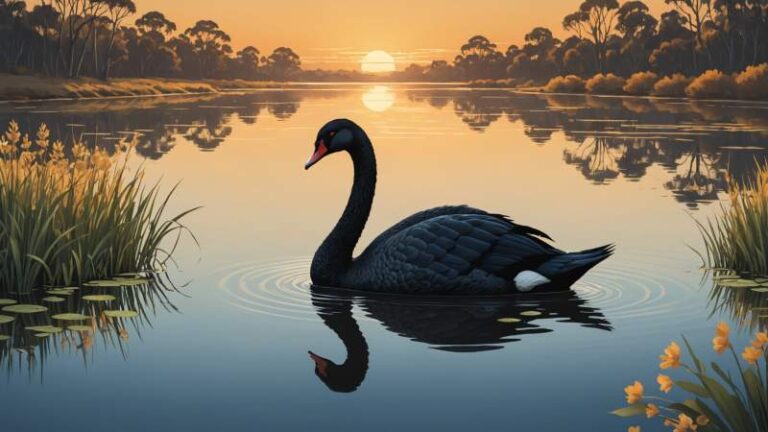
    Blondes Day is observed annually on 31 May, originating from efforts to challenge stereotypes about blondes. The celebration includes parades, contests, and social campaigns, particularly in Australia where it promotes awareness and diversity. The day also features beauty promotions and community events. Scientific studies note a decline in natural blondes globally, with Finland having the highest concentration. The event fosters positive recognition and combats discrimination against people with light hair.


  • World No Tobacco Day

    World No Tobacco Day is an international observance established by the World Health Organization in 1988 to raise awareness about the health risks of tobacco use. It is held annually on 31 May and forms part of seven health-related days promoted by WHO. Tobacco use is the leading preventable cause of death globally, contributing to over 8 million deaths each year, including those from secondhand smoke. The day focuses on educating the public about tobacco’s harms and encouraging effective tobacco control policies. Australia has implemented some of the strictest tobacco regulations, including plain packaging laws and bans on tobacco advertising.

  • Trinity Sunday

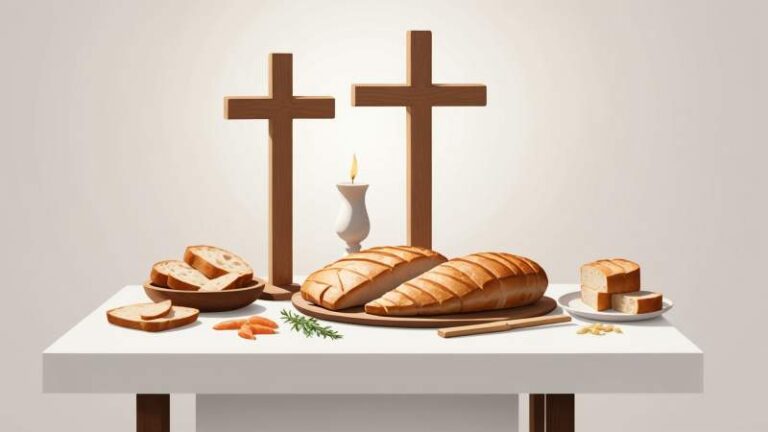
    Trinity Sunday is a significant feast in Western Christianity, celebrated on the Sunday following Pentecost. It honours the Christian doctrine of the unity of God in three Persons: the Father, the Son, and the Holy Spirit. The day holds the highest liturgical rank in the Roman calendar and is marked by priests wearing white vestments. Observed by Roman Catholic, Anglican, Lutheran, Presbyterian, Methodist, and many Baptist churches, the celebration includes traditional trinitarian gospel readings and catechesis on the doctrine of the Trinity.

  • Western Australia Day

    Western Australia Day is an official public holiday observed on the first Monday in June in the state of Western Australia. It commemorates the founding of the Swan River Colony in 1829 by Captain James Stirling. The holiday was formerly known as Foundation Day and replaced the official birthday of the Queen in Western Australia. The day honours the diverse population of the state, including Indigenous peoples, descendants of settlers, and immigrants. Celebrations include ceremonies, awards, and a formal ball at the Government House.

  • Coral Reef Awareness Day

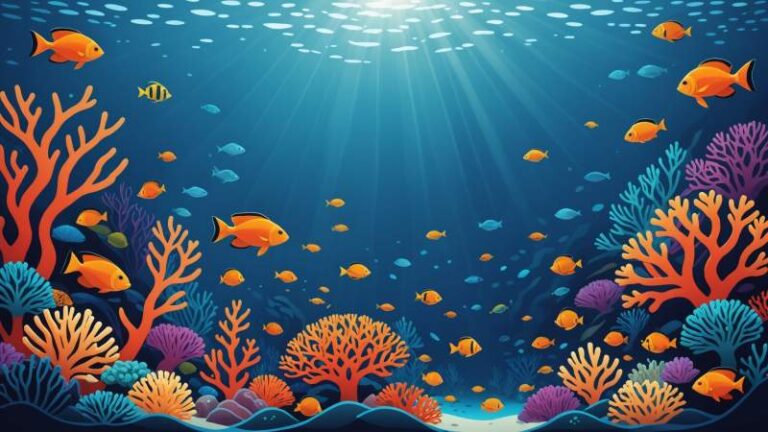
    Coral Reef Awareness Day, observed on 1 June, aims to raise awareness about the fragile ecosystems of coral reefs. These reefs have existed for hundreds of millions of years, surviving multiple extinction events. The Great Barrier Reef, discovered by Captain James Cook in 1770, is a key example of these ecosystems and faces threats from bleaching, climate change, and pollution. Conservation efforts include strict regulations, educational programs, and significant government investment to protect and restore reef health.

  • International Children's Protection Day

    International Children’s Protection Day is observed annually on 1 June to raise awareness about child welfare and protection. Established officially in 1949 by the International Democratic Federation of Women, the day originated from concerns about disadvantaged children after World War II. The celebration includes various activities such as contests, workshops, and special programs for children worldwide. Many countries participate in this observance, which often coincides with national children’s days. In Australia, child protection efforts are supported through dedicated programs, legislation, and educational initiatives.

  • National Rotisserie Chicken Day

    National Rotisserie Chicken Day is observed annually on 2 June, recognising the tradition of cooking whole chickens on a rotating spit. This method, dating back to medieval times, ensures even cooking and tender meat. The day was established by Boston Market in the USA and has since gained popularity in countries like Peru and Australia. In Peru, the dish known as pollo a la brasa is a national favourite, while in Australia, the day is celebrated with barbecues and supermarket promotions. Rotisserie chicken remains an affordable and versatile meal option worldwide.

  • Mabo Day

    Mabo Day is observed annually on 3 June in Australia, officially recognised as a public holiday only in Queensland. It commemorates the 1992 High Court decision that overturned the concept of terra nullius, which had justified British colonisation. The day honours Eddie Koiki Mabo, a Torres Strait Islander whose campaign led to this landmark ruling. The decision granted Indigenous Australians recognition of their traditional laws and land ownership rights. Efforts have been made to establish Mabo Day as a national holiday, reflecting its significance in Australian history.

  • International Day for Innocent Children Victims

    The International Day for Innocent Children Victims of Aggression is observed annually on 4 June, marking the anniversary of the first Israeli air raid on Beirut in 1982. Established by the UN General Assembly, the day draws attention to the suffering of children in armed conflicts worldwide. It highlights common violations such as recruitment, killings, sexual violence, and attacks on schools and hospitals. The day reaffirms international commitments, including the Convention on the Rights of the Child and the Rome Statute, to protect children and promote their reintegration into society.

  • World Environment Day

    World Environment Day is an annual event established by the United Nations in 1972 to raise global awareness about environmental issues and encourage political and social action. Celebrated on 5 June, the date marks the start of the 1972 Stockholm Conference on the Human Environment. The day highlights critical challenges such as ecosystem degradation, climate change, and pollution, urging societies to adopt sustainable and inclusive approaches. Activities worldwide include tree planting, clean-ups, and advocacy campaigns, with Australia playing a significant role in hosting events focused on land and soil restoration.

  • Queensland Day

    Queensland Day is observed annually on 6 June to commemorate the official establishment of Queensland as a separate colony from New South Wales in 1859. The day honours the state’s rich cultural and historical heritage, recognising its development and independence. Queensland, located in north-eastern Australia with Brisbane as its capital, was named in honour of Queen Victoria. The day also features cultural events and the Queensland Greats Awards, celebrating significant contributions to the state.

  • Chocolate Ice Cream Day

    Chocolate Ice Cream Day is celebrated annually on 7 June, recognising one of the world’s most popular desserts. Originating in Europe in the early nineteenth century, chocolate ice cream gained popularity with advancements in technology and ingredient availability. Key ingredients include milk, cream, sugar, eggs, and quality cocoa or dark chocolate. In Australia, chocolate ice cream ranks second in popularity after vanilla, with major brands like Streets Magnum and Peters Chocolate widely enjoyed.

  • King's Official Birthday Australia

    The King’s Official Birthday is a public holiday in Australia celebrated on the second Monday in June, except in Western Australia and Queensland where dates differ. Established in 1788 by Governor Arthur Phillip, the holiday includes ceremonies, military parades, and cultural events. It marks the official birthday of the British monarch, with closures of government and educational institutions. The celebration features award ceremonies and fireworks, coinciding with the start of the ski season in June.

  • Bounty Day Norfolk Island

    Bounty Day is an official public holiday on Norfolk Island celebrated annually on 8 June. It commemorates the 1856 arrival of Pitcairn Islanders aboard the ship Morayshire, descendants of the Bounty mutineers and Tahitian women. The day honours the mutiny on HMS Bounty and the subsequent settlement of the Pitcairn community on Norfolk Island, which was granted to them by Queen Victoria. Celebrations include reenactments, wreath-laying, parades, hymns, and traditional picnics. The event reflects the island’s unique cultural heritage and historical ties to the British Empire and Australia.

  • Apostles' Fast

    The Apostles’ Fast, also known as the Peter’s Fast, is a multi-day Orthodox fast beginning on the Monday after Pentecost and concluding on 11 July, the eve of Saints Peter and Paul day. It commemorates the fasting of the apostles Peter and Paul in preparation for their evangelical mission. The fast varies in length from 8 to 42 days depending on the date of Easter and includes specific dietary rules for different days of the week. Orthodox communities in Australia, including Russian, Greek, Serbian, and Antiochian jurisdictions, observe this fast according to their liturgical calendars and celebrate the feast day with special services and processions.

  • National Meal Prep Day

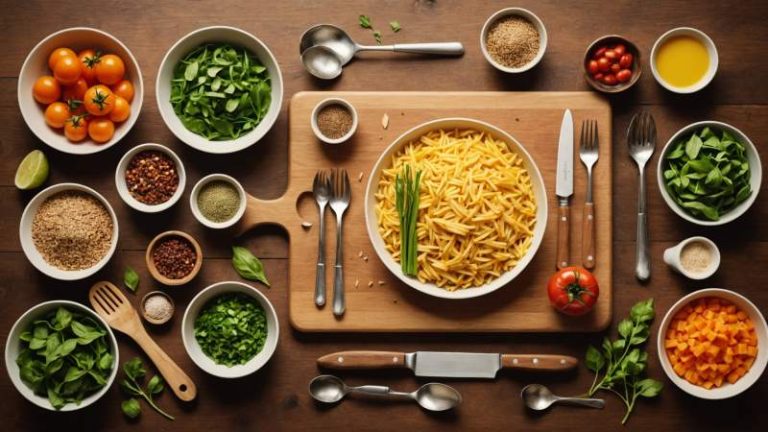
    National Meal Prep Day, observed annually on 9 June, emphasises the importance of planning and preparing meals at home for better health and nutrition. Established by Australian company Phit Phuel in 2021, the day encourages strategies to save time and money while improving diet quality. Research links frequent home cooking with higher consumption of fruits, vegetables, and whole grains, as well as lower intake of fats. Meal planning supports weight control, reduces stress related to food choices, and helps regulate blood sugar levels. The day also raises awareness about the benefits of cooking at home versus eating out.

  • Black Cow Day

    Black Cow Day is celebrated annually on 10 June, recognising the classic drink made from root beer and vanilla ice cream. The beverage, also called a root beer float or ice cream soda, was invented by Frank J. Wisner in 1893 in Cripple Creek, Colorado. In Australia, the drink is affectionately known as a spider and is traditionally made with local lemon-lime soda and ice cream. Variations include the Brown Cow with chocolate ice cream and other flavour combinations. The day is marked by special events in cafes and family venues, especially in Sydney and Melbourne.

  • International Play Day

    International Play Day is celebrated annually on 11 June following a United Nations General Assembly resolution in March 2024. Initiated by Vietnam’s Deputy Minister of Foreign Affairs, Do Hung Viet, the day highlights the essential role of play in development, health, and happiness, especially for children. It emphasises the need for accessible, inclusive, and safe play environments for all, regardless of background or ability. The initiative enjoys broad support from UN member states, educators, sports federations, and parents worldwide, including active participation in Australia.

  • World Day Against Child Labour

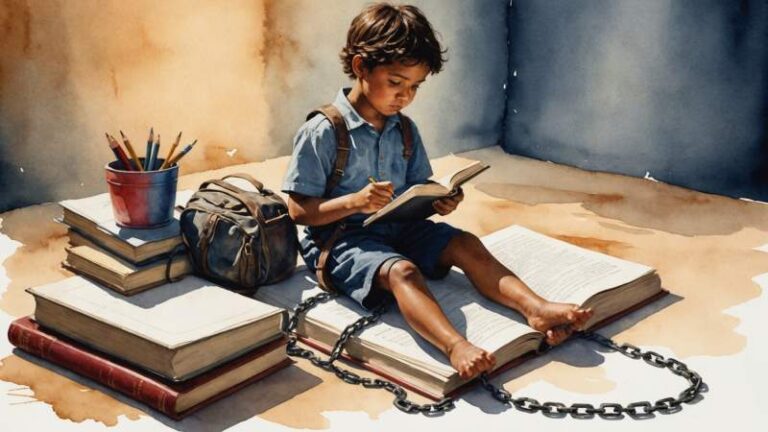
    The World Day Against Child Labour is observed annually on 12 June, established by the International Labour Organization (ILO) to raise awareness about child labour issues. Initiated after key conferences in Amsterdam and Oslo in 1997, the day was first marked in 2002. It aims to mobilise governments, employers, workers, and civil society to combat child labour, which affects 160 million children globally. The ILO’s programmes focus on eradicating the worst forms of child labour, guided by Conventions No. 138 and No. 182. Australia has ratified these conventions and enforces a minimum working age of 15 years.

  • Sewing Machine Day

    Sewing Machine Day, observed on 13 June, commemorates the invention and development of the sewing machine, a key innovation of the Industrial Revolution. Early concepts appeared in the 15th century, with significant patents granted in the 18th and 19th centuries. Innovations by inventors such as Thomas Saint, Elias Howe, and Isaac Merritt Singer advanced the technology, making machines more reliable and accessible. Singer’s company established production in Australia in the mid-19th century, contributing to widespread domestic and industrial use. The sewing machine transformed garment production, lowered costs, and fostered new professions and industries.

  • International Bloggers' Day

    International Bloggers’ Day is observed annually on 14 June as an unofficial celebration dedicated to digital content creators. Established in 2004 by 500 individuals from over 40 countries, the day symbolises friendship among bloggers. Blogging involves maintaining an online diary to share life events, opinions, and specialised content across various themes. The event encourages bloggers worldwide to express solidarity and connect with peers, with activities including online posts and offline meetings in some countries.