
Author: ausdays

  • Workplace Equality Day

    Workplace Equality Day, observed on 11 January, focuses on promoting diversity and addressing discrimination in employment. Discrimination can occur due to ethnicity, gender, sexual orientation, physical ability, or age. Despite anti-discrimination laws, challenges persist as employers sometimes bypass regulations, often relying on prejudices rather than qualifications. The day aims to accelerate progress towards equality, highlighting issues such as unequal pay, hiring biases, and workplace treatment.


  • Workplace Poetry Day

    Workplace Poetry Day is celebrated annually on the second Tuesday of January, encouraging employees to engage with poetry as a means of relaxation and mental stimulation. Poetry, an ancient form of expression using structured language and rhyme, supports creativity, empathy, and psychological balance in the workplace. Activities such as poetry slams and shared readings foster community and improve work relationships. The day highlights poetry’s value in enhancing cognitive abilities and reducing stress, contributing to greater work efficiency.

  • Rubber Duck Day

    Rubber Duck Day is observed annually on 13 January, commemorating the iconic toy’s rich history and cultural significance. Originating in the 1800s with the advent of rubber production, the toy was patented in 1928 by Landon Smart Lawrence, who innovated its design to stand upright. During both world wars, rubber ducks were made from plastic and vinyl due to rubber shortages. A notable event in 1992 involved 28,000 rubber ducks falling overboard during a storm, leading to their dispersal across oceans, including Australian shores. This incident contributed to oceanographic studies and embedded the rubber duck in popular culture, especially in Australia.

  • International Kite Day

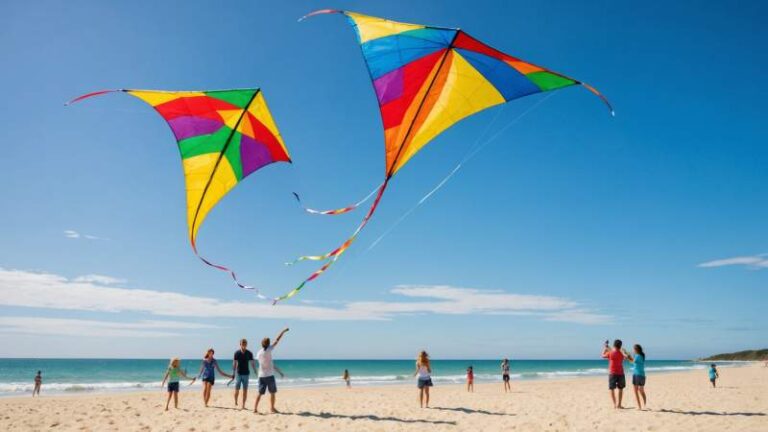
    International Kite Day is celebrated annually on 14 and 15 January, coinciding with the Indian festival of Makar Sankranti or Uttarayan. Originating in India, particularly in Ahmedabad, Gujarat, the festival symbolises the seasonal transition and harvest. Kite flying, once a pastime of royalty, has become a global event attracting participants from many countries. The festival features colourful kites, kite battles, night displays, and fireworks, with cultural events held worldwide including in Australia.

  • World Shawarma Day

    World Shawarma Day is observed on 15 January to celebrate the popular meat dish consisting of grilled meat wrapped in flatbread with vegetables and sauces. Shawarma uses various meats such as chicken, beef, lamb, and pork, cooked on vertical rotating grills. The dish has historical roots linked to Lebanese manakish, Turkish döner kebab, and Greek gyros. Different countries have unique versions and names for shawarma, reflecting local tastes and ingredients. In Australia, the day is marked by tastings and festivals featuring both traditional and local adaptations.

  • The Beatles Global Day

    The Beatles Global Day is celebrated annually on 16 January, marking the opening of The Cavern Club in Liverpool where the band began their journey. Established by UNESCO in 2001, the day honours The Beatles’ significant contributions to music and culture. The band gained worldwide fame with hits like ‘Please Please Me’ and ‘I Want To Hold Your Hand’, influencing generations of musicians. Their innovative recording techniques and global performances, including a landmark satellite broadcast, solidified their place in music history.

  • Lighthouse Illumination Day

    Lighthouse Illumination Day is observed annually on 18 January to recognise the importance of lighthouses in maritime navigation and safety. These resilient structures have guided sailors for centuries, helping them avoid hazards and find safe passage. In Australia, the first lighthouse was built in 1791 at Sydney Harbour, marking a significant historical milestone. Lighthouses also hold cultural and tourist value, with sites like Byron Bay attracting visitors for their scenic and heritage appeal. The day serves as a reminder of the enduring symbolism of lighthouses as beacons of hope, safety, and steadfastness.

  • World Religion Day

    World Religion Day is observed annually on the third Sunday of January to promote harmony and mutual understanding among various religious traditions. Originating from the Baháʼí Faith in the late 1940s, the day encourages communities to celebrate both differences and commonalities in culture and religion. It serves as a forum for learning about diverse faiths and fostering social interaction among people of different beliefs. The event is recognised in over 80 countries and includes lectures by authors, educators, and philosophers on the importance of religious unity.

  • Tea Day Monday

    Tea Day Monday is observed on the third Monday of January each year, encouraging people to connect with those facing winter difficulties. Established by the international charity Samaritans, the event promotes emotional support through online, phone, or face-to-face meetings. Samaritans, founded in 1953 by Vicar Chad Varah, offers confidential listening services and operates a free helpline. In Australia, Lifeline continues this mission, providing 24/7 support and promoting Tea Day Monday to raise awareness and funds for mental health.

  • World Cheese Lovers Day

    World Cheese Lovers Day is observed on 20 January to celebrate the rich history and diversity of cheese. Cheese production dates back thousands of years, with origins spanning multiple cultures and regions. The craft of cheesemaking flourished during the Middle Ages and continues to be a national treasure in many countries. Australia contributes significantly with over 400 cheese varieties, including award-winning artisan cheeses. Events worldwide include festivals, tastings, and workshops highlighting cheese’s cultural and culinary importance.

  • Museum Selfie Day

    Museum Selfie Day is a global trend started by London blogger Mar Dixon that encourages creative photography within museums. Traditionally conservative about photography, many museums have relaxed restrictions, especially regarding flash use, to protect exhibits while engaging visitors. The event is celebrated annually on the third Wednesday of January, with institutions like the National Museum of Australia and the Australian Museum participating. This day fosters public interest and creativity in museum visits through social media sharing and photography.

  • Hot Sauce Day

    Hot Sauce Day, observed on 22 January, celebrates the global appreciation of spicy sauces and the cultures that cherish them. The event features tastings, cooking workshops, and eating competitions centred on chilli-based sauces. Spicy peppers, rich in vitamins and minerals, are the key ingredient in these sauces. In Australia, local varieties like Bush Tucker peppers and Capsicum frutescens are used, with producers applying the Scoville scale to measure heat levels. The day highlights the culinary and cultural significance of hot sauces worldwide.

  • Mismatch Clothing Day

    Mismatch Clothing Day is observed annually on the fourth Thursday of January, encouraging people to wear bright, unmatched clothing from head to toe. Neutral and commonly matching colours like white, black, grey, dark blue, and brown are discouraged. The day celebrates mixing colours, prints, and textures freely, reflecting a bold approach to fashion. Historically, clothing served protective and social functions, evolving into a form of self-expression. In Australia, this day aligns with local fashion trends that embrace vibrant colours, indigenous influences, and sustainable practices.

  • International Education Day

    International Education Day is observed annually on 24 January, established by the United Nations General Assembly in 2018. The day emphasises education as a fundamental human right and a crucial element for sustainable development. Each year features a specific theme addressing current educational challenges, such as inclusive learning and digital education. The right to education is enshrined in the Universal Declaration of Human Rights and supported by international conventions. Education is recognised globally as essential for overcoming poverty, achieving gender equality, and realising sustainable development goals.

  • Infusion Nurse Day

    Infusion Nurse Day is observed annually on 25 January in certain countries to acknowledge the specialised role of infusion nurses. These healthcare professionals administer intravenous therapy, delivering solutions directly into patients’ veins to aid recovery or improve health. Their duties vary depending on the medical setting, including hospitals, intensive care units, clinics, and emergency services. Infusion nurses ensure patients receive necessary fluids and medications when other administration methods are ineffective or unsuitable. Their expertise is vital in providing essential medical care through intravenous routes.

  • International Offline Day

    International Offline Day is observed annually on the last Sunday of January to encourage a balance between online and offline life. The day highlights the importance of reducing internet use to improve physical health, emotional wellbeing, and social connections. Activities such as reading, cooking, and spending time outdoors are promoted as alternatives to digital engagement. The event also supports reflection on digital habits and fosters deeper real-world interactions. In Australia, digital detox practices have shown positive effects on mental clarity and emotional health.

  • Australia Day

    Australia Day is the national holiday of Australia, marking the arrival of the First Fleet led by Captain Arthur Phillip at Sydney Cove on 26 January 1788. This event signified the beginning of European settlement with the establishment of the New South Wales colony. The day is observed with various celebrations including reenactments, parades, fireworks, and cultural events across the country. It also holds significance for Indigenous Australians, who regard the date as a day of mourning and cultural reflection. Official public holidays and ceremonies, such as the Australian of the Year awards, are held nationwide.

  • Holocaust Remembrance Day

    International Holocaust Remembrance Day is observed on 27 January, marking the liberation of Auschwitz concentration camp by Soviet forces. Established by the United Nations General Assembly in 2005, the day honours the memory of Holocaust victims, including approximately six million Jews and other persecuted groups. The date commemorates the 60th anniversary of Auschwitz’s liberation, where an estimated 1.1 to 1.6 million people were killed. Various countries observe Holocaust remembrance on different dates linked to significant historical events.

  • Data Privacy Day

    Data Privacy Day is observed annually on 28 January to promote awareness of personal data protection. The date marks the anniversary of the 1981 Council of Europe Convention on the Protection of Individuals with regard to Automatic Processing of Personal Data. This Convention was the first binding international instrument defining personal data and establishing principles for its lawful and secure processing. The day encourages activities that raise awareness about data privacy rights and the importance of safeguarding personal information. In Australia, data privacy is regulated under the Privacy Act 1988, with the OAIC as the main authority.

  • Puzzle and Brain Teaser Day

    Puzzle and Brain Teaser Day is observed annually on 29 January to celebrate a wide range of puzzles, from classic crosswords and sudoku to complex mechanical and digital challenges. Puzzles serve as an intellectual pastime that entertains and exercises the brain, engaging both hemispheres. They improve memory, cognitive abilities, attention, and problem-solving skills. Additionally, puzzles are used as educational tools in subjects like mathematics, logic, and languages, while also promoting relaxation and happiness through social interaction.

  • International Croissant Day

    International Croissant Day is observed annually on 30 January to celebrate the crescent-shaped pastry known for its flaky, layered texture and soft interior. Originating in Austria in 1683 and popularised in France in the early 19th century, the croissant has become a symbol of European culinary tradition. It is enjoyed worldwide with a variety of fillings, from savoury to sweet, and is often associated with morning meals and refined dining. The day encourages bakeries and enthusiasts to explore croissant-making, highlighting the pastry’s complex preparation and cultural importance.