
Author: ausdays

  • Christmas Eve

    Christmas Eve is observed on 24 December and marks the conclusion of the Advent season, a period of preparation for Christmas. Rooted in Christian liturgy and influenced by Jewish tradition, it commemorates the birth of Jesus Christ at midnight. Various customs include church services, family dinners, gift-giving, and folklore such as animals speaking at midnight. In Australia, Christmas Eve is celebrated with beach barbecues and unique local customs involving Santa Claus arriving on a surfboard.


  • Christian Christmas

    Christmas Day is celebrated on 25 December by Christian churches using the Gregorian or Revised Julian calendars. It is one of the most important Christian holidays alongside Easter and is a public holiday in over 100 countries. The date’s origin is uncertain, with theories linking it to the Annunciation or to supplanting pagan festivals. Traditions vary widely, including Advent observances, festive services, gift-giving, and cultural customs such as Australia’s beach barbecues and Sydney’s Christmas Fair.

  • St. Stephen's Day

    Saint Stephen’s Day, observed on 26 December, is a public holiday in many Western countries and follows Christmas Day. It commemorates Saint Stephen, the first Christian martyr and patron saint of various groups. In the United Kingdom and Commonwealth nations, the day is widely known as Boxing Day, associated with gift-giving traditions and major retail sales. Sporting events such as football, rugby, horse racing, and the Sydney to Hobart Yacht Race are also held on this day. In Australia, Boxing Day marks the start of summer and is an official public holiday featuring shopping and outdoor activities.

  • South Australia Proclamation Day

    South Australia Proclamation Day commemorates the official establishment of the province within the British Empire on 28 December 1836 by Governor John Hindmarsh. The day is an official public holiday in South Australia, observed on 26 December to align with the national Boxing Day celebrations. South Australia was uniquely founded as a free settlement rather than a penal colony, based on Edward Wakefield’s colonisation plan. The proclamation ceremony took place at Holdfast Bay, near present-day Glenelg North, and the colony was intended to embody progressive British societal values.

  • Paper Snowflake Day

    Paper Snowflake Day is observed on 27 December, recognising the traditional craft of paper cutting that began in China. This art form has spread worldwide and is popular in Australia, where paper snowflakes are used as festive decorations. The day is linked to preparations for Christmas and New Year celebrations. Creating paper snowflakes involves folding and cutting paper to produce unique designs, often as a family or school activity. These decorations enhance windows, trees, and interiors during the holiday season.

  • International Cinema Day

    International Cinema Day marks the first public screening of a film by the Lumière brothers in Paris on 28 December 1895. This event followed their patent of the cinematograph earlier that year. Cinema evolved from silent black-and-white films to sound, colour, and digital formats, influencing culture globally. Film festivals and awards, including those in Australia, celebrate cinematic achievements and the medium’s social impact.

  • International Cello Day

    International Cello Day is observed annually on 29 December, coinciding with the birthday of Pablo Casals, a distinguished Catalan cellist, conductor, and composer. Casals is recognised as one of the greatest cellists of all time and a pioneer in popularising the cello as a solo instrument. The cello, a bowed string instrument with a rich expressive range, plays a vital role in symphony orchestras and chamber music. Casals’ contributions include founding orchestras, composing notable works, and promoting music festivals. His legacy continues through international competitions and festivals held in his name.

  • Sodium Bicarbonate Day

    Sodium bicarbonate, commonly known as baking soda, is celebrated annually on 30 December. This white crystalline powder, with the chemical formula NaHCO3, has been used since ancient Egypt and was developed into soda ash by French chemist Nicolas Leblanc in 1791. It serves multiple purposes including baking, cleaning, deodorising, and health care. In Australia, sodium bicarbonate is approved as a food additive (E500) and widely used in households and the food industry.

  • Decision Day

    Decision Day is observed annually on 31 December, aimed at individuals who struggle with indecision. The day encourages making definitive choices without delay or excuses, symbolising a threshold to a new life as it coincides with New Year’s Eve. It promotes responsibility, prioritisation, and breaking down goals into achievable stages to avoid disappointment. The day also offers an opportunity to reassess priorities and commit to actions that bring decisions to fruition.

  • New Year's Eve

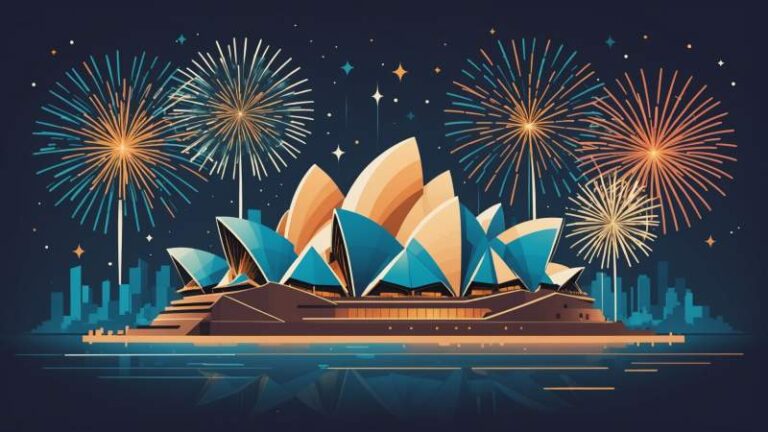
    New Year’s Eve is celebrated annually on 31 December worldwide, with origins tracing back to ancient Babylonian and Roman festivities. In Australia, the day is marked by reduced working hours and extensive preparations for the new year. Major cities like Sydney host large-scale fireworks displays, including family and midnight shows over the Harbour Bridge. Public celebrations often include street festivals, concerts, and outdoor gatherings, with safety measures and alcohol regulations in place. The summer season in Australia allows for outdoor festivities on beaches and parks.

  • Mary Queen of Peace Feast

    The Mary Queen of Peace Feast is observed by the Catholic Church on 1 January, concluding the Christmas Octave. This solemnity honours Mary, the Mother of Jesus, recognised as the greatest of saints and Queen of Peace. The feast has origins dating back to the 4th century and is a holy day of obligation. Catholic doctrine highlights Mary’s Immaculate Conception, her sinlessness, and her unique role as mediator of grace between Christ and humanity. The Assumption of Mary, proclaimed by Pope Pius XII, affirms her bodily and spiritual glorification in heaven.

  • Australian New Year Celebrations

    In Australia, New Year is celebrated on 1 January, coinciding with the summer season in the Southern Hemisphere. The festivities include large outdoor events, free concerts by renowned musicians, and spectacular fireworks displays, especially in Sydney Harbour. Major cities like Melbourne, Brisbane, and Canberra host vibrant parties, music festivals such as The Falls Festival, and traditional celebrations involving whistles, car horns, and bells at midnight. The day is a public holiday marked by picnics, beach parties, rodeos, and surfing carnivals.

  • International Introvert Day

    International Introvert Day is observed on 2 January to acknowledge and respect introverted individuals. The concept of introversion and extraversion originates from psychology, with Carl Jung identifying these personality types and introducing ambiversion. Introverts are often reserved and prefer solitude, contributing unique strengths such as patience and responsibility. The day was initiated in 2011 to promote understanding and balance between personality types. Australia ranks highly as a comfortable environment for introverts, valuing professions suited to their traits.

  • Tolkien Day

    Tolkien Day is observed annually on 3 January to mark the birthday of J.R.R. Tolkien, the English writer and philologist renowned for his works The Hobbit and The Lord of the Rings. Born in 1892 in the Orange Free State, Tolkien’s writings significantly influenced the development of modern high fantasy. The Tolkien Society initiated this celebration, encouraging fans worldwide to raise a toast in his honour. In Australia, Tolkien Fellowship groups and student associations actively participate in events promoting Tolkien’s literary legacy.

  • World Hypnosis Day

    World Hypnosis Day is celebrated annually on 4 January to promote awareness and understanding of hypnosis. Established in 2006 by certified hypnotherapist Tom Nicoli, the day aims to dispel myths and highlight the benefits of hypnosis. Hypnosis is a temporary state of focused attention and increased suggestibility, used historically in medicine and religious practices. Modern hypnotherapy addresses conditions such as anxiety, depression, and addiction. In Australia, professional communities support the day through educational events and public demonstrations.

  • International Digestive Rest Day

    International Digestive Rest Day is observed on 5 January to support the digestive system after the heavy eating typical of the holiday season. Originating from traditions linked to Christmas and New Year celebrations, this day encourages a lighter diet focusing on easily digestible proteins, grains, and vegetables. In Australia, the day is endorsed by dietitians and fitness professionals, with wellness centres hosting events to promote healthy eating. The day discourages consumption of fatty, fried, and sugary foods, aiming to aid recovery from festive excesses.

  • Thank God It's Monday

    Thank God It’s Monday is observed on the first Monday of January to encourage a positive outlook on the start of the week. Monday is internationally recognised as the first day of the week according to ISO 8601, though some cultures consider it the second day. The day symbolises new opportunities and fresh starts, with historical and cultural associations ranging from religious observances to notable events. In Australia, Monday marks the official beginning of the workweek and is linked to public holidays and remembrance days.

  • Epiphany Celebration

    Epiphany is one of the oldest Christian feasts, traditionally celebrated on 6 January. It commemorates the visit of the Magi to the infant Jesus and the Baptism of Jesus in the Jordan River. In Catholic tradition, Epiphany focuses on the arrival of the Magi, while in Greek Orthodox practice it primarily honours the Baptism of Christ. Customs include the blessing of water, chalk, and incense, as well as processions and symbolic markings on homes. The celebration varies by country and denomination, with specific observances in Australia.

  • National Bobblehead Day

    National Bobblehead Day is observed on 7 January, recognising the long history and cultural impact of bobbleheads. Originating in the 1700s with religious figures like Buddha, bobbleheads were imported to Europe from China in the 1760s. The first sports bobblehead appeared in the 1920s, depicting a generic basketball player. The Beatles’ bobbleheads in 1964 sparked a surge in popularity in the United States. Today, bobbleheads represent various figures including presidents, athletes, and musicians, and are popular collectibles worldwide, including in Australia.

  • Healthy Weight and Appearance Day

    Healthy Weight and Appearance Day is observed annually on the second Thursday of January in Australia as part of Healthy Weight Week. The day emphasises the importance of body weight as a health factor, recognising that good health does not require being very thin. Body Mass Index (BMI), developed in the 19th century and refined over time, is used to categorise weight status and assess health risks. Australian initiatives like LiveLighter promote healthy eating and physical activity to address overweight and obesity, which affect over 65% of adults. The day also challenges myths about body size and health, focusing on factors such as fat distribution and metabolism.

  • Quitters Day

    Quitters Day is observed on the second Friday of January to acknowledge those who struggle to maintain their New Year resolutions. Originating from ancient traditions of goal-setting, this day highlights research showing that up to 80% of people abandon their resolutions by mid-January. Key factors in success include setting realistic goals, persistence, and social support. The day aims to inspire individuals to recommit and achieve their objectives through dedication and practical strategies.