Epiphany: Christian Feast of the Magi and Baptism
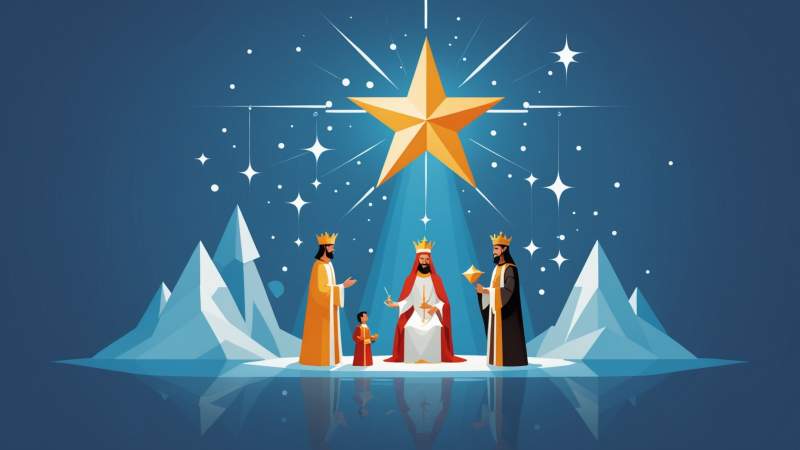
Epiphany is a significant Christian feast observed on 6 January, marking important events in the life of Jesus Christ. It is recognised in both Catholic and Greek Orthodox traditions, each with distinct emphases and customs.
Originally, Epiphany honoured the Nativity of Christ, the adoration of the Magi, and the Baptism of Jesus in the Jordan River. Over time, these elements have been celebrated separately in various churches.
In Catholic churches, Epiphany celebrates the arrival of the three Magi, while in Greek Orthodox communities it is primarily a feast of the Baptism of Christ, often involving water blessings and processions.
Date of the Epiphany Celebration
Epiphany is traditionally celebrated on 6 January. This date marks the observance of the feast in both the Catholic Church and the Greek Orthodox Church. Historically, Epiphany was universally commemorated on this day across Christian denominations. However, in Australia, the celebration of the Catholic Epiphany, particularly within Latin Rite churches, is observed on the first Sunday following 1 January. It is important to note that in Australia, this feast is not recognised as a nationwide public holiday or a non-working day.
Features of Epiphany Celebrations in Australia
In Australia, the celebration of Epiphany holds distinct characteristics within both Catholic and Orthodox communities. For Catholics, Epiphany marks the conclusion of the Christmas and New Year liturgical period. Following this, the Latin Rite observes a separate feast dedicated to the Baptism of the Lord. On Epiphany itself, Catholic parishes perform the blessing of water, incense, and chalk. The blessed chalk is then used by parishioners to inscribe the initials of the three Magi above the doors of their homes, symbolising protection and blessing.
Among some Orthodox jurisdictions in Australia, Epiphany is celebrated according to the Julian calendar, coinciding with the Feast of the Baptism of the Lord. This observance is marked by the blessing of natural bodies of water, such as seas, rivers, or harbours, often accompanied by processions to these locations. These rituals underscore the sanctification of water and the commemoration of Christ’s baptism, reflecting the deep spiritual significance of the feast within the Orthodox tradition in Australia.
History and Significance of the Feast
Epiphany is one of the oldest Christian feasts, deeply rooted in the early traditions of the Church. Initially, the celebration of Epiphany encompassed multiple significant events: the Nativity of Christ, the adoration of the Magi to the infant Jesus, and the Baptism of Jesus in the River Jordan. Over time, as Christianity developed and spread, different churches began to observe Epiphany in varied ways, reflecting diverse theological emphases and liturgical practices. Despite these differences, the feast has consistently held a central place in Christian worship, commemorating key moments in the revelation of Christ to the world.
Differences in Celebration Traditions
The celebration of Epiphany varies notably between Catholic and Orthodox Christian traditions. In the Catholic Church, Epiphany is primarily observed as the arrival of the Magi, the Three Wise Men, marking their visit to the infant Jesus. This event is distinct from Christmas and the Baptism of Christ, which are celebrated as separate holidays. Conversely, in countries where Greek Orthodox Christianity predominates, such as Bulgaria, Greece, and Cyprus, Epiphany is principally recognised as the Feast of the Baptism of Christ. This highlights a significant divergence in the focus and liturgical emphasis of the feast between these Christian traditions.
Catholic Rites and Traditions
On the day of Epiphany, Catholic churches hold solemn Masses during which water, chalk, and incense are blessed. This ritual blessing plays a central role in the celebration, symbolising purification and sanctification. A distinctive tradition among the faithful involves writing the initial letters of the names of the three Magi—Caspar, Melchior, and Balthazar—at the entrance of their homes using the blessed chalk. This practice is believed to ward off evil spirits and bring prosperity to the household. In many cities, it is customary to light bonfires as part of the Epiphany festivities, creating a communal atmosphere of warmth and celebration. Later in the evening, families gather for a festive dinner, marking the conclusion of the day with shared meals and togetherness.
Orthodox Rites and Traditions
In the Greek Orthodox tradition, the celebration of Epiphany involves a solemn procession to the sea or another body of water. This ritual is marked by the blessing of the water, a significant ceremonial act performed by the priest. A central element of the observance is the immersion into the icy water to retrieve a silver cross, which the priest ceremoniously lowers into the water. This practice symbolises purification and the sanctification of the natural element, reflecting the spiritual significance of the feast within Orthodox Christianity.
Status of the Feast in Different Countries
The feast of Epiphany is recognised under various names across different countries, commonly referred to as the Day of the Three Kings or the Day of the Three Magi. This variation in nomenclature reflects the diverse cultural interpretations of the celebration. Additionally, the official status of Epiphany varies internationally; in some countries, it is designated as a public holiday, granting a non-working day to the population, while in others, it remains a regular working day without official holiday status. These differences highlight the varying degrees of cultural and religious significance attributed to the feast in different national contexts.