
Author: ausdays

  • Presentation of Mary

    The Presentation of the Blessed Virgin Mary is celebrated annually on 21 November by several Christian denominations including the Roman Catholic and Ukrainian Greek Catholic Churches. This feast commemorates the event when Mary, the mother of Jesus, was dedicated to the Jerusalem temple by her parents, Saints Joachim and Anna. At the age of three, Mary was brought to the temple where she lived until adolescence, dedicating herself to prayer and scripture. Established as a feast in the eighth century, it is one of the twelve major liturgical celebrations in Christianity, excluding Easter. Various traditional customs and restrictions are associated with this day, reflecting its spiritual significance.


  • International Sons Day

    International Sons Day is observed annually on 22 November in many countries to express love and gratitude towards sons. This young and unofficial celebration emerged through media and social networks. Families spend time together, share gifts, and engage in activities that strengthen parent-son relationships. In Australia, the day often includes visits to zoos, picnics, and sporting events, promoting family unity and cultural appreciation. The day supports the recognition of sons’ roles within families and society.

  • World Information Day

    World Information Day is celebrated annually on 26 November, established in 1994 by the International Academy of Informatization and officially registered by UNESCO. The day recognises the vital role of information in human life and its growing significance due to technological and social progress. The event is observed globally, reflecting the continuous increase in information volume and the impact of digital technologies such as the internet and digital broadcasting. It also addresses challenges like information overload and information stress, which have social and health implications.

  • Mars Exploration Day

    Mars Exploration Day is celebrated every 28 November to honour the launch of the Mariner 4 spacecraft, which conducted the first successful flyby of Mars. Mariner 4 provided the first close-up images of the Red Planet’s surface, revealing its iron oxide-rich terrain. Mars, the fourth planet from the Sun, is known for its distinctive reddish appearance and is named after the Roman god of war. The day is widely observed by astronomy enthusiasts and space researchers, with various educational events held across Australia.

  • Nativity Fast

    The Nativity Fast, also known as the Philip’s Fast or Forty-Day Fast, is a period of fasting observed by Orthodox Christians in preparation for Christmas. It begins on 28 November and lasts until 6 January, commemorating the birth of Christ. The fast involves abstaining from meat, dairy, and certain oils, with specific allowances for fish on weekends and feast days. The tradition dates back to the 4th century and varies slightly among Orthodox jurisdictions, including those in Australia. The fast emphasises spiritual purification alongside physical abstinence.

  • International Women Human Rights Defenders Day

    International Women Human Rights Defenders Day is observed annually on 29 November to honour women who defend human rights and those who combat discrimination against women. The day recognises the additional vulnerabilities faced by women human rights defenders, including gender-based violence, threats, and defamation. Supported by the UN Human Rights Office and global organisations like Amnesty International, the day promotes awareness and protection measures. It also encourages actions to empower defenders, especially in regions with patriarchal norms and widespread human rights violations.

  • World AIDS Day

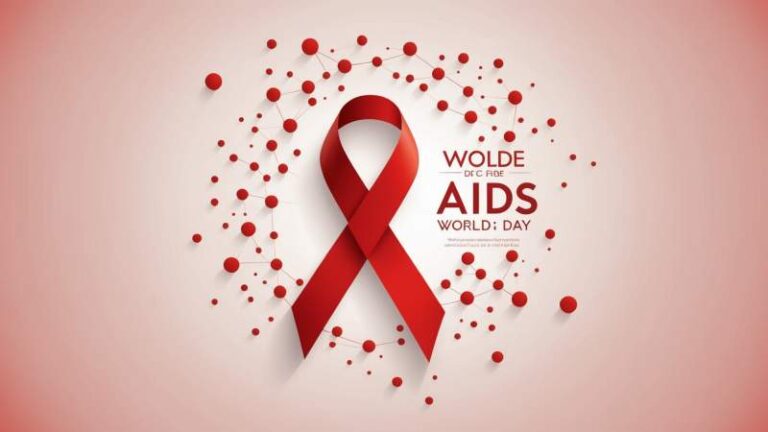
    World AIDS Day is observed every year on 1 December to increase awareness about HIV/AIDS and remember those who have died from the disease. Established in 1988 by the World Health Organization and the UN General Assembly, the day recognises achievements in expanding access to treatment and prevention. The red ribbon symbol, created in 1991, represents solidarity with people living with HIV. UNAIDS, a joint UN programme, supports global efforts in HIV prevention, treatment, and human rights advocacy. In Australia, HIV treatment has been available since 1996, with ongoing national strategies and community events like the Sydney Mardi Gras parade supporting the cause.

  • National Rubber Sandals Day

    National Rubber Sandal Day is observed annually on 2 December in New Zealand, recognising the cultural importance of rubber sandals, locally known as jandals. The footwear was invented in New Zealand, with production starting in 1957 by Morris Yock. The day encourages wearing jandals at work and supports Surf Life Saving New Zealand through donations. Research shows a predominance of left-footed sandals washing ashore, linked to local fishing practices.

  • International Day of Persons with Disabilities

    The International Day of Persons with Disabilities was proclaimed by the United Nations General Assembly in 1992 to promote the rights and well-being of persons with disabilities. It aims to raise awareness of the challenges faced by people with disabilities and encourage their full participation in society. The day follows the UN Decade of Disabled Persons (1983–1992) and aligns with the principles of the Convention on the Rights of Persons with Disabilities. Globally, 1.3 billion people live with some form of disability, facing barriers in education, employment, and social inclusion. In Australia, the day is observed with national awards and supported by legislation and programs such as the Disability Discrimination Act and the National Disability Insurance Scheme.

  • International Banking Day

    International Banking Day, established by the United Nations General Assembly in 2019, is observed annually on 4 December. The day recognises the significant role of banks in achieving the Sustainable Development Goals by 2030. Banks contribute to poverty reduction, social equality, and environmental sustainability. The UN encourages banks to invest in long-term projects and manage economic risks to support global development. In Australia, initiatives like the Australian Sustainable Finance Roadmap align the financial sector with these global objectives.

  • Sleep Lovers Day

    Sleep Lovers Day is an unofficial annual event held on 7 December that celebrates the value of sleep and relaxation. Originating as a humorous date, it has gained popularity among those who appreciate passive rest. The day encourages people to prioritise quality sleep, often by sleeping longer or enjoying restful activities like reading in bed. It serves as a reminder of the essential role sleep plays in physical health, emotional balance, and cognitive function. The observance also promotes awareness of healthy sleep habits and the need to balance work and rest.

  • International Anti-Corruption Day

    International Anti-Corruption Day is observed annually on 9 December, marking the anniversary of the 2003 United Nations Convention against Corruption. This convention, the first of its kind, criminalises bribery, embezzlement, and money laundering, and mandates the return of stolen assets. Corruption is a complex global issue affecting all countries and undermining economic development, governance, and peace. Australia ratified the convention in 2005 and actively participates in related national initiatives.

  • Human Rights Day

    Human Rights Day is observed globally on 10 December, commemorating the adoption of the Universal Declaration of Human Rights by the United Nations General Assembly in 1948. Established officially in 1950, the day encourages states and organisations to promote human rights awareness. The Universal Declaration outlines fundamental political, civil, social, cultural, and economic rights inherent to all individuals. It has been translated into 577 languages and serves as the foundation for various international agreements. The UN Human Rights Prize, awarded every five years on this date, recognises outstanding contributions to human rights.

  • Nobel Day

    Nobel Day is observed annually on 10 December in Stockholm to commemorate Alfred Nobel, the Swedish chemist and inventor who passed away in 1896. Nobel, known for inventing dynamite and holding over 350 patents, established the Nobel Prize through his will to reward outstanding contributions in science, literature, and peace. The Nobel Prize ceremony includes awarding medals, diplomas, and monetary prizes to laureates, followed by a banquet and concert. The event highlights the importance of knowledge, humanitarianism, and global recognition of excellence.

  • Poinsettia Day

    Poinsettia Day is observed annually on 12 December, commemorating the plant’s introduction to the United States by Joel Roberts Poinsett. Native to tropical Mexico and Central America, the poinsettia is widely recognised as a Christmas symbol due to its vibrant coloured bracts resembling stars. The plant’s flowering period spans from December to March, and it is popular in Australia as a festive decoration despite the summer season. Australian horticulture continues to develop new varieties with diverse bract colours, supporting its role in seasonal celebrations.

  • International Monkey Day

    International Monkey Day is an unofficial celebration dedicated to monkeys and other primates, originating as a student joke in 2000. It highlights the diversity of over 400 primate species found across tropical and subtropical regions globally. The day is marked by educational programmes in zoos and conservation efforts, including activities in Australian zoos such as Melbourne and Taronga. Animal advocates use the occasion to raise awareness about threats to primates, including habitat loss and wildlife trade. The event combines humour and education to engage the public, especially children, in learning about primate behaviour and conservation.

  • Cupcake Day Australia

    Cupcake Day Australia is an annual charity event organised by RSPCA Australia, held in August to raise funds for animal shelters through cupcake sales. The event encourages home and office baking and sharing of cupcakes and other cakes. Australian baking culture also embraces traditional Christmas fruitcakes, prepared weeks in advance and soaked in rum or brandy. These fruitcakes are a festive staple, often served with brandy butter or cream alongside other national desserts like lamingtons and pavlova. The event and traditions highlight the cultural significance of cakes in Australian celebrations and charity.

  • International Migrants Day

    International Migrants Day is observed annually on 18 December to raise awareness about the rights and contributions of migrants worldwide. Established by the United Nations General Assembly in 2000, the day coincides with the adoption of the International Convention on the Protection of the Rights of All Migrant Workers and Members of Their Families in 1990. Migration remains a significant global phenomenon driven by economic, social, and environmental factors. The day promotes information dissemination on migrant rights and encourages international cooperation to ensure safe, orderly, and regular migration. Australia actively participates in migration programs and supports migrant integration through legislation and community initiatives.

  • International Human Solidarity Day

    International Human Solidarity Day is observed annually on 20 December, following a United Nations resolution in 2006. The day highlights the importance of unity, mutual support, and shared responsibility as fundamental human values. It serves as a reminder to governments about their commitments to international agreements and promotes awareness of solidarity as essential for achieving development goals. The day also supports initiatives aimed at eradicating poverty, with backing from the UN Development Programme and the World Solidarity Fund. Various activities worldwide, including in Australia, focus on solidarity with vulnerable populations and advancing global development objectives.

  • National Gravy Day

    Gravy Day is an unofficial Australian celebration held on 21 December, inspired by Paul Kelly’s 1996 song ‘How to Make Gravy’. The song, a Christmas classic, tells the story of a prisoner named Joe writing to his brother about missing the festive season and mentions a traditional meat gravy recipe. The day honours this cultural reference with social media memes, music listening, and recipe sharing. Gravy, a meat sauce thickened with flour or starch, is a staple in Commonwealth Christmas dinners. The song’s influence extended to a 2024 film adaptation featuring notable Australian actors.

  • HumanLight Celebration

    HumanLight is a secular humanist holiday observed on 23 December, focusing on values such as reason, compassion, humanity, and hope. It was first celebrated in 2001 in New Jersey and officially recognised by the American Humanist Association in 2004. The holiday offers an alternative to religious winter celebrations, allowing secular humanists to celebrate positive human values without religious connotations. In Australia, HumanLight is increasingly observed with community events, candle lighting, and charitable activities, emphasising inclusivity and respect for diverse beliefs.