
• Peanut Chocolate Day

    Peanut Chocolate Day is observed annually on 25 February to celebrate the combination of peanuts and chocolate. The exact origin of the day is unknown, but its popularity continues to grow. In Australia, the day highlights a variety of confections such as chocolates, bars, cakes, and ice cream featuring peanuts. Australian producers often create premium dark chocolate and peanut products, reflecting the nation’s developed confectionery industry. The day also emphasises the nutritional benefits of peanuts and dark chocolate as part of a balanced diet.


  • World Slow Living Day

    World Slow Living Day, also known as Slow Day, is celebrated annually on 26 February. Originating in Italy in 2007, the day encourages people to embrace a slower pace of life under the motto ‘Don’t rush and enjoy the moment.’ Activities include a slow marathon in Rome and various events in Australia focusing on mindful living, stress reduction, and cultural engagement. The day promotes principles such as waking earlier for a calm start and enjoying unhurried social interactions.

  • Beautiful Birth Festival

    The Beautiful Birth Festival is an annual event held in Adelaide that celebrates childbirth and the strength of mothers. Established in 2008 by a committee of experienced women, the festival honours both the physical and spiritual aspects of birth. It aims to promote positive birth stories and support for families, involving government and charitable organisations. The festival also highlights the importance of maternal and child welfare in the community.

  • Floral Art Day

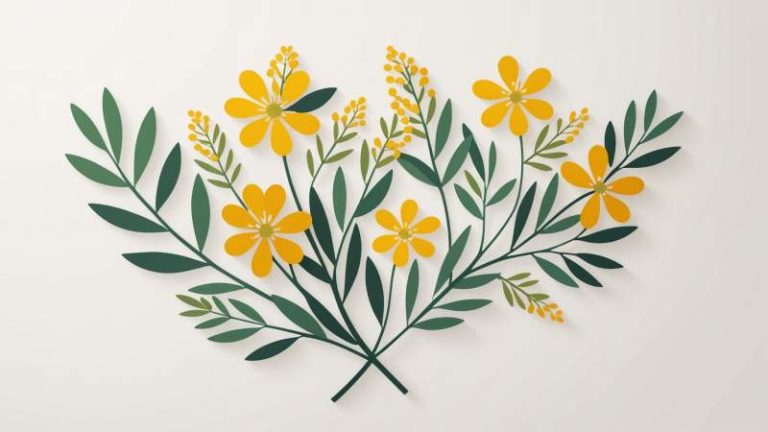
    Floral Art Day is observed annually on 28 February to celebrate the art of floral design and the florists who enrich the world with flowers. Established in 1995 by Massachusetts Governor William F. Weld, the day honours Carl Rittner, founder of a Boston floral design school. Floristry has ancient cultural roots and has evolved into a significant global industry. In Australia, the day features exhibitions of native floral arrangements and workshops promoting sustainable use of local plants.

  • World Compliment Day

    World Compliment Day is an informal observance encouraging the expression of sincere praise and kindness. Originating possibly in the Netherlands around 2001, the day lacks a fixed date but is celebrated on 1 March in Australia. The event highlights the importance of compliments as a form of recognition and positivity without requiring gifts or formal preparation. Australian schools, universities, and corporations actively participate, promoting goodwill through various activities and social media engagement.

  • Horse Protection Day

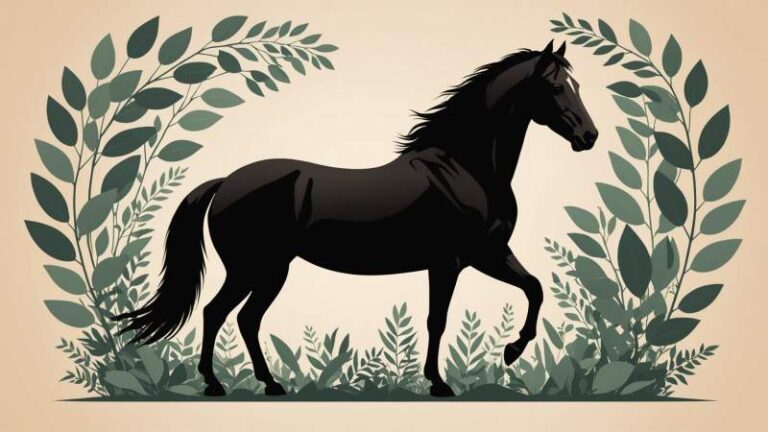
    Horse Protection Day is observed annually on 1 March to highlight the welfare challenges faced by horses and to promote their protection from abuse, neglect, and exploitation. Established in 2005 by animal expert Colin Page, the day encourages rescue, rehabilitation, and rehoming efforts. The event draws attention to issues such as inadequate nutrition, poor veterinary care, and harsh treatment in both domestic and wild horses. It also recognises the historical and cultural significance of horses and supports humane management practices globally, including in Australia.

  • International Match Day

    International Match Day is observed annually on 2 March to recognise the invention and development of matches. Matches are small sticks with combustible heads used to create fire, evolving from ancient fire-making methods like friction and flint striking. Early matches involved hazardous chemicals such as white phosphorus, which was later replaced by safer red phosphorus. The first safe matches were produced in Sweden in 1851, earning international acclaim. The match industry also has a history of labour issues, including child labour in Australian factories during the 1920s.

  • World Wildlife Day

    World Wildlife Day, observed on 3 March, was established by the UN General Assembly in 2013 to raise awareness about wild fauna and flora. The date commemorates the adoption of the CITES treaty in 1973, which regulates international trade in endangered species. Over 185 countries participate in CITES, protecting thousands of animal and plant species. The day highlights the urgent need to combat wildlife crimes and preserve biodiversity, which is vital for ecological, economic, and social sustainability. Australia, a CITES signatory since 1976, actively participates in conservation efforts, including protecting native species and marine ecosystems.

  • World Engineering Day

    World Engineering Day is observed annually on 4 March to recognise the contributions of engineers, scientists, and inventors. Established by UNESCO in 2019, the day honours the founding of the World Federation of Engineering Organisations in 1968. The federation unites engineering bodies from 103 countries, representing around 30 million professionals. The day promotes engineering progress, education, and public welfare through various thematic events worldwide. In Australia, Engineers Australia actively participates in these celebrations, supporting innovation and sustainable development.

  • Digital Detox Day

    Digital Detox Day is observed annually on 5 March as a 24-hour period encouraging people to switch off smartphones, tablets, and computers. Originating in the United States, the event highlights the importance of reducing digital device use to alleviate stress, improve concentration, and enhance mental health. In Australia, the day supports programs aimed at lowering screen time, especially among youth and professionals. The detox fosters better sleep, emotional wellbeing, and strengthens family and social relationships through face-to-face interaction.

  • Frozen Food Day

    Frozen Food Day is observed annually on 6 March to recognise the importance and convenience of frozen foods. Established in 1984 by US President Ronald Reagan, the day honours the first sale of frozen food on 6 March 1930. Freezing preserves nutrients and flavour while extending shelf life without preservatives. The day also features culinary contests and promotions, with Australian companies and associations actively supporting frozen food use and export.

  • Interpol Police Remembrance Day

    Interpol Police Remembrance Day is observed annually on 7 March to honour law enforcement officers who have died in the line of duty. The day features memorial ceremonies held globally, organised by Interpol and its member countries. Interpol, established from early 20th-century international police cooperation, now unites 196 countries. The organisation highlights the risks faced by police officers, including injuries and fatalities from targeted and indiscriminate attacks. Australia, a member since 1949, participates through its National Central Bureau and the Australian Federal Police.

  • International Women's Day

    International Women’s Day is observed annually on 8 March as a global celebration of women’s achievements in political, economic, and social fields. Established in the early 20th century, the day honours the past, present, and future contributions of women worldwide. The United Nations officially recognised the day in 1975, promoting it as a day for women’s rights and international peace. In Australia, the day is marked as a day of solidarity, reflecting significant milestones such as women’s suffrage and the first women’s rights march in Sydney.

  • World DJ Day

    World DJ Day is a global charitable campaign established in 2002 by the World DJ Fund and Nordoff Robbins Music Therapy. The event culminates annually on 9 March, with proceeds from DJs, clubs, and radio stations directed to international children’s charities. The campaign promotes the profession of disc jockeys, who use digital technology to create and play music across various platforms. In Australia, the event is supported by local DJs, musicians, media, and charitable organisations, focusing on fundraising for children’s medical and social programs through music therapy.

  • Canberra Day

    Canberra Day is observed in the Australian Capital Territory on the second Monday of March, commemorating the official naming of Canberra as Australia’s capital. The day features various events including the Enlighten Canberra festival, the Canberra Balloon Spectacular, and community fundraisers. Canberra, designed to resolve rivalry between Sydney and Melbourne, is located inland and is known for its natural parks and renewable energy use. The name Canberra originates from the Ngunnawal language, meaning ‘meeting place’ or ‘woman’s breast’.

  • Adelaide Cup Day

    Adelaide Cup Day is a public holiday in South Australia observed on the second Monday of March. It coincides with the Adelaide Cup, a Group 2 thoroughbred horse race held at Morphettville Racecourse. The event is organised by the South Australian Jockey Club and includes cultural festivals, music, and family activities. Established in 1864, the Adelaide Cup is the second oldest major horse race in Australia and has a prize pool of 400,000 AUD. The day is an important social and cultural occasion in the region.

  • Commonwealth Day

    Commonwealth Day is an annual movable holiday observed on the second Monday of March, celebrating the history and unity of the Commonwealth of Nations. The day features a service at Westminster Abbey attended by the British royal family and various celebrations across member countries. Originally established as Empire Day in 1902 to honour Queen Victoria, it was renamed Commonwealth Day in 1958. The event symbolises ideals of freedom, tolerance, and justice, and is recognised as an official public holiday in some Commonwealth countries. The day also includes the Queen’s annual address, inspiring member states towards a shared future.

  • Eight-Hour Workday Day

    Eight-Hour Workday Day in Australia commemorates the labour movement that began in the 1800s, advocating for an eight-hour working day and a 40-hour working week. Originating with skilled tradespeople and unions, the movement led to significant labour reforms, including the 1860s Victorian law guaranteeing the eight-hour day. The day is observed in various states, featuring parades, festivals, and sporting events that celebrate workers’ rights and achievements. The movement’s slogan, ‘eight hours labour, eight hours recreation, eight hours rest,’ symbolises the balance sought by workers. A monument in Melbourne’s Trades Hall honours this pivotal labour milestone.

  • International Women Judges Day

    International Women Judges Day is an annual United Nations observance held on 10 March, established in 2021 to promote gender equality in judicial systems globally. The day recognises the underrepresentation of women in judicial leadership and the importance of gender and racial diversity for fair and inclusive justice. It honours the progress made by women judges who have overcome barriers and highlights the ongoing challenges of gender stereotypes and discrimination. The observance supports the UN Sustainable Development Goal 5, aiming for full participation of women in leadership and decision-making roles within the judiciary.

  • Coronavirus Pandemic Day

    Coronavirus Pandemic Day is observed annually on 11 March, marking the World Health Organization’s declaration of COVID-19 as a pandemic in 2020. The disease affects the respiratory and gastrointestinal systems with symptoms ranging from mild to severe. The pandemic led to significant challenges in health, economy, and social relations globally. Australia implemented strict border closures and lockdowns, maintaining low mortality rates. The day honours victims and healthcare workers while reflecting on societal adaptations and resilience.

  • World Pineapple Day

    World Pineapple Day is observed annually on 12 March to recognise the pineapple, an exotic tropical fruit valued worldwide for its sweet flavour and health benefits. Originating from the Mato Grosso plateau on the Brazil-Paraguay border, pineapples grow as herbaceous plants with large, moisture-retaining leaves. The fruit develops from multiple fused berries and contains the enzyme bromelain, known for its anti-inflammatory properties. Pineapples are cultivated globally where climate permits, including significant production in Queensland, Australia.