International Embroidery Day: Celebrating Textile Art and Tradition
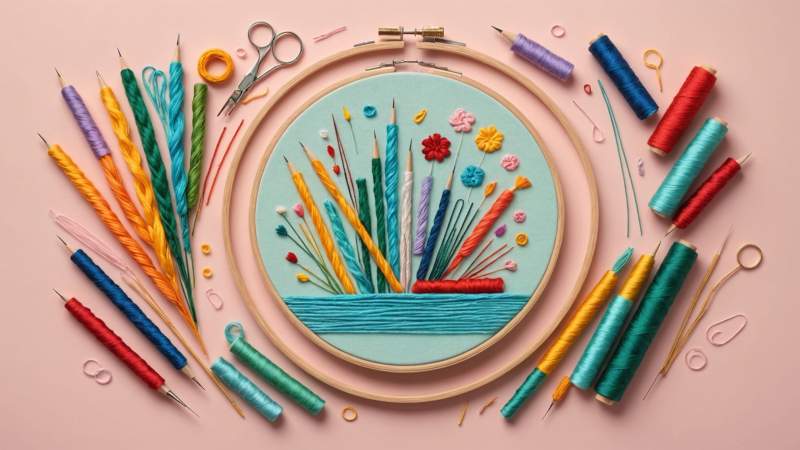
International Embroidery Day is observed every year on 10 November to acknowledge the enduring art of embroidery. This craft involves creating decorative patterns on fabric using needle and thread, a practice with a rich history spanning many cultures.
Embroidery has played a significant role in clothing and household items, often carrying symbolic meanings and cultural stories. It has been passed down through generations, preserving traditions and historical narratives.
In Australia, embroidery is embraced by craft groups and communities, where it connects with Indigenous art forms and the natural environment, supporting cultural memory and creative expression.
Date of the Celebration
International Embroidery Day is observed annually on the 10th of November. This date has been designated to honour and recognise the art and craft of embroidery worldwide. Each year, on this specific day, enthusiasts and practitioners of embroidery come together to celebrate their shared passion and the cultural significance of this textile art form.
Celebrations in Australia
In Australia, International Embroidery Day is celebrated on 10 November within craft communities and embroidery clubs. These groups actively promote embroidery as a means of preserving cultural memory and family traditions, highlighting the art form’s role in maintaining heritage. Australian Aboriginal art, particularly known for its dot painting technique, shares a close relationship with embroidery through its use of ornamentation and symbolism to convey stories, myths, and knowledge about the land. Aboriginal artists frequently incorporate images of native wildlife such as kangaroos, turtles, and lizards, linking embroidery and decorative arts to national symbolism. The vibrant colours and intricate patterns characteristic of Australian decorative art complement the themes of hand embroidery, enriching local traditions of ornamentation. Moreover, Australian textile and decorative works often draw inspiration from the continent’s natural environment, including marine animals, desert landscapes, and indigenous plants, further connecting embroidery practices to the unique Australian context.
History and Significance of Embroidery
Embroidery is the art of creating patterns on fabric using thread and needle, a craft with a history spanning centuries. Its origins trace back to ancient civilizations such as China, Egypt, India, and Mesopotamia, where embroidery was employed to adorn clothing, ritual objects, and household items. In medieval Europe, embroidery played a significant role in embellishing ecclesiastical garments, reflecting its importance in religious and cultural contexts. Across various cultures, embroidery has been an essential element of both clothing and interior decoration. The practice of embroidery is often passed down through generations, serving as a means of preserving traditions and the history of a people. Today, embroidery remains an integral part of cultural heritage and a form of personal and artistic expression.
Embroidery Characteristics in Different Cultures
Embroidery holds a distinctive place in various cultures, each with unique characteristics and symbolic meanings. In China, embroidery traditionally features motifs such as dragons, phoenixes, and other symbols representing luck and prosperity. Chinese embroiderers are renowned for their delicate craftsmanship and the use of a wide range of colours, which contribute to the intricate beauty of their textile art. In India, embroidery is notable for its rich diversity of colours and patterns, commonly applied to saris, other garments, and textile products, reflecting the vibrant cultural heritage of the region. Ukrainian traditional embroidery is distinguished by bright geometric patterns that carry symbolic significance and are deeply connected to the nation’s history. These cultural variations highlight the rich tapestry of embroidery traditions celebrated worldwide.
The Contemporary Significance of International Embroidery Day
International Embroidery Day serves as a dedicated occasion to acknowledge the importance of the art of embroidery. It highlights the exceptional talent, hard work, and dedication of those who create beauty on fabric through this intricate craft. In today’s world, where technology often dominates artistic expression, the day emphasises the continued relevance and value of hand embroidery. By celebrating this traditional skill, International Embroidery Day reinforces the appreciation for manual craftsmanship and the cultural significance embedded in embroidered textiles.