World Cultural Diversity Day for Dialogue and Development
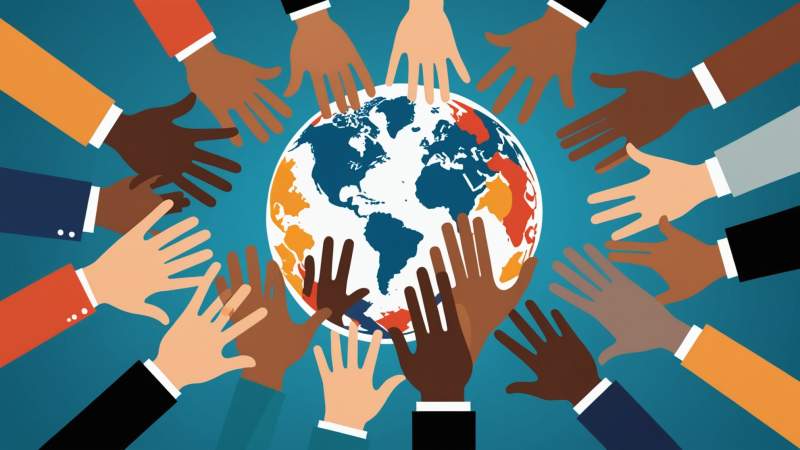
World Cultural Diversity Day for Dialogue and Development is celebrated annually on 21 May. It was proclaimed by the United Nations General Assembly in 2002 following UNESCO’s adoption of the Universal Declaration on Cultural Diversity in 2001.
The day emphasises the importance of cultural diversity as a driver of development, peace, and stability. It recognises the challenges posed by globalisation, cultural marginalisation, and the loss of languages and traditions.
This observance encourages governments, organisations, and communities worldwide to promote intercultural dialogue, protect cultural heritage, and support the rights of creative workers, fostering a more inclusive and sustainable future.
Date and International Recognition
The World Day for Cultural Diversity for Dialogue and Development was first observed on 21 May 2003. This date was officially designated following significant international actions aimed at promoting cultural diversity. In 2001, UNESCO adopted the Universal Declaration on Cultural Diversity, establishing a foundational framework for recognising the importance of cultural variety worldwide. Subsequently, in December 2002, the United Nations General Assembly passed resolution 57/249, proclaiming 21 May as the World Day for Cultural Diversity for Dialogue and Development. This resolution not only set the date for the annual observance but also called upon member states, intergovernmental bodies, UN system organisations, and relevant non-governmental organisations to raise public awareness about the value and significance of cultural diversity. The General Assembly emphasised the role of education and the media in fostering understanding and appreciation of cultural diversity’s positive contributions to society.
Celebration and Support in Australia
In Australia, the World Cultural Diversity Day for Dialogue and Development is observed annually on 21 May. This observance reflects the country’s commitment to promoting cultural diversity and fostering intercultural dialogue. Australia ratified the UNESCO Convention on the Protection and Promotion of the Diversity of Cultural Expressions on 17 October 2007, demonstrating its dedication to safeguarding and encouraging diverse forms of cultural expression. The Australian Commission for UNESCO actively participates in advancing UNESCO initiatives related to cultural diversity and intercultural dialogue, supporting efforts to enhance understanding and cooperation among different cultural communities within the nation.
The Significance and Challenges of Cultural Diversity
Cultural diversity stands as an invaluable asset and an essential condition for reducing poverty and achieving sustainable development. It acts as a driving force behind progress, fostering economic growth and enriching intellectual, emotional, moral, and spiritual life. The interconnection between diversity, dialogue, and development enables the effective consideration and optimisation of humanity’s cultural resources. Bridging cultural divides is crucial for attaining peace, stability, and development, especially given that many major global conflicts have cultural underpinnings. The narrowing of cultural diversity poses a serious threat, making the preservation of cultural heritage for future generations a pressing concern. Several factors endanger cultural diversity, including excessive protectionism of national identity, religious pressures on culture, language extinction, loss of traditions, and the marginalisation or disappearance of vulnerable cultures under the influence of globalisation.
International Documents and Commitments
The Universal Declaration on Cultural Diversity, adopted by UNESCO, serves as a foundational international document that redefines the relationship between cultural diversity, dialogue, and development. Accompanied by twenty key action areas outlined in its Plan of Action, the declaration provides a comprehensive framework for understanding and promoting cultural diversity globally. Member states of UNESCO have committed themselves to recognising, protecting, and actively promoting the benefits of cultural diversity at local, national, and international levels. This commitment is further reinforced by seven cultural conventions, which collectively establish a robust legal and normative basis for encouraging and safeguarding cultural diversity worldwide. Together, these international documents and obligations form the cornerstone of global efforts to foster dialogue and development through cultural diversity.
Contemporary Initiatives and Campaigns
In 2013, UNESCO and the United Nations Alliance of Civilizations launched the “Do One Thing” campaign to support the movement for diversity and inclusion. This campaign encourages individuals and organisations to take concrete actions that promote diversity. It aims to raise global awareness about the importance of intercultural dialogue, diversity, and integration. Through these efforts, the campaign seeks to build a worldwide community that actively supports diversity in everyday life.
The International MONDIACULT-2022 Conference
In September 2022, delegations from 150 countries convened in Mexico for MONDIACULT-2022, the largest global conference on cultural issues held in the past 40 years. This significant gathering resulted in the unanimous adoption of the Declaration on Culture, which calls for recognising culture as a “global public good” and integrating it as a standalone goal within the post-2030 development agenda. The Declaration enshrines cultural rights that should be reflected in public policy, including social and economic guarantees for creative workers, freedom of creativity, the rights of indigenous peoples to preserve traditional knowledge, and measures to protect and develop cultural and natural heritage. Furthermore, the Declaration advocates for more effective regulation of the digital sector, particularly major platforms, to safeguard cultural diversity online, uphold the intellectual property rights of creative professionals, and ensure equitable access to information for all.
Impact of the Covid-19 Crisis on Culture
The Covid-19 crisis affected the entire world and influenced all aspects of societal life, including culture. During this period, cultural events were cancelled, cultural institutions ceased operations, and UNESCO World Heritage sites were closed to visitors. This situation also posed risks such as the looting of cultural objects and an increase in poaching incidents within protected reserves. The consequences of the Covid-19 crisis are multifaceted, encompassing social, economic, and political dimensions. These impacts have affected access to culture, the social rights of artists and creative workers, and the protection of diverse forms of cultural expression.
Amid social distancing measures, billions of people turned to culture as a source of connection and engagement. There was a notable rise in online content creation, with virtual visits to museums and galleries increasing significantly. Social media platforms became venues for virtual cultural events, including activities such as choral singing. In response to these challenges, UNESCO launched a website providing information on best practices to address emerging issues, which can be adapted to national contexts. This initiative supports the cultural sector in navigating the unprecedented difficulties brought about by the pandemic.
Global Significance of the Celebration
The World Cultural Diversity Day for Dialogue and Development is observed in numerous countries across the globe. This celebration plays a crucial role in fostering a deeper awareness of the value of cultural diversity. By highlighting the richness that different cultures bring to societies, the day encourages enhanced cooperation and mutual understanding among peoples worldwide. Through its global observance, the event contributes significantly to promoting dialogue and collaboration, reinforcing the importance of cultural diversity as a foundation for peaceful and sustainable development.