Wombat Day: An Australian Celebration of Native Marsupials
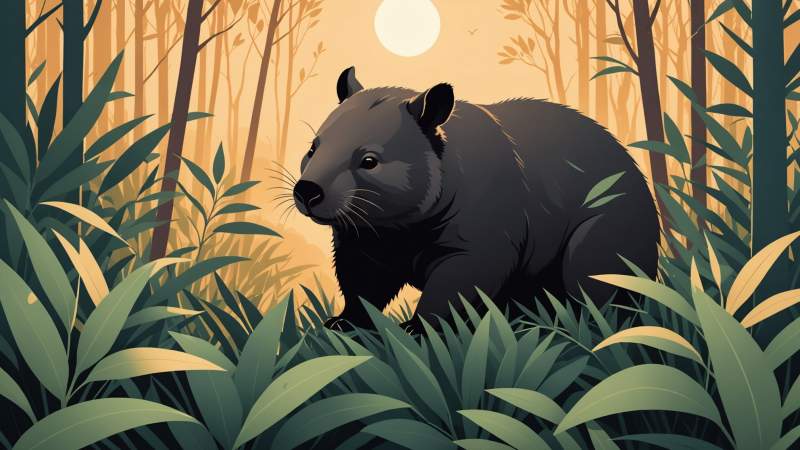
Wombat Day is an unofficial celebration observed annually in Australia on 22 October. It was first celebrated in 2005 and honours the unique native marsupial, the wombat.
Wombats are herbivorous marsupials that live exclusively in Australia. They are notable for being the largest burrowing mammals and spend much of their lives underground.
The day highlights wombat biology, conservation, and cultural significance, with Australians participating through zoo visits, themed apparel, and wombat-shaped baking.
Date and Status of the Celebration
Wombat Day is observed annually on 22 October. This day serves as an unofficial celebration in Australia, dedicated to recognising the native marsupial. The inaugural Wombat Day took place in 2005, marking the beginning of what has become a recurring annual event. Despite its unofficial status, the day has gained recognition among enthusiasts and communities interested in Australian wildlife.
Celebration in Australia
In Australia, Wombat Day is celebrated with a variety of engaging activities that highlight the affection Australians have for this native marsupial. Many people visit zoos to see wombats up close, taking the opportunity to appreciate these unique animals in a naturalistic setting. Additionally, it is common for participants to wear clothing adorned with wombat images, such as t-shirts and hoodies, which helps to visually express their enthusiasm for the day. Culinary creativity also plays a role in the festivities, with individuals preparing pies, cakes, and other baked goods shaped like wombats, adding a delicious and playful element to the celebration. Furthermore, the existence of a town named Wombat in New South Wales adds a geographical dimension to the cultural recognition of wombats within Australia.
Biological Characteristics of Wombats
Wombats are herbivorous marsupials native exclusively to Australia. They are notable for being the largest burrowing mammals, spending a significant portion of their lives underground. These nocturnal creatures emerge at night to forage for food, which includes young grass shoots, plant roots, berries, fungi, and mosses. Wombats possess a slow metabolism that allows them to digest their food over an extended period, sometimes up to two weeks. Despite their burrowing lifestyle, wombats can run at speeds comparable to that of a human. The heaviest recorded wombat weighed 38 kilograms, highlighting their robust build among marsupials.
Evolution and Phylogenetic Relationships
Wombats have a long evolutionary history, having first appeared approximately 18 million years ago during the Miocene epoch. The family of wombats today comprises three extant species, alongside five known extinct genera that contribute to their rich evolutionary background. Among the living species, two are currently not at risk of extinction, while the Queensland wombat faces significant conservation challenges. This particular species is critically endangered, with a population of just over 100 individuals remaining. These Queensland wombats inhabit a small protected reserve, highlighting the species’ precarious status. Phylogenetically, wombats are closely related to koalas, their nearest living relatives. Both wombats and koalas share a distinctive anatomical feature: their pouches are oriented backwards, an adaptation that reflects their evolutionary lineage.
Behaviour and Ecology
Wombats exhibit notable ecological behaviour, particularly in response to environmental threats such as wildfires. During such events, wombats share their burrows with other animals, providing a crucial refuge from the dangers of fire. This behaviour extends beyond mere cohabitation; wombats actively guide other animals into these safe burrows, effectively helping to protect them from harm. Such interactions highlight the wombat’s role in its ecosystem as a provider of shelter and safety during periods of environmental stress.
Conservation and Significance
Wombats hold a unique place in Australian wildlife conservation and cultural recognition. Their protection is underscored by strict regulations that prohibit the export of wombats from Australia, ensuring that these native marsupials remain within their natural habitat and under the country’s stewardship. Economically, wombats are valued domestically, with their price ranging between 500 and 1000 Australian dollars, reflecting their significance and the care required in their management. Beyond terrestrial recognition, the importance of wombats extends into space, as evidenced by the naming of an asteroid in the Main Belt after them. This celestial namesake highlights the broader cultural and scientific appreciation of wombats, symbolising their enduring presence both on Earth and in human endeavours to honour native Australian species.