
Coral Reef Awareness Day and the Importance of Reef Conservation
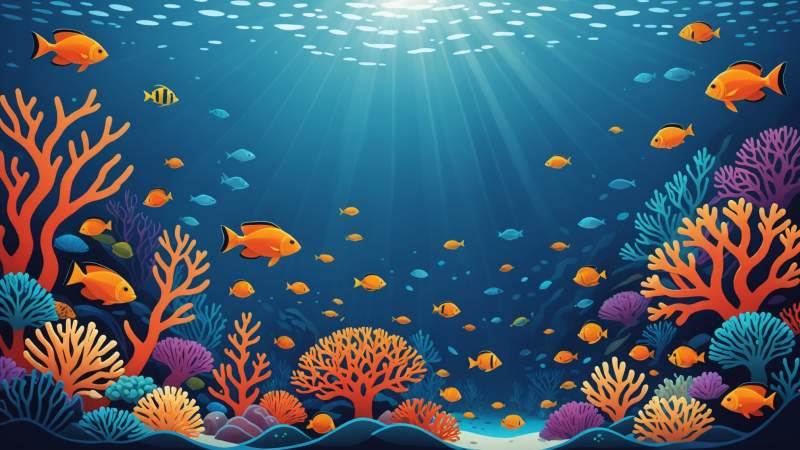
Coral Reef Awareness Day is observed annually on 1 June to highlight the significance and vulnerability of coral reef ecosystems. These marine habitats support a vast diversity of species and provide essential resources for ocean life.
Coral reefs have a long geological history, dating back over 500 million years, and have endured several mass extinction events. The Great Barrier Reef in Australia is one of the most prominent and well-studied coral reef systems in the world.
Today, coral reefs face numerous threats including bleaching caused by rising ocean temperatures, pollution, and human activities such as tourism and fishing. Efforts to protect and restore these ecosystems involve scientific research, conservation policies, and community engagement.
Date and Purpose of the Commemoration Day
Coral Reef Awareness Day is observed annually on the 1st of June. The primary purpose of this day is to raise awareness about the fragile biological systems that coral reefs represent. It serves as a dedicated occasion for individuals and communities to come together with the aim of developing ideas and methods to protect reef ecosystems from destruction. By focusing attention on the vulnerability of coral reefs, the day encourages collective efforts to ensure their preservation.
The Great Barrier Reef in Australia
The Great Barrier Reef, discovered in 1770 by British explorer Captain James Cook, is one of Australia’s most iconic natural landmarks. Cook’s encounter with the reef was accidental, as his ship ran aground on it during his voyage. Since then, the reef has been the subject of extensive study and conservation efforts. Notably, the Great Barrier Reef Expedition of 1928–1929 provided valuable insights into the reef’s complex ecosystem.
Recognised as one of the natural wonders of the world, the Great Barrier Reef is home to over 1,500 species of marine life, including rare animals such as humpback whales, loggerhead turtles, and green sea turtles. Its vast biodiversity and ecological significance have earned it protection as a UNESCO World Heritage site since 1981.
Covering an area of approximately 344,400 square kilometres, the reef is managed by the Australian Marine Parks Authority. This management includes strict regulations to minimise human impact, such as controls on sunscreen use to protect coral health. Australia also runs educational programmes and campaigns aimed at reducing the environmental footprint of tourism on the reef.
Tourism plays a major role in the reef’s profile, with over a million divers visiting annually to experience its underwater beauty. To support both conservation and visitor engagement, the reef has a dedicated volunteer programme where participants can learn diving skills and interact with marine experts.
In response to environmental challenges, the Australian government announced in 2020 a significant investment exceeding 500 million Australian dollars to aid in the reef’s restoration. Research indicates that measures such as fishing restrictions and pollution control have been effective in promoting coral recovery. Continuous monitoring remains essential to safeguard the Great Barrier Reef’s future amid ongoing climatic changes.
History and Evolution of Corals
Corals have a long and complex history that dates back approximately 500 million years or more. Initially, corals existed as simple solitary organisms, which over vast periods evolved into the complex structures known today as coral reefs. Around 440 million years ago, during the Ordovician-Silurian glaciation, a significant decline in sea temperatures led to a mass disappearance of corals, an event now recognised as the Ordovician-Silurian extinction. Following this, corals began to reappear about 410 million years ago in the Devonian period. It was towards the end of this period that stony corals emerged, forming rare reef structures for the first time. However, this resurgence was not permanent; approximately 350 million years ago, corals again vanished due to unstable sea levels. After a hiatus of roughly 100 million years, corals re-emerged, only to face another catastrophic event 250 million years ago during the Permian-Triassic extinction. This extinction event, which affected over 90% of marine species, was driven by decreased oxygen levels and increased carbon dioxide concentrations in the oceans, leading to the near-total destruction of coral populations. Coral reefs as we recognise them today first appeared around 46 million years ago but disappeared in the mid-Eocene epoch. Remarkably, coral reefs re-established themselves 20 million years later, eventually giving rise to formations such as the Great Barrier Reef in Australia. This evolutionary journey highlights the resilience and adaptability of corals through multiple global environmental upheavals.
Contemporary Threats to Coral Reefs
In recent years, some of the most valuable coral reefs have been shrinking due to coral bleaching, a phenomenon closely linked to rising ocean temperatures. Since 1980, mass coral bleaching events have been recorded, triggered by elevated sea temperatures. This trend has had a devastating impact on reefs such as the Great Barrier Reef, which has lost more than half of its corals since 1995. The loss intensified in 2016 when a combination of the El Niño weather event and global warming destroyed one-third of the reef’s corals. Besides temperature-induced bleaching, toxic pollution also contributes significantly to reef degradation. The use of harmful sunscreens and increased tourism further threaten the health of coral ecosystems. Additionally, coral reefs are gradually disappearing due to coral mining and overfishing, which disrupt the delicate balance of reef environments. The cumulative effect of these factors, including excessive ultraviolet radiation, has accelerated the decline of coral reefs worldwide.
Ecological Significance of Coral Reefs
Coral reefs play a crucial ecological role in marine environments, supporting more than 25% of all marine species. These ecosystems provide essential habitats that serve as both food sources and shelter, enabling the survival of a vast array of marine life. The complex structures formed by coral reefs create diverse niches, fostering biodiversity and maintaining the balance of oceanic ecosystems. The dependence of such a significant proportion of marine organisms on coral reefs highlights their importance in sustaining healthy and productive seas.