Bandana Day: Awareness and Support for Cancer Patients
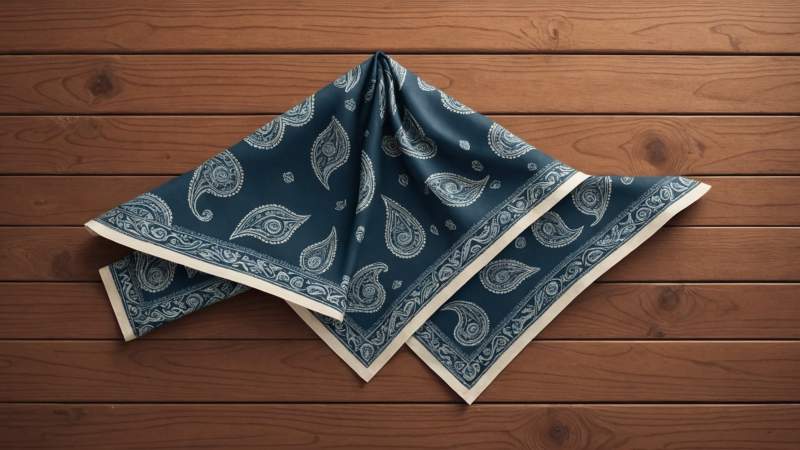
Bandana Day is an annual event held on the last Friday of October to raise awareness and support for people living with cancer. It recognises the significance of bandanas as a head covering for patients experiencing hair loss caused by chemotherapy and other treatments.
The bandana, with origins in South Asia and the Middle East dating back to the late 17th century, became popular in Western countries through trade and cultural exchange. Over time, it has served various social, political, and personal purposes, including as a symbol for cancer patients.
Organised by the Australian charity CanTeen, Bandana Day focuses on young people aged 12 to 24 living with cancer. The event highlights the emotional and psychosocial challenges of hair loss and promotes the bandana as a source of comfort, protection, and identity.
Date and Organisation of Bandana Day
Bandana Day is observed annually on the last Friday of October. This event has been organised by the Australian charity CanTeen since 2006. CanTeen, founded in 1994, is dedicated to supporting young people aged 12 to 24 who are living with cancer. The idea of Bandana Day is attributed to CanTeen, which uses the occasion to raise awareness and provide support for young cancer patients. Each year, CanTeen leads the Bandana Day activities to engage the community and highlight the challenges faced by young people affected by cancer.
The Role of the Bandana in Australia and Support for Cancer Patients
Bandana Day in Australia plays a significant role in supporting individuals affected by cancer, serving as a platform to raise awareness and foster solidarity among those who wear this distinctive accessory. The bandana has become a powerful visual symbol for many cancer patients undergoing chemotherapy, who often use it to cover their heads. This practice is not merely aesthetic; bandanas provide practical protection for the sensitive skin of the scalp, which can be particularly vulnerable during treatment.
Chemotherapy and potent anticancer drugs frequently cause severe hair loss, a side effect medically referred to as an “adverse hair event.” Hair loss is one of the most common and distressing consequences of cancer treatment, profoundly impacting patients’ quality of life. Individuals of all ages experience psychological and psychosocial reactions to this change, with surveys indicating that hair loss is among the most traumatic effects of chemotherapy. In fact, approximately 8% of patients have reported that they would consider refusing chemotherapy altogether due to the prospect of losing their hair.
Children undergoing cancer treatment are especially susceptible to social isolation stemming from hair loss, highlighting the emotional and social challenges faced by young patients. To cope with these difficulties, many patients turn to alternative head coverings, with bandanas being a popular choice. Beyond their protective function, bandanas can also enhance appearance and uplift mood, offering a small but meaningful boost to patients navigating the hardships of cancer therapy. Through these roles, the bandana has become more than just an accessory; it is a symbol of resilience and community support within the Australian cancer care landscape.
History and Origin of the Bandana
The word “bandana” originates from the Hindi terms “Badhnati” or “Badnahati,” which mean “to tie.” The history of the bandana dates back to the late seventeenth century in South Asia and the Middle East. During the eighteenth century, with the expansion of trade with the Far East, the bandana made its way to the Western world. The Dutch East India Company played a significant role in importing cashmere bandanas, which became highly popular among women. This growing demand led to an increase in the price of bandanas, making them accessible only to the upper classes of society. In response to this demand, England and Scotland began producing their own shawl-like bandanas. Meanwhile, in Portugal, bandanas were renamed “bandanoe.” Over time, the term “bandana” became widely adopted. The patterns on bandanas evolved throughout the years, reflecting the cultural and national influences of different regions.
The Spread and Use of the Bandana in America
The bandana’s introduction and popularisation in America can be traced back to Martha Washington, the wife of George Washington. In 1776, Martha Washington played a pivotal role in bringing the bandana into the American colonies. During this period, she showed revolutionary engraver John Huson designs of militia flags and cannons, hoping that he could print these images. The following year, the Washington family received a package from Huson containing an image of General George Washington on horseback, printed on fabric. This portrait, commissioned by Martha Washington and printed by Huson, marked an early example of the bandana’s use in America. Since its arrival, the bandana has been employed for political purposes, reflecting its symbolic significance during the revolutionary era. Over time, its use expanded beyond politics to encompass a wide range of social and personal functions, demonstrating the bandana’s versatility and enduring presence in American culture.
The Bandana in the 20th Century: Fashion and Symbolism
Throughout the 20th century, the bandana evolved beyond a simple accessory to become a significant symbol in various cultural and social contexts. In the 1940s, women commonly used bandanas to tie back their hair, preventing it from becoming dishevelled in windy conditions. This practical use highlighted the bandana’s role in everyday fashion and functionality during that era. Moving into the early 1950s, the bandana took on a political dimension when President Dwight D. Eisenhower printed his campaign slogan, “Victory with Ike for President,” on bandanas distributed to the public in 1952. This use of the bandana as a promotional tool demonstrated its versatility and wide appeal.
The 1970s saw the bandana adopt a more covert role within the LGBT communities, where it served as a secret code for identifying individuals. This symbolic use underscored the bandana’s capacity to convey messages beyond its physical appearance. Later, in the 1990s, the bandana became a distinctive element in the music scene, with artists from various genres creating their own signature bandanas. Notably, musicians such as Willie Nelson and Tupac incorporated bandanas into their personal styles, further cementing the accessory’s place in popular culture. These diverse uses throughout the century illustrate the bandana’s enduring significance as both a fashion item and a symbol.