Friendship Postcard Day and the Tradition of Sending Cards
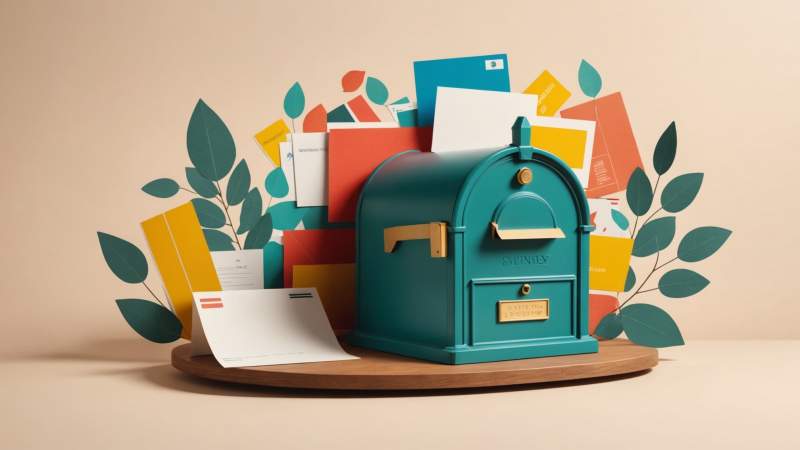
Friendship Postcard Day is celebrated every year on 7 February, dedicated to maintaining the tradition of sending paper postcards to friends. This custom was especially popular during the 19th and 20th centuries as a way to express feelings and stay connected across distances.
Despite the rise of digital communication, handwritten postcards continue to hold a special charm. They serve as symbols of attention, gratitude, and friendly support, often becoming pleasant surprises and memorable keepsakes.
In Australia, postcards frequently feature cultural and natural icons such as the Sydney Opera House, Aboriginal designs, and the Great Barrier Reef. Australia Post supports this tradition by offering environmentally friendly postcards made from recycled paper.
Date and Meaning of the Holiday
Friendship Postcard Day is celebrated annually on the 7th of February. This day is dedicated to preserving the tradition of sending paper postcards, emphasising the value of maintaining this personal and tangible form of communication among friends. The holiday serves as a reminder of the enduring charm and significance of handwritten messages in an increasingly digital world.
Celebration Features in Australia
In Australia, the tradition of sending postcards is deeply intertwined with the country’s cultural and natural heritage. Australia Post has played a significant role in this tradition, having issued postcards featuring kangaroos as early as the 1850s. This early adoption highlights the longstanding popularity of postcards in Australian society. Each year, Australians send millions of Christmas postcards, reflecting the importance of this custom during the holiday season. Iconic landmarks such as the Sydney Opera House frequently appear on Australian tourist postcards, serving as a symbol of national pride and a popular souvenir for visitors. Additionally, Aboriginal motifs are widely embraced in postcard designs, showcasing the rich Indigenous culture and artistic heritage of the country. Environmental consciousness is also evident, with Australia Post promoting eco-friendly postcards made from recycled paper. On Australia Day, celebrated on 26 January, Australians exchange patriotic postcards, further emphasising the role of postcards in expressing national identity. Collectors value vintage postcards from Melbourne as cultural heritage items, preserving a glimpse into the past. Among the most sought-after postcards for tourists are those featuring the Great Barrier Reef, which remain consistent bestsellers due to their stunning natural imagery. Together, these elements illustrate the unique characteristics of postcard sending in Australia, blending tradition, culture, and environmental awareness.
History and Significance of the Tradition
The tradition of sending postcards gained particular popularity during the nineteenth and twentieth centuries, becoming a cherished means of communication. Postcards evolved into symbols of attention and a way to convey emotions across distances, allowing individuals to express gratitude and offer friendly support. In an era dominated by mobile communication and electronic mail, the act of sending a physical postcard can serve as an unexpected and delightful surprise. Handwritten postcards retain a unique charm amid the prevalence of digital technologies, offering a personal touch that digital messages often lack. Such a small gesture, embodied in a postcard, can hold great meaning for a friend and brighten their day, transforming a simple note into a memorable keepsake.
Methods of Creating Postcards
Postcards can be obtained in two primary ways: purchasing them from a store or creating them independently. For those who choose to make their own postcards, traditional crafting materials such as paper, markers, and glue are commonly used. This hands-on approach allows for personalisation and creativity in the design process. Alternatively, postcards can be produced using digital tools. Computers, specialised software, and printers offer another method for creating customised postcards, combining modern technology with the tradition of sending personalised messages.