• International Bicycle Day

    International Bicycle Day is observed annually on 19 April to recognise the significance of bicycles as a mode of transport, sport, and recreation. The first bicycle prototype was created in 1817 by German inventor Karl von Drais, featuring wooden components without pedals. The day promotes cycling through mass rides, competitions, and the opening of new cycling infrastructure. It emphasises health benefits, environmental protection, and social equity associated with sustainable transport. In Australia, events like Sydney Bike Day and government investments in cycling infrastructure support these goals.


  • UN Chinese Language Day

    United Nations Chinese Language Day is observed annually on 20 April to promote multilingualism and cultural diversity. Established in 2010 alongside other UN language days, it honours Cangjie, the legendary founder of Chinese writing. The date coincides with the start of the ‘Guyu’ season, symbolising agricultural abundance. The day features cultural events such as art exhibitions, lectures, and performances, highlighting the importance of the Chinese language globally and within the UN framework.

  • World Creativity and Innovation Day

    World Creativity and Innovation Day is celebrated annually on 21 April to emphasise the importance of creativity and innovation in achieving sustainable development goals. Established by the UN General Assembly in 2017, the day recognises creativity as a driver of economic growth, social inclusion, and environmental preservation. The date connects to Earth Day and Leonardo da Vinci’s birthday, symbolising the link between creativity, science, and the planet. The event encourages governments, science, education, and business sectors to support creative thinking and innovation worldwide.

  • Brazil Discovery Day

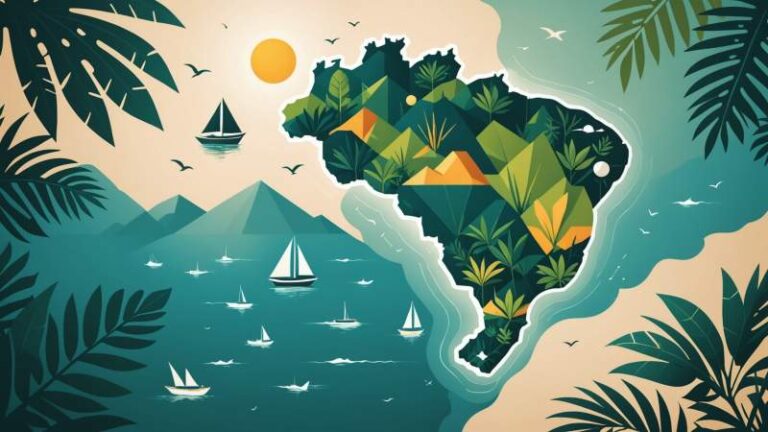
    Brazil Discovery Day is observed on 22 April to commemorate the landing of Pedro Álvares Cabral on the South American coast in 1500. This event marked the beginning of Portuguese colonisation and the establishment of Brazil as a Portuguese territory under the Treaty of Tordesillas. Brazil, the largest country in South America and the only Portuguese-speaking nation on the continent, was initially inhabited by indigenous peoples living semi-nomadic lifestyles. The Portuguese divided the coastline into captaincies and began settlement, which evolved into a colony ruled directly by the Portuguese crown.

  • Earth Day

    Earth Day is celebrated globally on 22 April each year to increase awareness of environmental issues and support conservation efforts. The first Earth Day took place in the United States in 1970, involving 20 million participants. It was inspired by environmental concerns raised in the 1960s, including Rachel Carson’s book Silent Spring and major pollution events. Since then, Earth Day has grown into a worldwide movement with over a billion participants and has influenced significant environmental legislation. Australia actively participates in Earth Day, with a history of environmental activism dating back to the 1960s.

  • UN English Language Day

    United Nations English Language Day is observed annually on 23 April to celebrate the English language and its cultural heritage. The date coincides with the birth and death of William Shakespeare, a pivotal figure in English literature. Established in 2010 by the UN Department of Public Information, the day aims to promote multilingualism and cultural diversity. English is one of the six official languages of the United Nations and serves as a working language of the Secretariat. Events include round tables, conferences, exhibitions, and language lessons to engage participants worldwide.

  • Take Our Daughters and Sons to Work Day

    Take Our Daughters and Sons to Work Day is a non-profit educational program encouraging parents to bring their children to the workplace for a day. Originating in the United States in 1993, the event expanded in 2003 to include boys alongside girls. It is observed annually on the fourth Thursday of April in Australia, the US, and Canada. Australian companies use the day to introduce children to workplace safety and various career paths, often organising tailored events in major cities. The program also supports community inclusion by recommending participation from children in local shelters.

  • Kapyong Battle Day

    Kapyong Battle Day commemorates the pivotal battle during the Korean War where United Nations forces, primarily Canadian and Australian troops, achieved a decisive victory against Chinese forces. The battle took place in the Kapyong Valley, blocking a major Chinese offensive aimed at capturing Seoul. Despite being outnumbered, the 27th Commonwealth Infantry Brigade, including key Canadian and Australian battalions, held their positions and inflicted heavy losses on the enemy. This victory prevented a breakthrough on the central front and is remembered as a significant military achievement for both Canada and Australia.

  • ANZAC Day

    ANZAC Day is observed annually on 25 April in Australia and New Zealand to honour the Australian and New Zealand Army Corps (ANZAC) soldiers. The day commemorates the landing at Gallipoli in 1915, where ANZAC troops faced heavy resistance and suffered significant casualties. Initially dedicated to those who died in the First World War, the day now honours all soldiers who have served in conflicts involving Australia and New Zealand. Traditional ceremonies include church services, veteran marches, and wreath-laying at war memorials.

  • International Flamingo Day

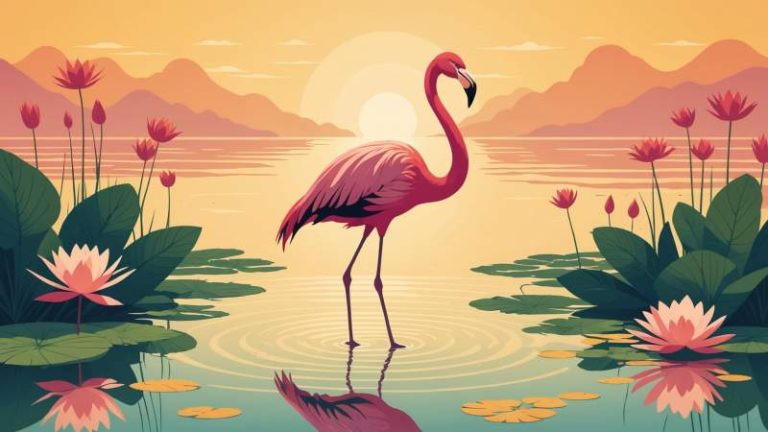
    International Flamingo Day is observed annually on 26 April to promote awareness and conservation of the six flamingo species worldwide. Established in 2020 by the Flamingo Specialist Group, the day honours the birthday of John James Audubon, who illustrated the red flamingo in his book ‘Birds of America’. The celebration highlights the differences among flamingo species, their habitats, and the importance of wetland conservation. Flamingos belong to the family Phoenicopteridae, comprising three genera and six species native to the Americas and Afro-Eurasia. The day also emphasises the role of global networks and organisations in protecting these iconic birds.

  • Australian Hugs Day

    Australian Hugs Day is an international celebration held annually on 26 April. The event encourages sharing hugs with Australian friends as a physical expression of affection, support, and joy. Created by Ruth and Thomas Roy, the day highlights the importance of recognising Australians’ friendliness and warmth. Hugs are known to have positive psychological effects, improving mood and fostering connection. The celebration honours Australia’s rich cultural heritage and the spirit of community.

  • World Graphic Design Day

    World Graphic Design Day is celebrated annually on 27 April to recognise the influence of graphic design on culture, communication, and business. Established by the International Council of Design Associations, the day highlights the profession’s commitment to innovation and social responsibility. The event encourages designers to consider human wellbeing and diversity in their work. It also promotes dialogue on industry challenges and the evolving role of design in society.

  • World Day for Safety and Health at Work

    The World Day for Safety and Health at Work, observed on 28 April, was established by the International Labour Organization to promote occupational safety and health culture globally. Originating from the Workers’ Memorial Day in North America, it aims to reduce workplace fatalities and injuries by raising awareness of unresolved safety issues. Activities occur in over 100 countries, involving governments, employers, unions, and safety professionals. The day emphasises prevention, rights, and responsibilities in workplace safety, with Australia actively participating through legislation, training, and awareness campaigns.

  • Workers' Memorial Day

    Workers’ Memorial Day is an international observance held annually on 28 April to remember workers who have died due to occupational injuries or diseases. Originating in North America, the day gained recognition following the establishment of OSHA in 1971 and was officially declared by labour organisations in 1989. The International Labour Organization adopted it as the World Day for Safety and Health at Work in 2001. In Australia, the day is marked by ceremonies, wreath-laying, and safety campaigns led by unions and government agencies to promote safer working conditions.

  • Global Pay It Forward Day

    Global Pay It Forward Day is observed annually on 28 April to inspire people globally to perform small acts of kindness. The movement is based on the 1999 novel by Catherine Ryan Hyde, which tells the story of a boy who creates a plan encouraging people to help others instead of repaying favours directly. Initiated by Australian writer Blake Bitty in 2007, the day has spread to over 85 countries. In Australia, the event is supported by communities, schools, and businesses through various campaigns and charitable activities.

  • International Dance Day

    International Dance Day is observed annually on 29 April, established by the UNESCO International Dance Council in 1982. The date commemorates the birthday of Jean-Georges Noverre, a French ballet master and reformer regarded as the founder of modern ballet. Noverre pioneered the concept of ballet as an independent dramatic art form. The day aims to unite all dance styles and celebrate dance as a universal art that transcends cultural and political boundaries. In Australia, the day is marked by festivals, performances, and educational events promoting inclusivity and diversity in dance.

  • International Jazz Day

    International Jazz Day, established by UNESCO in 2011 and first celebrated in 2012, is observed annually on 30 April. The day highlights jazz as a powerful force for peace, unity, and intercultural dialogue. Originating in the United States as a blend of African and European cultures, jazz is known for its rhythm, improvisation, and innovation. UNESCO supports this celebration through concerts, educational events, and global cooperation, emphasising jazz’s role in promoting gender equality and social inclusion.

  • Guerrilla Gardening Day

    International Guerrilla Gardening Day is observed on 1 May, encouraging participants to cultivate sunflowers or suitable alternative plants in their regions. Guerrilla gardening involves growing plants on land without legal permission, often on neglected or abandoned sites, aiming to enhance environmental quality and aesthetics. The practice has historical roots with figures like Gerrard Winstanley and John Chapman and was popularised by the Green Guerrilla group in 1973. This day was established in 2007 by gardeners in Brussels and is recognised in over 30 countries, including Australia, where local adaptations and legal initiatives coexist with the guerrilla gardening spirit.

  • May Day

    May Day, observed on 1 May, is a significant cultural and labour-related event celebrated worldwide. It originates from ancient Celtic festivals marking spring and fertility, including customs like dancing around maypoles and decorating with flowers. The day also became internationally recognised as a workers’ rights celebration, advocating for the eight-hour workday. In Australia, May Day traditions are linked to early labour movements, with annual marches and events supporting workers’ rights and social justice. The festival combines folkloric spring rituals with the commemoration of labour achievements.

  • International Pilates Day

    International Pilates Day is observed on the first Saturday of May to honour the legacy of Joseph Pilates, who believed in the transformative power of physical fitness. The day promotes mindful and purposeful movement, uniting Pilates studios and practitioners worldwide. It emphasises accessibility, education, and community, with events held in over 50 countries. Modern evolutions like FS8 combine Pilates, toning, and yoga to offer inclusive and effective workouts suitable for all bodies and fitness levels. The day also highlights Pilates’ integration into physical education and rehabilitation programs, particularly in Australia.

  • Wild Koala Day

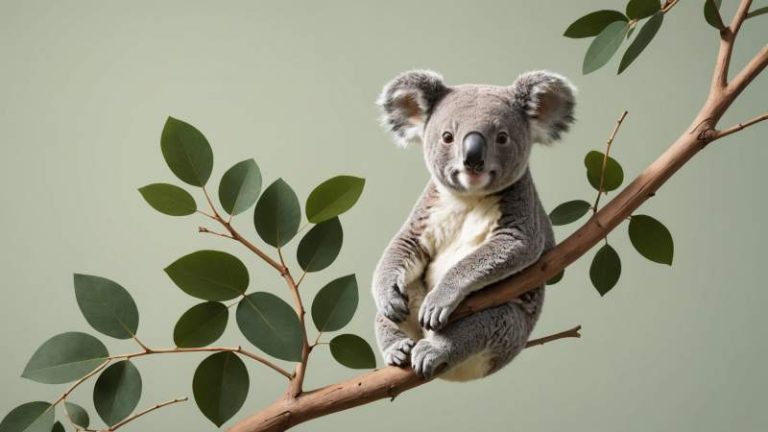
    Wild Koala Day is observed annually on 3 May in Australia to highlight the importance of conserving wild koalas. Established in 2016 by independent koala conservation groups, the day promotes awareness of koalas’ unique biology and the threats they face. Koalas are arboreal marsupials native to coastal regions of eastern and southern Australia, primarily feeding on eucalyptus leaves. The species is listed as vulnerable due to habitat loss, urbanisation, and other environmental pressures. Activities on Wild Koala Day include tree planting, fundraising, and educational events to support koala protection.