International Day of Indigenous Peoples and Their Rights

The International Day of Indigenous Peoples is observed every year on 9 August. It was established by the United Nations General Assembly in 1994 to recognise and promote the rights of indigenous peoples worldwide.
This day marks the anniversary of the first meeting of the Working Group on Indigenous Populations held in 1992. It serves as a platform to raise awareness about the unique cultures, traditions, and challenges faced by indigenous communities.
The observance is linked to international efforts such as the International Decades of Indigenous Peoples and the adoption of the UN Declaration on the Rights of Indigenous Peoples, which affirm their rights to cultural preservation, self-identification, and social development.
Date and Establishment of the Commemorative Day
The International Day of Indigenous Peoples is observed annually on 9 August. This date was chosen to commemorate the first meeting of the Working Group on Indigenous Populations, which took place on 9 August 1992 under the Sub-Commission on the Promotion and Protection of Human Rights. The day was officially established in 1994 by the United Nations General Assembly through resolution A/RES/49/214. Since then, 9 August has served as a dedicated occasion to recognise and raise awareness about the rights and cultures of indigenous peoples worldwide.
Characteristics and Rights of Indigenous Peoples in Australia
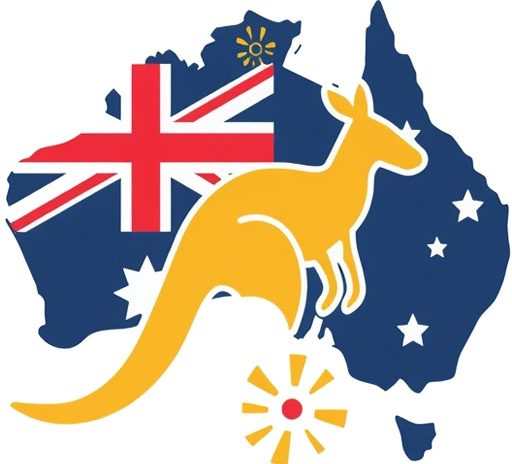
In Australia, the Indigenous peoples officially recognised are the Aboriginal peoples and Torres Strait Islander peoples, who hold distinct cultural and legal statuses within the national legislative framework. The National Constitutional Recognition Act of 2013 symbolically acknowledged Indigenous peoples in federal law, marking an important step in recognising their unique place in Australian society. Furthermore, the Native Title Act 1993 legally recognises the rights of Indigenous peoples to their traditional lands and waters under specific conditions, providing a foundation for land rights claims.
The Australian Human Rights Commission plays a crucial role in protecting the rights of Aboriginal and Torres Strait Islander peoples through a dedicated mandate held by the High Commissioner for Indigenous Issues and Racial Discrimination. Complementing this, the National Indigenous Australians Agency coordinates government policies related to Indigenous affairs, ensuring a focused approach to Indigenous matters.
Language preservation is a significant concern, as many Aboriginal and Torres Strait Islander languages are among the most endangered. Numerous communities actively engage in programs aimed at revitalising these languages and facilitating their transmission across generations. Cultural recognition is also expressed through annual events such as NAIDOC Week, which celebrates the history, culture, and achievements of Indigenous Australians.
Commemorative observances hold a vital place in acknowledging past injustices. National Sorry Day on 26 May honours the memory of Indigenous children forcibly removed from their families under government policies, while National Apology Day on 13 February marks the official government apology for these actions. Notably, in 2008, Prime Minister Kevin Rudd formally apologised on behalf of the Australian government for historical wrongs, including the forced separation of Indigenous children.
In 2017, the Uluru Statement from the Heart was adopted, wherein Indigenous leaders called for constitutional recognition through the establishment of a representative Indigenous body and the initiation of a process of truth-telling and treaty-making. This declaration reflects ongoing efforts to secure meaningful recognition and rights for Indigenous peoples within Australia’s constitutional framework.
International Initiatives and Decades
The international community has demonstrated sustained commitment to the rights and dignity of Indigenous peoples through a series of dedicated decades and initiatives. The first International Decade of the World’s Indigenous People commenced in 1995, marking a significant step in global recognition. Building on this foundation, the United Nations General Assembly proclaimed the Second International Decade of the World’s Indigenous People for the period 2005–2014, under the theme “Decade of Action and Dignity.” This decade aimed to focus attention on concrete actions to protect Indigenous rights and to strengthen international cooperation in addressing challenges related to education, health, human rights, the environment, and socio-economic development.
In 2015, a comprehensive system-wide action plan was developed to promote the rights of Indigenous peoples, ensuring a coordinated approach towards achieving the objectives outlined in the UN Declaration on the Rights of Indigenous Peoples. Further emphasising the importance of cultural preservation, the General Assembly declared 2019 as the International Year of Indigenous Languages, highlighting the critical issue of language loss and the urgent need for their preservation and revitalisation.
Continuing this focus, 2022 marked the beginning of the International Decade of Indigenous Languages. In February 2020, a high-level event organised by UNESCO titled “Implementing the Decade of Action for Indigenous Languages” resulted in the publication of a strategic roadmap. This roadmap prioritises the empowerment of Indigenous language speakers, underscoring the global effort to safeguard and promote Indigenous linguistic heritage.
Declaration and Rights of Indigenous Peoples
The Declaration on the Rights of Indigenous Peoples was adopted on 13 September 2007, marking a significant milestone in recognising the rights and identities of indigenous communities worldwide. Central to the Declaration is the principle that the fundamental criterion for identifying an indigenous people is their own self-identification as such. This self-awareness is crucial, as indigenous peoples have the right to determine their ethnic affiliation according to their customs and traditions. The Declaration affirms a broad spectrum of rights for indigenous peoples, including the rights to freedom and equality, the determination of their political status, and the pursuit of economic, social, and cultural development. It also emphasises the importance of respecting and revitalising cultural traditions, establishing and controlling educational systems, and participating in decision-making processes. Furthermore, the Declaration recognises indigenous peoples’ rights to their lands, territories, and resources, as well as to the means necessary for their survival and development. Together, these provisions establish a comprehensive framework aimed at protecting and promoting the dignity, identity, and well-being of indigenous peoples globally.
Socio-economic Situation and Challenges
Indigenous peoples represent approximately 6% of the global population, yet they account for 15% of the world’s poorest individuals. This disproportionate level of poverty highlights the significant socio-economic challenges faced by these communities. The COVID-19 pandemic has further exacerbated these difficulties, impacting indigenous peoples more severely than other groups. Many indigenous communities were already grappling with poverty, health issues, discrimination, institutional instability, and financial insecurity prior to the pandemic. Additionally, in numerous countries, indigenous peoples have been excluded from the social contracts established between dominant population groups, which has contributed to their marginalisation and limited access to resources and opportunities. These factors collectively underscore the urgent need to address the socio-economic disparities and systemic challenges confronting indigenous peoples worldwide.