
World Hello Day and Its Role in Promoting Peace
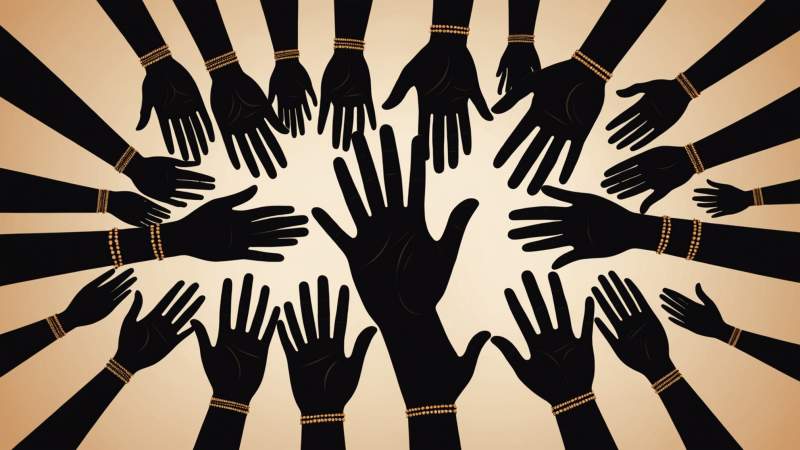
World Hello Day is an annual event held on 21 November to draw attention to the importance of personal communication in preserving peace. It was created in 1973 by American brothers Michael and Brian McCormack as a response to conflict during the Cold War.
The brothers sent greeting letters worldwide, encouraging recipients to greet at least ten people to promote goodwill. This idea has since been embraced by more than 180 countries and is observed by people of various professions and ages.
In Australia, World Hello Day is acknowledged mainly through initiatives by schools, libraries, and community groups. The local culture values informal greetings, friendliness, and straightforward communication, aligning well with the event’s purpose.
Date and Purpose of the Holiday
World Hello Day is observed annually on 21 November. The primary purpose of this day is to draw public attention to the importance of personal communication in maintaining peace. By emphasising direct interpersonal interaction, the holiday seeks to promote understanding and harmony among individuals and communities. This focus on personal connection underlines the role of simple greetings as a means to foster peaceful relations worldwide.
History and International Recognition
World Hello Day was established in 1973 by American brothers Michael and Brian McCormack as a response to the conflict between Egypt and Israel during the Cold War. The McCormack brothers initiated the celebration by sending letters to various countries around the world, encouraging recipients to greet at least ten other people. This simple yet powerful idea aimed to promote peace through the universal act of greeting. Over time, the concept gained widespread support, with more than 180 countries embracing World Hello Day. The observance transcends social and professional boundaries, being celebrated by individuals of all ages and occupations, including political leaders, industrial magnates, and well-known public figures. This broad international recognition underscores the day’s significance as a symbol of goodwill and peaceful communication across diverse communities.
The Significance and Etiquette of Greetings
Greetings, while not conveying specific information, possess a unique power to foster a positive atmosphere and influence subsequent interactions. Their role extends beyond mere words, serving as a catalyst for goodwill and constructive engagement. In the context of international meetings, the etiquette surrounding greetings is universally consistent, reflecting shared values across cultures. This common protocol includes expressing wishes for peace, kindness, health, prosperity, and success. Such uniformity in greeting etiquette underscores the importance of mutual respect and the promotion of harmonious relations among diverse peoples, aligning closely with the principles celebrated on World Hello Day.
Celebration Features and Etiquette in Australia
In Australia, World Hello Day is not recognised as an official public holiday and is primarily observed through initiatives by schools, libraries, and community organisations. The nature of greetings in both business and everyday contexts tends to be informal, with a simple “Hello” or a handshake often considered sufficient. Australians typically address each other by their first names, avoiding excessive formality or emphasis on titles. This approach reflects the broader cultural values of friendliness and straightforwardness, which are highly regarded and align well with the spirit of personal greetings. Social interactions frequently begin with brief conversations about sports, leisure, or daily matters, making greetings a natural gateway to more extended communication. Within Australian business etiquette, punctuality, respect for personal space, and a lack of overt self-promotion are characteristic, further shaping the way greetings are exchanged in professional settings.