
World Food Day and Global Food Security Initiatives
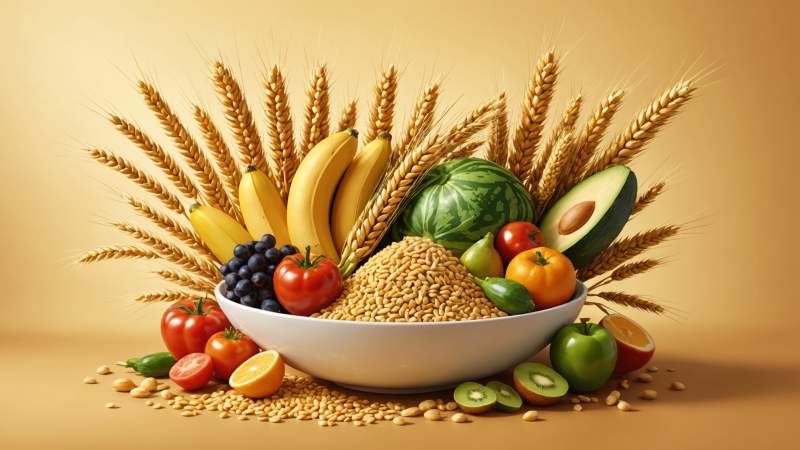
World Food Day is an international observance held annually on 16 October. It marks the anniversary of the establishment of the Food and Agriculture Organization (FAO) of the United Nations in 1945.
The day was proclaimed in 1979 to draw global attention to the challenges of hunger and malnutrition. It serves as a platform to promote efforts towards food security and sustainable agriculture worldwide.
The FAO coordinates World Food Day activities, with themes each year highlighting critical issues such as poverty alleviation, climate change, and sustainable food systems. Australia, as a member of the FAO, participates actively through national campaigns and partnerships with food banks.
Date and Establishment of the Holiday
World Food Day is observed annually on 16 October. This date was chosen to commemorate the anniversary of the founding of the Food and Agriculture Organization of the United Nations (FAO). The day was officially proclaimed in 1979, establishing a global occasion dedicated to raising awareness about food-related issues.
Role and Celebration in Australia
Australia, as a member state of the Food and Agriculture Organization (FAO) of the United Nations, actively participates in the organization’s efforts to ensure global food security. Within Australia, World Food Day is observed through a variety of events coordinated by national and local FAO partner offices, charitable foundations, and educational institutions. These activities often include public campaigns aimed at raising donations for food banks and support programs targeting vulnerable populations.
Food banks such as Foodbank Australia play a central role in the country’s World Food Day initiatives, organising campaigns to combat food insecurity. The statistical data provided by the FAO and the World Food Programme are utilised in Australia to inform the planning of both national and local programmes designed to reduce food insecurity and malnutrition. Additionally, the Australian government leverages World Food Day as an opportunity to release information about its national strategy on food security and sustainable agriculture, thereby raising public awareness and promoting policy engagement.
History of the Creation of the FAO
The establishment of the Food and Agriculture Organization of the United Nations (FAO) was preceded by the International Conference on Food and Agriculture, held in May 1943 in Hot Springs, USA, during the Second World War. This conference brought together representatives from 44 countries who became the founding members of the FAO. Subsequently, the founding conference of the FAO took place in Quebec, Canada, from 16 October to 1 November 1945. During this conference, the creation of the Food and Agriculture Organization was officially proclaimed. The conference also approved the draft constitution of the organization along with other proposals developed by the Interim Commission. The FAO was formally established on 16 October 1945, marking a significant milestone in international efforts to address food and agricultural issues globally.
Structure and Activities of the FAO
The Food and Agriculture Organization (FAO) is composed of more than 190 member states, reflecting its broad international mandate. Initially headquartered in Washington, D.C., USA, the FAO’s main office is now located in Rome, Italy. As a specialised agency within the United Nations system, the FAO focuses on addressing issues related to rural development and agricultural advancement across various countries worldwide. Central to its mission is the reduction of poverty and hunger, which remains a critical global challenge. The organisation also plays a key role in coordinating World Food Day, serving as the principal UN body dedicated to food and agriculture matters.
Hunger Issues and Statistics
According to the Food and Agriculture Organization (FAO) statistics from 2018, hunger remains a critical global issue affecting a significant portion of the world’s population. Approximately one in every nine people worldwide suffers from undernourishment. This translates to around 820 million individuals experiencing hunger. The impact of food insecurity is particularly severe among children, with about 155 million children suffering from wasting, a condition caused by acute malnutrition. Furthermore, undernourishment is a major contributing factor to infant mortality, accounting for nearly 50% of all infant deaths. These statistics highlight the urgent need to address hunger and malnutrition as part of global food security efforts.
Goals and Significance of World Food Day
World Food Day serves as a vital platform for drawing global attention to the pressing issue of hunger. Established as one of the United Nations’ special observance days, it aims to raise public awareness about hunger and malnutrition worldwide. Each year, World Food Day adopts a specific theme that highlights priority areas within the global agenda of the Food and Agriculture Organization (FAO). These themes often focus on critical topics such as sustainable food systems, climate change, and poverty reduction. For instance, in 1999, the theme was “Youth Against Hunger,” emphasising the role of young people in combating hunger. The following year, 2000, the theme “Millennium to Free Hunger” reflected a broader commitment to eradicating hunger in the new millennium. More recently, in 2014, the theme “Family Farming: Feeding the World, Caring for the Planet” underscored the importance of family farms in ensuring food security while preserving the environment. Through these annual themes and its ongoing observance, World Food Day plays a crucial role in mobilising global efforts and fostering a deeper understanding of the challenges and solutions related to hunger.