Halloween: History, Traditions, and Celebration in Australia
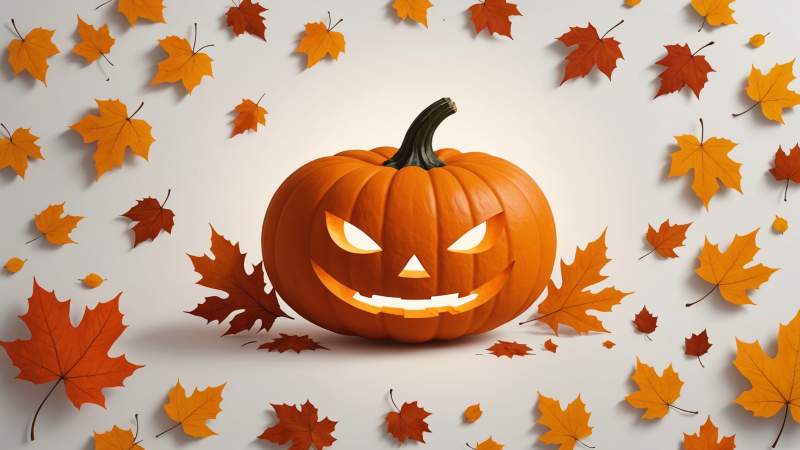
Halloween is observed on 31 October and has a rich history rooted in ancient Celtic, Roman, and early Christian traditions. The term ‘Hallowe’en’ originally referred to the evening before All Saints’ Day, reflecting its religious significance.
The festival incorporates customs such as wearing costumes, lighting fires, and apple bobbing, which trace back to Celtic Samhain celebrations and Roman influences. Over time, Christian observances merged with these older practices.
In Australia, Halloween is widely celebrated as a secular event, particularly among families and children who engage in trick-or-treating. Retailers and community organisations support the festivities with themed products and events, although some critique the holiday as a commercialised import.
Date of Halloween Celebration
Halloween is celebrated annually on the 31st of October. This fixed date marks the occasion each year, providing a consistent point in the calendar for the observance of Halloween-related activities and traditions.
Halloween Celebration in Australia
Halloween is not an official public holiday in Australia, yet it is widely celebrated as a secular event across the country, particularly in major cities and suburban areas towards the end of October. The tradition of “trick-or-treat” has become increasingly popular since the late 20th and early 21st centuries, largely influenced by American mass culture. This practice is especially embraced by families with children, who dress up in costumes and go door-to-door on the evening of 31 October to collect sweets.
Retailers and supermarkets in Australia actively promote Halloween-themed products during this period, offering costumes, confectionery, and decorative pumpkins to meet consumer demand. The festive atmosphere extends beyond private homes, with themed events organised in zoos, amusement parks, shopping centres, and schools. These events often feature traditional Halloween elements such as costumes, pumpkins, and spooky decorations.
Local government authorities sometimes issue safety guidelines for children and parents participating in Halloween activities. These recommendations typically cover road safety and encourage respect for households that choose not to participate in the celebrations. Despite its growing popularity, Halloween faces criticism from some segments of the population and religious organisations, who view it as a commercially driven holiday imposed from abroad and disconnected from Australia’s traditional culture.
Historical Roots and Pagan Heritage
Many Halloween traditions trace back to pagan origins. The Celts, who inhabited regions of present-day Ireland, northern France, and Great Britain, are closely linked to the ancient roots of Halloween. Their fire festival, Samhain, marked the end of the harvest season and the beginning of the new year on 1 November. During Samhain, pagans wore costumes and lit bonfires to ward off evil spirits. The Celts believed that on 31 October, the dead returned and walked among the living. Additionally, the tradition of catching apples with the mouth is connected to Roman influence in England and Roman paganism. The Romans introduced the apple tree, symbolising Pomona, the goddess of abundance. During an annual festival, young people seeking marriage would bite apples floating in water, with the belief that the person who bit the apple would soon wed.
Christian Influence and the Development of Traditions
The term Hallowe’en, which emerged before the 16th century, is deeply rooted in early Christian history. Derived from the Old Scottish language, Hallowe’en means “Evening of All Saints” and refers specifically to the night before All Saints’ Day. This association was solidified in 835 AD when All Saints’ Day was officially moved to November 1st, making October 31st known as All Hallows’ Eve or the Evening of All Saints. By the 18th century, the spelling Halloween had become standard.
Around the 8th century, as Christianity expanded its influence, new customs began to merge with existing Celtic traditions. Christians introduced the observance of All Souls’ Day on November 2nd, a day dedicated to honouring the deceased. The evening preceding All Souls’ Day was also referred to as All Hallows’ Eve, further intertwining the Christian calendar with these commemorative practices. By the 12th century, these days had acquired sacred significance throughout Europe.
Several customs associated with Halloween have their origins in Christian practices. For example, the ringing of church bells was believed to aid the souls in purgatory. A figure known as the “mourning herald” would walk the streets dressed in black, ringing bells and urging the community to pray for the departed. This period also saw the emergence of the tradition known as souling, where people would go door to door offering prayers for souls in exchange for food.
During the Middle Ages, parishioners began dressing as saints annually, a practice born out of necessity since churches often lacked the resources to display relics of martyred saints. This medieval custom of dressing in saintly costumes is partially responsible for the modern tradition of wearing costumes on Halloween. Thus, the Christian influence played a significant role in shaping the rituals and symbolism that have become integral to Halloween’s development.