World Dolphin Day and Global Dolphin Conservation Efforts
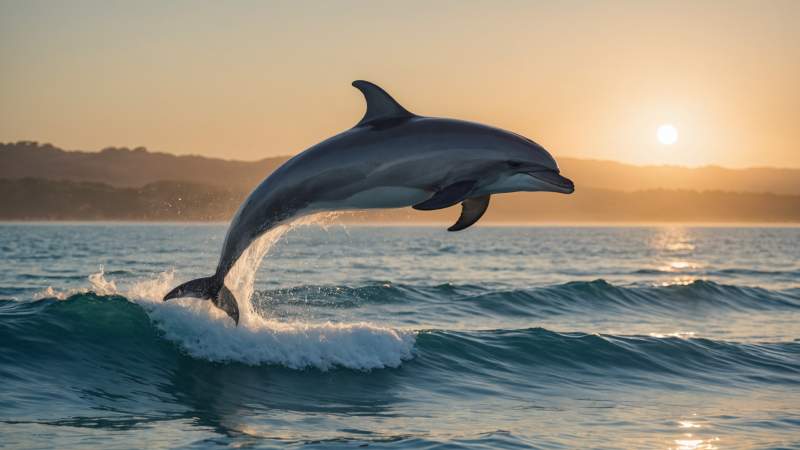
World Dolphin Day is an international observance held every year on 12 September to promote awareness of the threats facing dolphins and the importance of their conservation. The day was established by the non-profit organisation Sea Shepherd Global in 2022.
Dolphins are aquatic mammals belonging to the infraorder Cetacea, which also includes whales and porpoises. There are approximately 40 modern dolphin species, inhabiting mostly warm tropical waters, with some species adapted to cooler climates.
The day commemorates the tragic event on 12 September 2021, when 1,428 white-sided dolphins were killed on the Faroe Islands, marking the largest dolphin slaughter in history. World Dolphin Day aims to support global efforts to end such practices and promote dolphin protection.
Date and Establishment of the Celebration
World Dolphin Day is observed annually on 12 September. The day was established in 2022 by the international non-profit organisation Sea Shepherd Global. The chosen date commemorates the anniversary of the largest dolphin killing in history. Specifically, World Dolphin Day was created in memory of the dolphins killed on 12 September 2021.
History and Reasons for Establishment
World Dolphin Day was established as a response to the urgent need for greater protection and support of dolphins worldwide. The creation of this international day was motivated by alarming events such as those on 12 September 2021, when 1,428 white-sided dolphins were caught and killed in a single day on the Faroe Islands. This number was nearly five times the average annual catch of white-sided dolphins in the region and almost double the previous recent record of 773 dolphins killed during the entire hunting season in 2002. Such a significant and distressing event highlighted the ongoing threats faced by dolphins and underscored the necessity for increased awareness and action.
According to Sea Shepherd Global, World Dolphin Day is the first international day specifically dedicated to raising awareness about the need to protect dolphins from hunting, bycatch, killing, injury, and captivity for entertainment. One of the main objectives of the day is to support the Stop the Grind coalition, which was formed in direct response to the events of 12 September 2021. The coalition aims to end the unnecessary and inhumane killing of dolphins and whales by applying pressure at economic, political, and social levels.
Participation in World Dolphin Day involves learning about the threats dolphins face, joining the Stop the Grind coalition, donating to marine conservation organisations, and spreading information through social media using hashtags such as #WorldDolphinDay1428, #WorldDolphinDay, and #WDD1428. Through these efforts, the day serves as a powerful reminder of the ongoing need to protect these marine mammals and promote their welfare globally.
Threats to Dolphins and Hunting in the Faroe Islands
Dolphins face few natural predators, with the primary threats to their survival stemming from human activities. Among these threats are hunting practices carried out in various regions, including the Faroe Islands, Japan, Peru, and the Solomon Islands. Additional dangers include bycatch during fishing operations, shark culling, marine pollution, habitat destruction, and injuries or fatalities resulting from collisions with watercraft. Environmentalists and animal rights advocates have expressed particular concern over the hunting of whales and dolphins in the Faroe Islands. This hunting is regulated by local authorities, yet many animal protection organisations condemn it as a cruel and unnecessary practice. The ongoing debate highlights the complex challenges in balancing cultural traditions with the conservation of dolphin populations.
Biological Characteristics of Dolphins
Dolphins are aquatic mammals classified within the infraorder Cetacea, which also includes whales and porpoises. This group is characterised by adaptations to life in the water, such as streamlined bodies and the ability to hold their breath for extended periods. There are currently 40 recognised species of dolphins, each exhibiting unique traits suited to their environments. Most dolphin species inhabit warm tropical waters, where conditions support their feeding and social behaviours. However, some species have adapted to cooler climates, demonstrating the ecological diversity within the dolphin family. Understanding these biological characteristics is essential for appreciating the complexity and adaptability of dolphins in their natural habitats.
Dolphin Protection in Australia
Australia has established a comprehensive legal and regulatory framework dedicated to the protection of dolphins and other cetaceans within its jurisdiction. Central to this framework is the Australian Whale Sanctuary, declared in 2000, which encompasses all waters within Australia’s exclusive economic zone extending up to 200 nautical miles from the coast. Within this sanctuary, dolphins and other cetaceans receive special protection under federal law.
The Environment Protection and Biodiversity Conservation Act 1999 (EPBC Act) provides robust legal safeguards for all cetaceans, including dolphins, within Australian waters. Under Section 229 of the EPBC Act, it is a criminal offence to kill, injure, or interfere with dolphins in waters under Australian Commonwealth jurisdiction. Furthermore, the issuance of permits for the killing or live capture of dolphins for entertainment purposes is strictly prohibited within the sanctuary.
Australia’s commitment to dolphin conservation extends beyond the sanctuary’s boundaries. Federal legislation mandates the reporting of any accidental death, injury, or disturbance of dolphins resulting from commercial activities, whether inside or outside the sanctuary, within seven days of the incident. This reporting requirement supports ongoing monitoring and management efforts to mitigate human impacts on dolphin populations.
Complementing federal protections, all Australian states and territories enforce additional laws prohibiting the killing, harming, or interference with dolphins in coastal waters up to three nautical miles from the shore. Australian citizens and vessels flying the Australian flag are also bound by regulations that forbid harming or capturing dolphins not only within national waters but also on the high seas beyond national jurisdiction.
Historically, commercial whaling in Australia ceased by the mid-1970s, paving the way for progressively stronger federal and regional legislation aimed at protecting whales and dolphins. Australia has incorporated the international Convention on the Conservation of Migratory Species of Wild Animals into its national law, affording migratory marine mammals like dolphins enhanced legal protection against killing and injury.
In the realm of fisheries management, Australia operates a federal bycatch reduction program targeting protected and migratory species, including dolphins. This program develops and implements measures to reduce incidental dolphin capture in commercial fishing operations. Specifically, in fisheries using gillnets, the federal fisheries management agency requires vessels to have approved dolphin interaction mitigation plans and enforces limits on allowable dolphin bycatch. Exceeding these limits obliges vessels to cease fishing and return to port for inspection.
Additionally, vessels must maintain detailed records of all dolphin interactions, including bycatch, and submit specialised reports within a defined timeframe after returning to port. National bycatch policies explicitly classify dolphins as protected species, prohibiting harm without special permits or approved conservation management measures.
Australia has also developed a dedicated strategy to reduce dolphin bycatch in gillnet fisheries. This strategy mandates preventive measures to avoid dolphin entanglement, immediate vessel relocation following dolphin interactions, and potential temporary suspension of fishing activities in cases of repeated lethal bycatch.
At the state level, Queensland implements the 1997 Whale and Dolphin Conservation Plan, which focuses on protecting dolphins and other cetaceans, regulating wildlife watching activities, and preventing disturbance to these animals. In the Great Barrier Reef Marine Park, management policies explicitly ban the deliberate feeding of dolphins and other cetaceans to avoid altering their natural behaviours and dependence on humans.
Marine species monitoring programs across Australia include tracking dolphin bycatch incidents as a key indicator of fisheries’ impact on marine mammals. Environmental and advocacy organisations actively campaign against international whaling and dolphin hunting, supporting public appeals and legal initiatives aimed at restricting foreign cetacean hunts in Antarctic waters, where Australia asserts environmental claims.
Together, these measures reflect Australia’s comprehensive and multi-layered approach to dolphin protection, combining legal prohibitions, fisheries management, monitoring, and advocacy to safeguard dolphin populations within and beyond its waters.
Activities of Sea Shepherd Global
Sea Shepherd Global plays a pivotal role in the protection of the world’s oceans through its coordination of direct action campaigns. These initiatives are focused on combating environmental destruction and preventing illegal exploitation of marine ecosystems. By actively engaging in these efforts, Sea Shepherd Global contributes significantly to the preservation of marine life, including dolphins, by addressing threats that jeopardise oceanic health and biodiversity.