International Zebra Day and Zebra Conservation Awareness
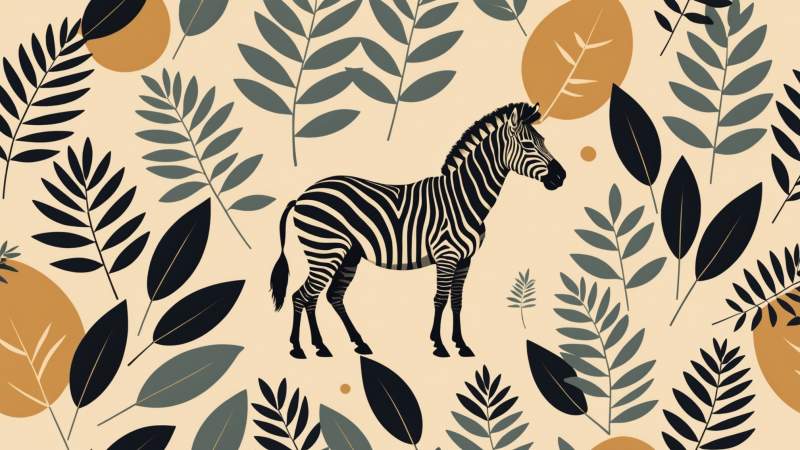
International Zebra Day is celebrated every year on 31 January to focus attention on the conservation of zebra species. This day highlights the importance of protecting these unique herbivores and their natural habitats.
There are three recognised species of zebras: the plains zebra, mountain zebra, and Grevy’s zebra. Each species faces varying degrees of threat, with classifications ranging from vulnerable to endangered according to the International Union for Conservation of Nature.
Zebras live in a variety of African environments including grasslands, savannahs, shrublands, forests, and mountainous regions. Conservation efforts involve protected areas across several African countries, supported globally by organisations and zoos, including those in Australia.
Date and Significance of the Celebration
International Zebra Day is observed annually on 31 January. Originally, this day was established to raise awareness about Ehlers-Danlos syndrome, a group of rare disorders affecting connective tissues. In American medical slang, rare diagnoses are often referred to as “zebras,” which inspired the initial focus of the day. Over time, conservationists adopted 31 January as a day dedicated to real zebras, shifting the emphasis towards these distinctive animals. Today, the celebration is marked by conservation organisations, wildlife reserves, zoos, and other interested parties. The primary goal of International Zebra Day is to draw attention to the conservation status of zebras and promote awareness of their protection.
Celebration in Australia
Although zebras are endemic to Africa and do not inhabit the wild in Australia, International Zebra Day is observed in Australian zoos. Institutions such as Taronga Zoo in Sydney participate in the celebration on 31 January by organising educational programmes focused on zebra conservation. Conservation organisations in Australia, including WWF-Australia, actively support global efforts to protect zebras on this day. Additionally, Australian scientists and zoologists contribute to international projects dedicated to the study and preservation of zebras. The occasion also serves as an opportunity within Australia to discuss broader issues related to habitat loss and poaching on a global scale.
Zebra Species and Their Habitats
There are three distinct species of zebras in the world: the plains zebra, the mountain zebra, and the Grevy’s zebra. These species inhabit a variety of environments, including grasslands, savannas, shrublands, forests, and mountainous regions. Zebras are herbivorous animals, feeding primarily on vegetation. Notably, they have the ability to survive on low-quality plant material, which allows them to adapt to diverse and sometimes challenging habitats.
Threats and Conservation Status of Zebras
The conservation status of zebras varies among species, as classified by the International Union for Conservation of Nature (IUCN). The mountain zebra is listed as a vulnerable species, reflecting concerns about its declining population. The Grevy’s zebra faces even greater risks and is classified as endangered, indicating a high risk of extinction in the wild. Meanwhile, the savannah zebra is considered near threatened, suggesting it is close to qualifying for a threatened category.
Zebras face multiple threats that contribute to their population decline. Habitat destruction and fragmentation are significant challenges, disrupting their natural environments and limiting their ability to roam freely. Hunting for meat and skins remains a persistent threat, exacerbated by historical pressures from collectors of exotic animals and trophy hunters. Competition with domestic livestock further strains their access to resources, while fences and other barriers obstruct traditional migration routes essential for their survival.
Historically, the quagga, a subspecies of the plains zebra, was driven to extinction in the 19th century due to intense hunting. More recently, civil wars in several African countries have also negatively impacted zebra populations, causing further reductions through habitat disruption and increased hunting pressures. These combined factors underscore the precarious situation of zebras and highlight the need for continued attention to their conservation status.
Predators and Natural Enemies of Zebras
Zebras face predation from a variety of natural enemies in their habitats. The primary predator of zebras is the lion, which actively hunts them as a significant part of its diet. In addition to lions, zebras are also targeted by other formidable predators including cheetahs, hyenas, leopards, Nile crocodiles, and wild dogs. These predators employ different hunting strategies to capture zebras, contributing to the complex predator-prey dynamics within the ecosystems where zebras live. Understanding these natural threats is essential for appreciating the challenges zebras encounter in the wild.
Conservation and Reserves for Zebras
Conservation efforts for zebras have led to the establishment of protected areas across several African countries. These reserves are specifically designed to safeguard different species of zebras and their habitats. For mountain zebras, protected territories have been created in Namibia and South Africa, providing crucial environments for their survival. Savanna zebras benefit from conservation areas located in Kenya, Namibia, Tanzania, South Africa, and Zimbabwe, reflecting the broad range of their natural habitats. Additionally, Grevy’s zebras are protected within reserves in Ethiopia and Kenya, highlighting targeted efforts to preserve this particular species. These protected areas play a vital role in maintaining zebra populations and ensuring their continued presence in the wild.