International Sushi Day: History, Varieties, and Traditions
International Sushi Day is celebrated annually on 18 June to honour the culinary art and cultural significance of sushi. The term ‘sushi’ translates to ‘sour rice,’ reflecting its origins in fermented rice used for preservation.
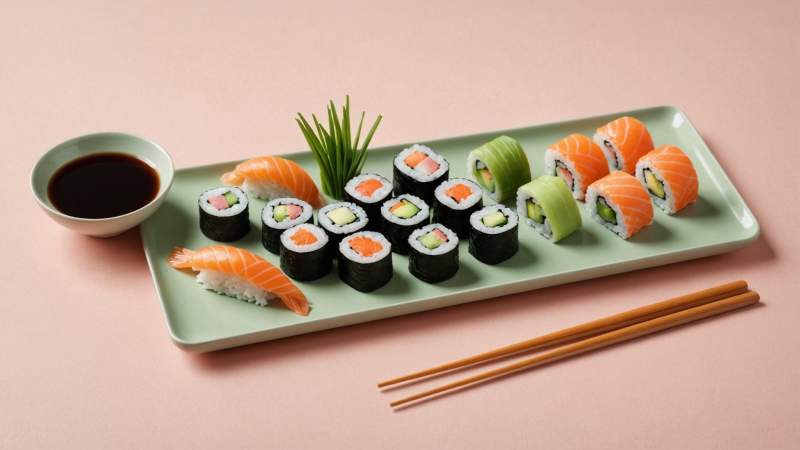
Traditional sushi consists of vinegared rice combined with seafood, while vegetarian versions include ingredients like cucumber or avocado. Various forms such as nigiri, makizushi, and futomaki showcase the diversity of sushi preparations.
The day aims to educate people about sushi varieties, proper eating etiquette, and the artistry involved in sushi presentation. It also fosters cultural exchange and understanding through events held worldwide.
Date and Origin of the Holiday
International Sushi Day is celebrated annually on June 18. The holiday was established in 2009 by Craig Johnson, an American sushi enthusiast. Despite its growing popularity among sushi lovers worldwide, International Sushi Day does not hold any official status as a recognised holiday.
Goals and Activities of the Celebration
International Sushi Day aims to showcase the diverse methods of sushi preparation, educating people on how to properly enjoy sushi while preserving traditional recipes. The celebration fosters cultural exchange and strengthens mutual understanding between countries. On this day, many cafes and restaurants offer specialised menus dedicated to sushi. Additionally, various promotions and sushi-making masterclasses are organised, where professionals share insights into the unique aspects of sushi preparation. Visitors also receive guidance on how to eat sushi using traditional wooden chopsticks, known as hashi, enhancing their appreciation of the cultural practices associated with this cuisine.
History and Evolution of Sushi
The term “sushi” literally translates to “sour rice,” reflecting its origins in the use of fermented rice. Initially, sushi was prepared using fermented rice as a method for long-term preservation of fish. This traditional form of sushi evolved significantly over time. In the 19th century, during the Edo period, Yohei Hanai innovated what is now recognised as modern nigiri sushi. His creation combined raw fish, omelette, and wasabi atop vinegared rice, marking a departure from the earlier fermentation process. Further evolution occurred in the 1970s in Los Angeles, where Ichiro Mashita introduced sushi rolls shaped like small cylinders filled with seafood and vegetables. These developments illustrate the transformation of sushi from a preservation technique to a diverse culinary art form enjoyed worldwide.
Main Components and Traditions
The traditional sushi dish is composed primarily of vinegared rice combined with seafood, forming the foundation of this celebrated cuisine. Sushi varies not only in its shape and fillings but also in the seasonings used, reflecting a diverse range of presentations within this culinary art. The presentation of sushi is elevated to an art form known as “sui-ga,” which allows chefs to showcase their skill and creativity through meticulous arrangement and design. This artistic approach highlights the importance of aesthetics in sushi preparation, making each piece a visual as well as a gastronomic experience. In terms of etiquette, it is acceptable to eat sushi with one’s hands, a practice that respects the integrity of the dish. A key rule to observe is to avoid crushing or breaking the sushi, ensuring that its structure and flavour remain intact throughout consumption.
Types and Varieties of Sushi
Among the various types of sushi, nigiri is considered the most traditional variety. Nigiri consists of a slice of fish placed atop a small mound of rice, showcasing simplicity and elegance in its presentation. Another popular form is makizushi, which is a rolled type of sushi shaped into a cylinder. Outside Japan, makizushi is commonly known as rolls. The preparation of makizushi involves using a bamboo mat called makisu to roll the ingredients tightly. The roll is wrapped either in a sheet of dried seaweed known as nori or in a thin omelette. Once rolled, the cylindrical makizushi is sliced into six or eight pieces for serving. Makizushi itself is further divided into varieties based on size, shape, and thickness. One notable variety is futomaki, a large cylindrical roll that can contain up to three fillings carefully selected for their colour and flavour harmony.
Sushi Fillings and Ingredients
Sushi fillings and ingredients vary widely, reflecting the diversity of this beloved dish. Vegetarian sushi options often include rice combined with cucumber or avocado, providing a fresh and simple alternative to seafood-based varieties. The names of different sushi types typically indicate the specific fillings used, helping to identify their unique characteristics. For example, Unagi sushi features smoked eel as its main ingredient, offering a rich and distinctive flavour. Tobiko sushi contains flying fish roe, which adds a crunchy texture and vibrant colour. Similarly, Masago sushi incorporates capelin roe, a delicacy that is rare and highly prized in Japan. Spicy sushi varieties are known for their hot fillings, which may include spicy meat, fish, or other seafood, catering to those who enjoy a more intense taste experience. These diverse ingredients highlight the complexity and regional preferences found within sushi cuisine.