Feast of Saints Peter and Paul in Western Christian Tradition
The Feast of Saints Peter and Paul is a significant celebration in Western Christianity, held annually on 29 June. It honours two of Jesus Christ’s foremost apostles, who were instrumental in spreading the teachings of the Gospel.
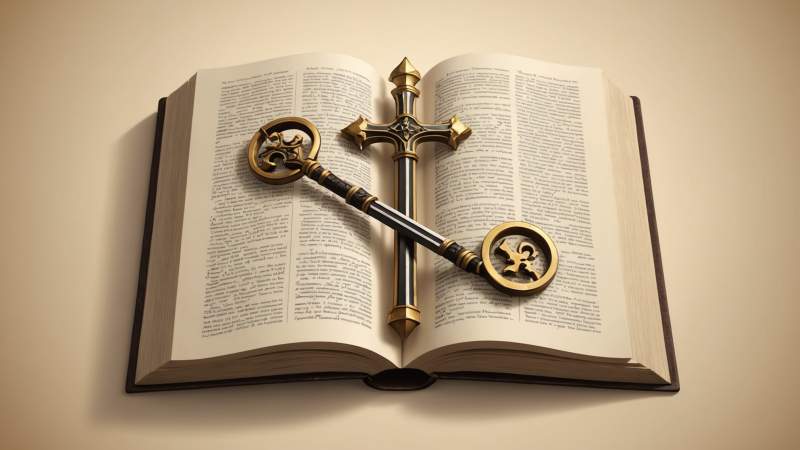
Saint Peter, originally named Simon, was a fisherman called by Jesus to be a foundational figure in the Church. He is traditionally recognised as the first bishop of Rome, with the keys to the kingdom symbolising his authority.
Saint Paul, formerly known as Saul, was a Pharisee who persecuted early Christians before converting after a miraculous vision. He became a prominent missionary and author of many New Testament letters, shaping Christian theology.
Date of the Feast and Observances in Australia
The Feast of Saints Peter and Paul is celebrated by Western Christians on 29 June. In Australia, the Catholic Church observes this feast as a solemnity, requiring participation in the Holy Mass. A notable celebration takes place at St Mary’s Cathedral in Sydney, where a solemn Mass is held on 29 June in honour of the apostles Peter and Paul. Additionally, donations collected in Catholic churches across Australia on this day are directed towards the needs of the Catholic Church worldwide.
History and Spread of the Feast
The Feast of Saints Peter and Paul was originally established in Rome, marking its inception within the heart of early Western Christianity. From this initial introduction, the celebration gradually extended beyond the city, gaining recognition and observance in various other Christian countries. Over time, the feast has not only become a significant religious event but has also been adopted as a public holiday in several nations, reflecting its cultural and spiritual importance within those societies.
Life and Role of the Apostle Peter
The Apostle Peter, originally named Simon, was a fisherman by trade before being called by Jesus Christ to become one of His apostles, alongside his brother Andrew. Peter and Paul are especially venerated as disciples of Jesus who, following His death and resurrection, took on the mission of preaching and spreading the Gospel throughout the world. Peter was designated to be the foundation of Christ’s Church and was given the keys to the kingdom of heaven. According to the teaching of the Roman Catholic Church, this bestowal signifies that Peter was granted real authority and juridical powers. These powers are believed to be passed on to Peter’s successors, as the Church is to endure until the end of time. In Western Christian tradition, the bishops of Rome are regarded as the successors of the Apostle Peter. Notably, Peter was the first apostle to whom Christ appeared after His resurrection. After Christ’s death, Peter actively engaged in preaching. He considered himself unworthy to be crucified in the same manner as Jesus and, at his own request, was crucified upside down. Peter was buried on Vatican Hill, and the main altar of St. Peter’s Basilica now stands above his burial site.
Life and Role of the Apostle Paul
Before his baptism, Paul was known as Saul. He was born in the city of Tarsus in Asia Minor into a Pharisee family. As a zealous adherent of Jewish law, Paul fiercely persecuted Christians, considering their teachings to be a harmful heresy. However, on the road to Damascus, Saul experienced a miraculous vision that led to his baptism. Following this transformative event, Paul became a fervent preacher of Christianity, particularly among the Gentiles. The Church honours Paul as the chief apostle and attributes to him fourteen epistles included in the New Testament. He is recognised as the first Christian writer whose works have survived to the present day and stands as the most authoritative figure in the history of Christian thought. Paul’s theological views played a crucial role in shaping Christianity into an independent religion. As a Roman citizen, Paul was ultimately executed by beheading.
The Doctrine of Primacy and the Significance of the Apostles
Within the Catholic Church, the doctrine of primacy holds a central place, affirming the Pope of Rome as the singular head of the Church. This teaching is fundamentally rooted in the position of Saint Peter, regarded as the chief of the apostles and the direct successor of Christ. The primacy attributed to Peter underpins the ecclesiastical authority vested in the papacy. Both Saints Peter and Paul share a profound significance in this context, having suffered martyrdom for their Christian faith on the same day in the year 67 AD in Rome. Their joint martyrdom not only underscores their pivotal roles in the early Church but also reinforces the theological foundation for the primacy doctrine celebrated in Western Christian tradition.
Differences in Dates of Commemoration
The Orthodox Church commemorates the apostles Peter and Paul on 12 July. This date differs from the celebration observed in Western Christian traditions, highlighting a distinction in the liturgical calendars between these branches of Christianity. The variation in dates reflects differing historical and ecclesiastical developments regarding the observance of the feast dedicated to these two prominent apostles.