
International Retainer Day and Orthodontic Retainers
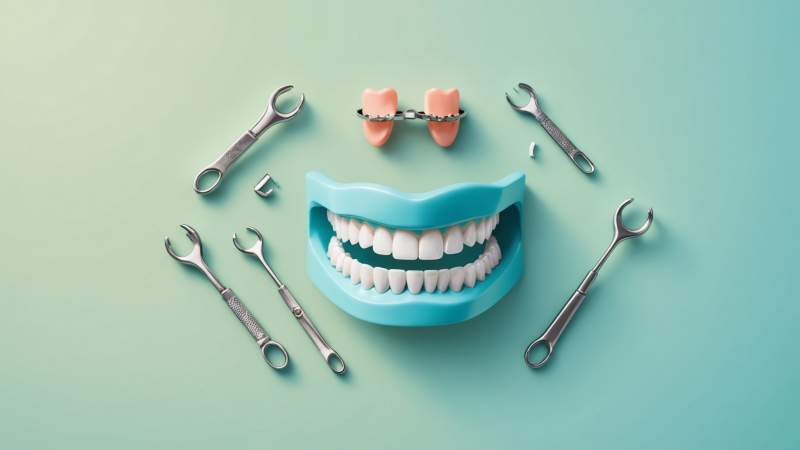
International Retainer Day is celebrated every year on 19 July to underline the significance of orthodontic retainers in dental care. This observance was established to raise awareness about the role retainers play in maintaining teeth alignment after orthodontic treatment.
The day was initiated by the Vivera Retainers brand from Invisalign in 2021 with the goal of addressing common misconceptions about braces and retainers. It encourages individuals to consider orthodontic treatment and stresses the importance of wearing retainers during the retention period.
Retainers are orthodontic devices designed to hold teeth in their corrected positions following braces. They can be removable or fixed and require proper care to prevent dental issues such as gum inflammation and cavities.
Date and Origin of the Holiday
International Retainer Day is observed annually on 19 July. The celebration was initiated in 2021 by the Vivera Retainers brand, which is part of the Invisalign company. This day was established to highlight the importance of orthodontic treatment, drawing attention to the role retainers play in maintaining dental alignment after active orthodontic procedures.
Celebration in Australia and Regional Features
In Australia, the term “retainer” in orthodontics is commonly referred to as a “plate.” This regional terminology reflects local professional practices and patient communication. The Australian Orthodontic Association strongly recommends lifelong use of retainers to prevent relapse, emphasising the importance of continuous retention after orthodontic treatment. Additionally, the Royal Australasian College of Dental Surgeons plays a key role in maintaining high standards by certifying specialists in orthodontic retainers. This certification ensures that practitioners possess the necessary expertise to provide effective retainer care and guidance, supporting the long-term success of orthodontic outcomes in the region.
Goals and Significance of International Retainer Day
International Retainer Day serves a vital role in addressing and dispelling common misconceptions associated with braces and retainers. One of the primary objectives of this observance is to encourage individuals to consider undergoing orthodontic treatment, highlighting the benefits and positive outcomes such interventions can provide. Additionally, the day emphasises the importance of wearing retainers as a crucial part of maintaining the results achieved through orthodontic care. By promoting awareness and understanding, International Retainer Day aims to foster a more informed public perspective on orthodontic devices and their role in dental health.
Purpose and Functions of the Retainer
A retainer is an orthodontic device designed to maintain teeth in their correct position following the alignment of the bite with braces. After the correction of the bite, teeth have a tendency to shift back to their original positions if they are not properly secured. To prevent this relapse, a retainer is prescribed for the retention period, which typically lasts between two to three years. During this time, the retainer ensures that the teeth remain stable in their new alignment, supporting the long-term success of orthodontic treatment.
History and Types of Retainers
The first modern orthodontic retainer was invented by American orthodontist Charles A. Hawley in the early 20th century. Known as the Hawley retainer, this device consists of an adjustable metal wire attached to an acrylic plate. The wire surrounds the six front teeth, while the supporting acrylic plate rests against the palate. The Hawley retainer remains the most well-known removable retainer design. However, it is not particularly effective for maintaining the position of the lower incisors and can interfere with speech. Additionally, some patients find the Hawley retainer uncomfortable to wear and feel self-conscious about its appearance.
In response to these limitations, more modern types of removable retainers have been developed. These include vacuum-formed retainers, Begg retainers, and Barrer retainers. Vacuum-formed retainers are produced using a thermoforming process, which creates a transparent appliance that is nearly invisible when worn. This transparency also means they tend to interfere less with speech compared to the traditional Hawley design.
Types of Retainers and Wearing Features
Retainers are generally classified into two main types: removable and fixed. Removable retainers offer the convenience of being taken out during meals, allowing for easier eating and oral hygiene maintenance. In contrast, fixed retainers typically consist of a wire that is bonded to the front teeth. These fixed retainers are particularly employed in cases where there is a higher risk of relapse, providing continuous support to maintain teeth alignment without the need for removal. Understanding the distinctions between these types of retainers is essential for appreciating their specific applications and wearing characteristics.
Hygiene and Possible Complications When Using Retainers
Both fixed and removable retainers require diligent hygiene to prevent oral health issues. Improper cleaning of retainers can lead to gum inflammation and dental caries. Food particles often become trapped in retainers, creating an environment conducive to the growth of harmful microorganisms. To minimise these risks, removable retainers should be thoroughly cleaned before being placed in the mouth. Fixed retainers, on the other hand, need to be carefully cleaned during the routine tooth brushing process, particularly before bedtime. Maintaining proper hygiene practices with retainers is essential to avoid complications and ensure long-term oral health.