
Cabbage Day: Celebrating a Versatile and Nutritious Vegetable
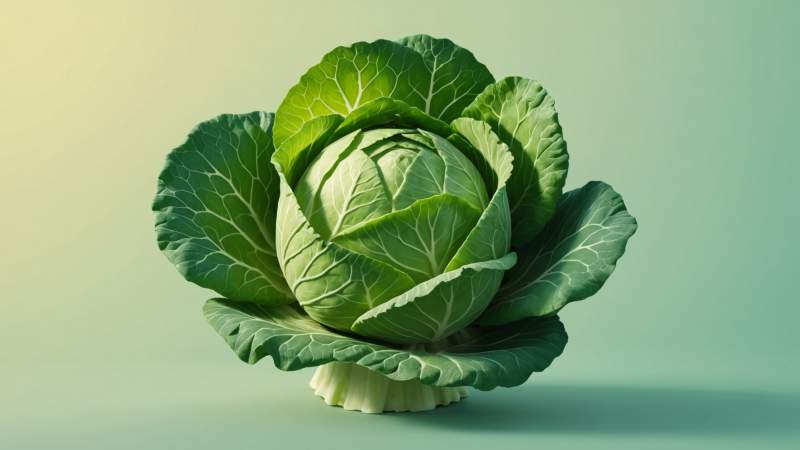
Cabbage Day is an annual event celebrated on 17 February across various countries, honouring the significance of cabbage in global culinary traditions. This vegetable is valued for its versatility and rich nutritional profile.
The cultivation of cabbage dates back to ancient Egypt, where it was esteemed as a refined treat for affluent individuals and even served as a dessert. Today, cabbage is used in numerous dishes, including salads, stews, and fermented foods.
In Australia, cabbage is grown in regions such as South Australia, Victoria, and Western Australia. It plays an important role in local markets, cuisine, and educational programs that promote sustainable farming and the health benefits of this vegetable.
Date of Celebration
Cabbage Day is celebrated annually on the 17th of February in many countries. This fixed date allows enthusiasts and communities around the world to come together in recognition of this versatile vegetable. The consistent timing of the celebration helps to establish a shared moment for acknowledging the significance of cabbage across diverse cultures.
Cabbage in Australia
In Australia, cabbage is cultivated primarily in the states of South Australia, Victoria, and Western Australia. These regions support both industrial horticultural enterprises and local markets, with seasonal supplies varying according to the specific area. The culinary use of cabbage in Australia reflects European influences, with both sauerkraut and fresh cabbage commonly incorporated into salads and side dishes. Local farmers’ markets play a significant role in the distribution of fresh cabbage heads, offering various varieties including green and red cabbage. Additionally, Australia promotes agritourism and educational initiatives that showcase cabbage cultivation and fermentation techniques. Scientific and educational publications within the country also highlight cabbage’s nutritional attributes and its contribution to diets rich in vitamins and phytonutrients.
History and Cultural Significance
The cultivation of cabbage dates back to Ancient Egypt, where it held a special place in society. In that era, cabbage was esteemed as a refined delicacy, often served as a dessert to affluent individuals. This early reverence highlights the vegetable’s longstanding cultural importance. Over time, cabbage has become a popular and versatile ingredient in the culinary traditions of many nations around the world, reflecting its enduring appeal and adaptability across diverse cultures.
Nutritional Properties of Cabbage
Cabbage is a remarkably nutritious vegetable, containing nearly all known vitamins, including the unique vitamin U, as well as phytoncides, enzymes, and essential minerals. Vitamin U is particularly important for individuals suffering from stomach ulcers, highlighting cabbage’s therapeutic potential. The health benefits of all cabbage varieties stem largely from their high content of secondary plant compounds. Among these, mustard oil glycosides contribute a characteristic bitter note to cabbage and exhibit antibacterial properties. Sulforaphane, another key compound found in cabbage, effectively combats bacteria responsible for stomach ulcers and protects healthy cells by neutralising free radicals, thereby preventing pathological changes. Similar protective effects are provided by beta-carotene, zeaxanthin, and lutein, which are carotenoids present in cabbage leaves. These carotenoids also play a vital role in maintaining vision and reducing the risk of breast cancer. Furthermore, cabbage supplies vitamin C with immunostimulatory effects more efficiently than an equivalent amount of lemons. In addition to vitamin C, cabbage contains vitamins A, B, E, and K, along with important minerals such as calcium, potassium, and magnesium, making it a comprehensive source of essential nutrients.
Health Benefits and Culinary Uses
Cabbage is a remarkably versatile vegetable that offers significant health benefits alongside its culinary flexibility. With less than 50 kilocalories per 100 grams, cabbage is low in calories due to its high water content and minimal sugar levels. One of its notable health properties is the presence of compounds that bind bile acids, facilitating the elimination of undigested fats from the body. This fat-binding effect is enhanced when cabbage is lightly steamed, making it an even more effective dietary aid.
Culinarily, cabbage is used in a variety of ways that preserve its nutritional value while offering diverse flavours and textures. It can be prepared as low-calorie vitamin-rich salads, stewed, boiled, fermented, or brewed into infusions and decoctions. A contemporary popular preparation, especially in New York, is cabbage chips. These chips are made with spices and a small amount of oil, maintaining their health benefits and retaining important carotenoids. This method of preparation highlights cabbage’s adaptability and its role as a nutritious snack option.