Empire Day and Its Significance in the British Commonwealth

Empire Day was an internationally recognised celebration held annually on 24 May to commemorate the British Empire and the birthday of Queen Victoria. The day was established following Queen Victoria’s death in 1901, serving as a means to honour her legacy and promote imperial unity.
The British Empire once controlled over 25% of the Earth’s land surface, and Empire Day was intended to foster patriotism and strengthen connections between Britain and its dominions, including New Zealand and Australia. In New Zealand, the day was officially recognised in 1903 and involved public parades and patriotic activities.
Over time, the significance of Empire Day diminished, particularly with the decline of the British Empire. It was eventually replaced by Commonwealth Day in 1958, reflecting the changing political landscape and the emergence of independent Commonwealth nations.
Date and Commemorative Days
Empire Day was celebrated worldwide on 24 May, a date chosen to coincide with the birthday of Queen Victoria. This alignment underscored the connection between the observance and the British monarchy. In Canada, the same date is recognised as Victoria Day, a national holiday that honours the Queen’s birthday. Thus, 24 May holds significant commemorative value within the British Commonwealth, serving both as Empire Day and as a day to celebrate Queen Victoria’s legacy.
Empire Day in Australia and New Zealand
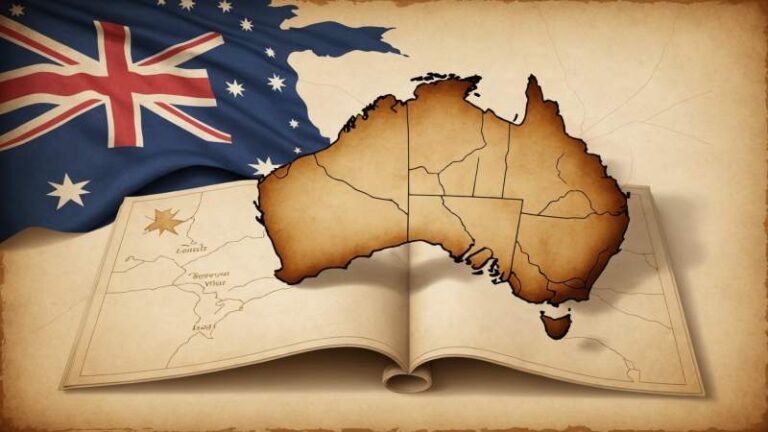
Empire Day held distinct significance in both Australia and New Zealand, reflecting their historical ties to the British Empire. In Australia, the British claim to the continent was formalised when Captain James Cook proclaimed the eastern coast as British territory on 22 August 1770. The first British settlement was established later, on 26 January 1788, at Port Jackson, initially serving as a penal colony. Australia’s status evolved over time, culminating in its recognition as a dominion within the British Empire on 1 January 1901.
Meanwhile, New Zealand demonstrated early engagement with imperial commemoration. In 1897, Aucklanders raised funds for a monument dedicated to Queen Victoria, an effort that would equate to approximately 1,440,000 dollars today. New Zealand officially recognised Empire Day in 1903, with the inaugural celebration taking place on Monday, 25 May, a date chosen because the preceding day, 24 May, fell on a Sunday, a day of religious observance for veterans.
The celebrations in New Zealand were marked by active participation from the public, including children and parents who paraded through the streets carrying national flags. For New Zealanders, Empire Day was more than a ceremonial occasion; it was a reflection of national identity and a means to strengthen bonds with Britain. The country’s elite also perceived the observance as beneficial for fostering trade relations within the Empire. Thus, Empire Day in both Australia and New Zealand served as a significant cultural and political event, underscoring their connections to the British Empire.
History and Significance of Empire Day
Empire Day was established as a celebration of the British Empire and to foster a patriotic spirit among its people. The idea behind Empire Day was to honour the memory of Queen Victoria, who was both the Empress of India and the sovereign of the British Empire. The first Empire Day was observed following Queen Victoria’s death in 1901, marking a moment to reinforce the patriotic connection between Britain and the various parts of its vast empire. At its height, the British Empire controlled more than 25% of the Earth’s land surface, underscoring the significance of this commemoration. Empire Day was inclusive in nature, allowing anyone to participate regardless of their nationality. Educational efforts during Empire Day included teaching children not only a patriotic perspective but also acknowledging the darker aspects of the empire’s history, such as slavery and the opium wars. Overall, Empire Day served as a means to celebrate imperial unity while reflecting on both its achievements and complexities.
Transformations and Contemporary Significance
The dissolution of the British Empire led to a significant decline in the relevance of Empire Day. As the empire fragmented, the celebration lost its original meaning and appeal among the former imperial nations. In response to changing public sentiment and the decreasing popularity of the holiday, Empire Day was officially renamed Commonwealth Day in 1958. This rebranding reflected a shift in focus from imperial pride to a broader recognition of the Commonwealth of Nations. Today, Commonwealth Day is observed on the second Monday of March by countries that were once part of the British Empire. Meanwhile, Empire Day itself has largely fallen into obscurity, with most Commonwealth countries no longer commemorating it. The transformation from Empire Day to Commonwealth Day marks a significant evolution in the way these nations acknowledge their shared history and contemporary relationships.