All Saints Day Observance in Australia

All Saints Day is observed in Australia every year on 1 November. It is a Christian celebration dedicated to honouring all saints, particularly those without specific feast days.
The day has deep roots in early Christian tradition, with its establishment attributed to Popes Gregory III and Gregory IV in the eighth and ninth centuries. It is closely connected to the liturgical calendar of the Catholic and Anglican churches in Australia.
Although not an official public holiday, All Saints Day is marked by special church services, prayers, and visits to cemeteries. These practices reflect the spiritual significance of the day within Australian Christian communities.
Date and Status of the Holiday
All Saints Day in Australia is observed annually on 1 November. This date has been firmly established in the Western Church as the official day for commemorating All Saints. Despite its religious significance, All Saints Day is not recognised as a public holiday in Australia. Within the country, the day is considered a holy day of obligation only for Catholics who adhere to the norms of the worldwide Catholic Church. However, Australian civil law does not grant this day any special status or public observance beyond its religious context.
Celebration Features in Australia
In Australia, All Saints Day is particularly observed by Catholic and Anglican communities, which constitute a significant portion of the country’s Christian population. The Catholic Church in Australia celebrates All Saints Day on 1 November, following the universal liturgical calendar. Similarly, the Anglican Church of Australia includes the observance of All Saints Day in its official liturgical calendar, offering special prayers and readings for the occasion.
Many Catholic and Anglican parishes across Australia hold special Masses and services on All Saints Day to commemorate the saints and the deceased. In some Catholic parishes, processions and prayer vigils are organised either on the eve or on the day itself, often taking place at parish or city cemeteries. Additionally, a requiem prayer is commonly performed on 1 November in numerous Australian parishes, linking All Saints Day with the subsequent All Souls Day on 2 November.
Within schools and colleges of Catholic or Anglican tradition, 1 November is frequently marked by special school services or thematic lessons dedicated to All Saints Day. Some Christian communities utilise liturgical texts and rites for All Saints Day approved by both the Roman Catholic Church and the Anglican Church of Australia. In several Catholic parishes, children and youth participate in parish events where, instead of dressing as figures of evil, they are encouraged to dress as saints and biblical characters.
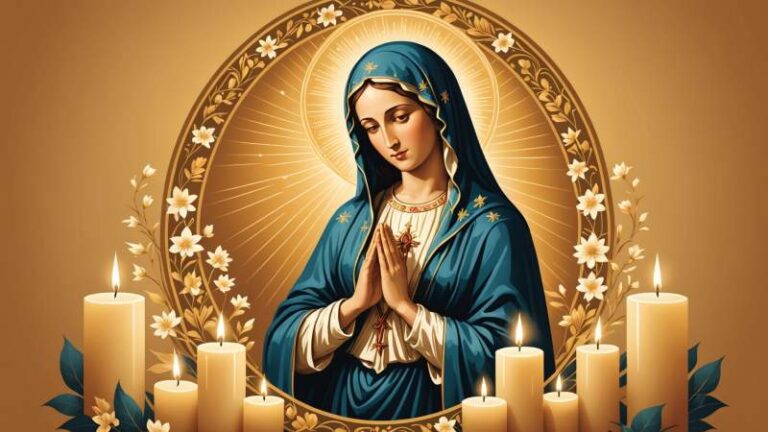
Many Australian Christians observe All Saints Day by attending special services, lighting candles, praying, and visiting cemeteries. Families often visit gravesites to lay flowers on the graves of loved ones. Given the widespread secular celebration of Halloween in Australia, church communities are particularly attentive to emphasising the spiritual significance of 1 November during All Saints Day observances.
Historical Roots and Development of the Holiday
All Saints Day has deep roots in Christian tradition, originating in the early centuries of Christianity. The idea behind the day was to honour all saints, particularly those who did not have a specific day dedicated to their memory. Initially, All Saints Day was dedicated to martyrs, but over time it was expanded to include all saints. In the eighth century, Pope Gregory III formalised the observance by dedicating a chapel in Rome to all saints and designating a day for their celebration. By the ninth century, Pope Gregory IV extended the celebration of All Saints Day to the entire Church, establishing it as a widespread observance within Christian communities.
Connection with Halloween and the Following Days
All Saints Day is closely connected to its eve, known as Halloween, which is observed on the preceding day. Together, All Saints Day and Halloween form a period dedicated to the remembrance of saints and all deceased believers. This sequence of observances highlights a continuum of reflection and commemoration, linking the festive and solemn aspects of honouring the spiritual legacy of the faithful departed.