
World Brain Day: Global Neurology Awareness and Brain Health
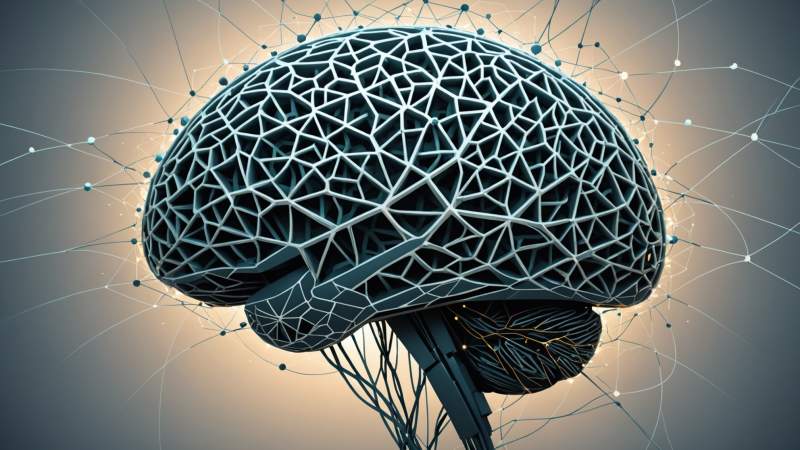
World Brain Day is an international observance dedicated to raising awareness about brain health and neurological disorders. It is held annually on 22 July, marking the anniversary of the World Federation of Neurology’s establishment in 1957.
The World Federation of Neurology, which unites 125 professional neurological associations globally, initiated World Brain Day in 2014. The day serves as a platform for experts to exchange knowledge and promote advancements in brain research and healthcare.
The human brain, as the central organ of the nervous system, requires significant oxygen and energy to function properly. Maintaining brain health is crucial, as neurological diseases can lead to severe consequences including disability and loss of function.
Date and Establishment of the Celebration
World Brain Day is observed annually on 22 July. This date was chosen to coincide with the founding day of the World Federation of Neurology, which was established in 1957. The World Federation of Neurology officially instituted World Brain Day in 2014 to raise global awareness about brain health and neurology. The selection of 22 July as the commemorative day reflects the organisation’s historical significance and its ongoing commitment to promoting neurological health worldwide.
Celebration in Australia
In Australia, World Brain Day is observed on 22 July with a particular focus on the prevention of neurological diseases. The Australian Association of Neurologists plays a key role in this observance by organising webinars and seminars in major cities such as Sydney and Melbourne. These events aim to raise public awareness about brain health and the importance of neurological well-being. Additionally, the Australian government supports brain research through Neuroscience Australia, providing funding for projects related to dementia and stroke on this day. Educational institutions, including schools and universities, also participate by conducting programmes that highlight the role of the brain. These programmes incorporate guidance on sleep and physical exercise, contributing to a comprehensive approach to brain health education during the commemoration.
Role and Characteristics of the Brain
The brain is the principal organ of the human central nervous system, serving as the command centre that regulates the functioning of all bodily organs. Its proper operation is crucial, as any disruption in brain activity can lead to impairments in the performance of various organs throughout the body. Remarkably, the brain demands a significant portion of the body’s resources, consuming approximately 20% of the total oxygen and energy supply. These vital elements are delivered to the brain through an extensive network of blood vessels, ensuring its continuous function. Structurally, the human brain is composed of about 73% water, highlighting the importance of maintaining its hydration for optimal performance.
The Importance of Sleep, Nutrition, and Hydration for the Brain
Adequate oxygen and energy supply are essential for maintaining proper brain function, as their deficiency can lead to neurological diseases and brain dysfunction. Hydration also plays a critical role in cognitive performance; even a 2% reduction in the body’s necessary fluid volume can cause impairments in attention and memory. Furthermore, prolonged physical exertion resulting in one and a half hours of active sweating can reduce brain volume to an extent comparable to one year of aging. These factors underscore the vital importance of maintaining sufficient sleep, nutrition, and hydration to support brain health and prevent functional decline.
Memory and Intelligence of the Brain
The human brain possesses an extraordinary capacity for storing information, estimated to be around 2.5 million gigabytes. This vast storage capability underpins the brain’s remarkable memory functions. Notably, the effort invested in acquiring information significantly enhances its retention; the more cognitive labour required to learn something, the better it is remembered. In the realm of artificial intelligence, the most advanced electronic machines represent attempts to emulate human intellect. However, despite these technological advancements, no electronic device matches the complexity and sophistication of the human brain. This unparalleled intricacy highlights the brain’s unique role as the centre of memory and intelligence.
Brain Diseases and Prevention
Diseases of the nervous system and brain carry severe consequences for individuals, often resulting in significant disability, loss of work capacity, or even death. Given the profound impact these conditions can have, neurologists place great emphasis on brain health and have developed comprehensive systems aimed at preventing brain diseases and injuries. Medical specialists actively exchange knowledge and collaborate in the pursuit of more effective methods for diagnosing and treating brain disorders. This ongoing professional cooperation is crucial in advancing the understanding and management of neurological conditions, ultimately aiming to reduce their burden on patients and society.
Events and Educational Activities
The World Federation of Neurology, which unites 125 professional associations of neurologists worldwide, plays a central role in organising events dedicated to World Brain Day each year. These events bring together leading experts in neurology, neurosurgery, and scientific research to discuss recent discoveries, share experiences, and develop new methods for treatment and prevention. The Federation annually determines the theme for the following year’s activities, ensuring a focused and relevant agenda. At the national level, educational efforts are carried out among the general population through the distribution of posters, booklets, and the organisation of seminars, aiming to raise awareness and promote brain health globally.
Recommendations for Maintaining Brain Health
Maintaining brain health is essential for overall well-being, and several key recommendations support this goal. Adopting a healthy lifestyle and avoiding harmful habits form the foundation of brain health maintenance. Ensuring adequate and quality sleep alongside a balanced diet further contributes to optimal brain function. Physical activity plays a significant role; engaging in walking, spending time outdoors, or participating in regular exercise helps sustain brain vitality. Additionally, continuous mental stimulation through solving unconventional problems and engaging in intellectual activities is recommended to keep the brain active and resilient. Together, these practices create a comprehensive approach to preserving and enhancing brain health.
Contemporary Brain Research
The study of the human nervous system and brain remains an ongoing scientific endeavour. Contemporary brain research continues to explore the complexities of neural structures and functions, advancing our understanding of this vital organ. This continuous investigation is crucial for uncovering the mechanisms underlying brain activity and for informing future neurological studies.