Hot Sauce Day: A Celebration of Spicy Sauces and Culinary Traditions
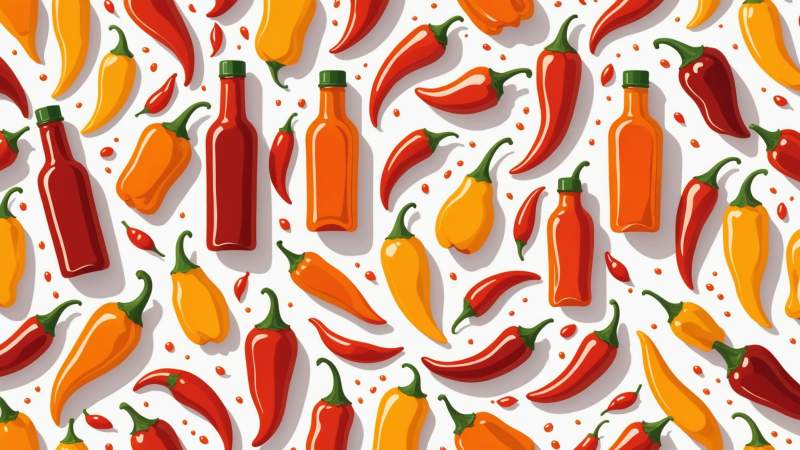
Hot Sauce Day is celebrated annually on 22 January, dedicated to enthusiasts of spicy flavours and sauces worldwide. This occasion recognises the deep cultural roots of piquant condiments — from Mesoamerican chilli traditions dating back over 6,000 years to the modern craft hot sauce industry, which was valued at approximately USD 3.77 billion globally in 2023 and continues to grow year on year.
Spicy sauces have become an essential part of global cuisine, with producers now competing on complexity of flavour as much as raw heat. Hot Sauce Day brings that passion into focus through tastings, cooking masterclasses, and eating competitions held across multiple countries simultaneously.
As food historians and culinary researchers consistently note, hot sauces are among the few condiments that simultaneously carry cultural identity, medicinal heritage, and competitive culinary sport — all in a single bottle.
Date of the Celebration
Hot Sauce Day falls on 22 January each year. Having a fixed calendar date allows culinary communities, restaurants, independent producers, and home cooks worldwide to coordinate events, launches, and promotions around a single, recognised moment. The mid-January timing also benefits producers in the Northern Hemisphere, who use the occasion to introduce new seasonal recipes following the winter harvest of greenhouse-grown chillies.
History and Significance of Hot Sauce Day
The cultural roots of hot sauce stretch back millennia. Archaeological evidence from Mexico and Peru shows that chillies were cultivated and used as flavouring agents as early as 4000 BCE. The first commercially bottled hot sauce — Tabasco — was introduced in 1868 by Edmund McIlhenny in Louisiana, setting the template for the modern industry.
Hot Sauce Day as a formal celebration emerged from the growing grassroots enthusiasm for artisan and craft hot sauces in the late 20th and early 21st centuries, particularly in North America and Australia. By institutionalising the date, the food community gave producers, chefs, and fans a shared occasion to showcase innovation and celebrate diversity in heat and flavour profiles.
The day carries genuine significance beyond novelty: it highlights how hot sauces reflect migration, trade routes, and cultural exchange — chillies travelled from the Americas to Europe via Spanish colonisers in the 16th century, and within a century had become indispensable in cuisines as diverse as Korean, Thai, Indian, and West African.
Celebration Features in Australia
In Australia, Hot Sauce Day reflects the country’s uniquely multicultural food culture, blending influences from Asia, the Pacific, and Indigenous Australian traditions.
- Bush Tucker hot sauces — a distinctive Australian category — incorporate native peppers sourced from wild shrubs across arid and semi-arid regions, offering flavour profiles unavailable anywhere else in the world.
- Australian farmers commercially cultivate Capsicum frutescens (the species that includes Tabasco peppers and Thai bird’s eye chillies) specifically for the domestic hot sauce market.
- Producers communicate heat levels using the Scoville scale, allowing consumers to make informed choices whether they prefer mild sauces around 1,000–5,000 SHU or extreme products exceeding 1,000,000 SHU.
- Australian cities — particularly Melbourne and Sydney — host dedicated hot sauce festivals and pop-up markets around 22 January, featuring both established brands and small-batch independent producers.
The integration of Indigenous bush ingredients alongside internationally cultivated varieties makes the Australian hot sauce scene one of the most botanically diverse in the world.
Traditions and Events of the Celebration
Hot Sauce Day is marked by a range of activities suited to different levels of spice tolerance and culinary interest:
- Tasting parties — events where participants work through a curated flight of sauces arranged from mild to extreme, paired with neutral snacks such as bread, crackers, and fresh vegetables to cleanse the palate between samples.
- Masterclasses and cooking workshops — restaurants, cafés, and culinary schools host hands-on sessions covering fermentation techniques, vinegar-based sauce construction, and the science of Scoville measurement. Participants leave with recipes and often their own small-batch product.
- Eating competitions — timed or quantity-based challenges involving progressively hotter sauces, drawing large crowds and generating significant social media engagement.
- Producer showcases — craft hot sauce makers use the day to launch new products, offer limited-edition bottles, and gather direct feedback from consumers.
The Scoville Scale: Understanding Heat
The Scoville scale, developed by American pharmacist Wilbur Scoville in 1912, remains the standard method for measuring the capsaicin concentration — and therefore the perceived heat — of chilli peppers and hot sauces. The table below provides a practical reference for common heat categories:
| Category | Scoville Heat Units (SHU) | Example Peppers / Sauces |
|---|---|---|
| Mild | 0 – 5,000 | Bell pepper, Poblano, most table hot sauces |
| Medium | 5,000 – 50,000 | Jalapeño, Serrano, Chipotle |
| Hot | 50,000 – 300,000 | Cayenne, Tabasco pepper, Thai bird’s eye |
| Very Hot | 300,000 – 1,000,000 | Habanero, Scotch Bonnet |
| Extreme | 1,000,000+ | Carolina Reaper (up to 2.2M SHU), Pepper X |
Benefits and Composition of Hot Peppers
Hot peppers — the primary ingredient in virtually all hot sauces — bring both flavour and measurable nutritional value to the table. Their key bioactive compound, capsaicin, is responsible for the sensation of heat and has been studied for its anti-inflammatory and analgesic properties.
Beyond capsaicin, hot peppers contain a range of vitamins and minerals that contribute to general health:
- Vitamin C (ascorbic acid) — red chilli peppers contain significantly more vitamin C per gram than citrus fruit, supporting immune function and collagen synthesis.
- Folic acid (Vitamin B9) — important for cell division and DNA repair; particularly relevant for metabolic health.
- Iron — contributes to oxygen transport in the blood.
- Zinc — supports immune response and enzyme function.
- Potassium — essential for maintaining water and electrolyte balance, and for healthy cardiovascular function.
It is worth noting that the amounts consumed through typical hot sauce use are modest, so hot sauce is best understood as a complementary source of these nutrients rather than a primary one. Nevertheless, cultures with high habitual consumption of fresh chillies — such as in parts of Mexico, India, and Southeast Asia — do benefit from meaningful dietary contributions of these micronutrients.