World Turtle Day and Turtle Conservation Efforts
World Turtle Day is celebrated on 23 May each year to promote awareness and protection of turtles globally. The event was founded in 2000 by the American Tortoise Rescue, an organisation established in 1990 in Malibu, California.
The day aims to draw attention to the many threats turtles face, including habitat loss, accidental capture by humans, climate change, and pollution. Marine turtles have inhabited the oceans for over 100 million years but are now endangered due to these pressures.
In Australia, where turtles are part of rich marine biodiversity, World Turtle Day supports conservation efforts such as monitoring nesting sites, reducing plastic pollution, and involving local communities and Indigenous groups in protection programs.
Date and Establishment of the Holiday
World Turtle Day is observed annually on 23 May. The holiday was established in the year 2000 through the initiative of the American Tortoise Rescue Society. This organisation, dedicated to the rescue and conservation of turtles and tortoises, was founded a decade earlier in 1990 in Malibu, California, USA. The establishment of World Turtle Day reflects the society’s commitment to raising awareness about turtles and their protection.
Significance and Celebration in Australia
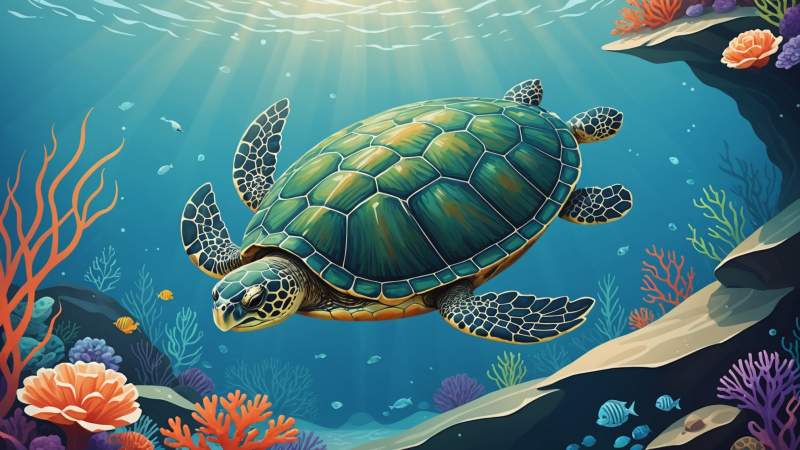
In Australia, turtles are an integral part of the rich marine biodiversity and are listed as protected species, which enhances the importance of World Turtle Day within local environmental campaigns. The Australian coastline, including areas around the Great Barrier Reef, hosts some of the world’s most critical nesting sites for marine turtles such as green turtles and loggerheads. To support these populations, Australian reserves and parks actively monitor turtle nests, install protective barriers, and regulate coastal lighting to prevent disruption during hatching and the movement of hatchlings to the ocean. Volunteer programs are also prominent, involving both local residents and tourists who assist scientific teams in nest counting and population monitoring as part of nationwide wildlife conservation initiatives. Environmental organisations in Australia frequently link World Turtle Day with local campaigns aimed at reducing plastic pollution in the oceans, a direct threat to turtles in Australian waters. Additionally, some Indigenous communities in Australia hold traditional rights to limited use of marine turtles within cultural practices, which are regulated by laws and conservation measures to ensure species protection.
History and Biology of Turtles
Sea turtles have inhabited the world’s oceans for over 100 million years, showcasing their remarkable evolutionary resilience. Among these ancient reptiles, leatherback turtles and loggerheads play a crucial ecological role by regulating populations of jellyfish and sponges, thereby maintaining marine ecosystem balance. Additionally, green sea turtles contribute significantly to the health of seagrass beds by grazing on the marine vegetation. This grazing keeps the seagrass at optimal levels, which is essential for the reproduction of various fish species. Together, these biological functions highlight the integral role turtles have played throughout history in sustaining oceanic environments.
Threats and Conservation of Turtles
World Turtle Day aims to draw attention to the critical threats turtles face due to their proximity to human activities. The survival of turtles is increasingly jeopardised by accidental capture by humans, which significantly impacts their populations. Additionally, the rapid development of coastal areas disrupts the natural process of egg laying and hatching, making it difficult for hatchlings to reach the ocean safely. Beyond direct human interference, turtles are also threatened by habitat destruction, diseases, and the broader effects of climate change. Climate change, in particular, alters the gender ratios within turtle populations, which can have long-term consequences for their reproduction and survival. Environmental pollution, especially plastic waste, poses a severe risk as turtles often mistake plastic debris for food, leading to injuries and fatalities. Alarmingly, some turtle species have already disappeared from the wild, underscoring the urgent need for effective conservation measures.
Conservation Status of Marine Turtle Species
Among the seven species of marine turtles, their conservation statuses vary significantly according to the International Union for Conservation of Nature (IUCN) Red List. Three species—the green turtle, the hawksbill turtle, and the Atlantic ridley turtle—are classified as endangered or critically endangered, indicating they face a very high risk of extinction in the wild. In addition to these, three other species—the leatherback turtle, the olive ridley turtle, and the loggerhead turtle—are designated as vulnerable. This status reflects a high risk of endangerment in the medium term. These classifications highlight the varying degrees of threat faced by marine turtles globally and underscore the importance of monitoring and conservation efforts tailored to each species’ specific needs.
Events and Traditions on Turtle Day
World Turtle Day is marked by a variety of activities and traditions aimed at promoting the protection and appreciation of turtles. One of the key initiatives includes rescue efforts such as the construction of underpasses beneath highways to facilitate safe turtle crossings, as well as securing protected status for beaches that serve as critical nesting grounds. These practical conservation measures are complemented by personal commitments from individuals who choose to exclude turtle-based dishes and household items made from turtle shells from their diets and daily lives on this day. Celebrations also feature cultural expressions like masquerades where participants don turtle costumes, perform skits and dances, and send out postcards to raise awareness. Together, these events and traditions foster community engagement and highlight the importance of turtle conservation.