Julienne French Fries Day and Its Culinary History
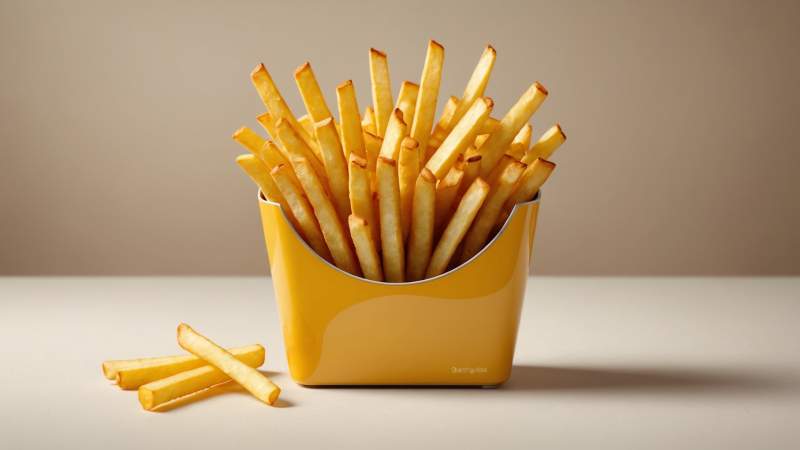
Julienne French Fries Day is celebrated every year on 12 August, recognising a specific style of French fries cut into thin, matchstick-like strips. This method of slicing, known as julienne, has historical roots in culinary traditions dating back to the 19th century.
French fries themselves have a rich history, with origins traced to Belgium, France, and Spain. The term ‘French fries’ is linked to the French language spoken in parts of Belgium, and the dish has been referenced in literature and popular culture over the centuries.
In Australia, French fries cut in the julienne style are commonly referred to as chips or hot chips and are a staple in fast-food outlets. The country is also a significant producer of potatoes used for frozen French fries, reflecting the global reach and cultural importance of this popular food.
Date of Celebration
Julienne French Fries Day is celebrated annually on the 12th of August. This specific date marks the occasion dedicated to honouring the culinary tradition of julienne-cut French fries. Observing the day each year on 12 August provides a fixed point in the calendar for enthusiasts and culinary communities to recognise and appreciate this particular style of French fries.
French Fries in Australia
Australia has played a notable role in the development and popularisation of French fries, particularly those cut in the julienne style. In 1982, the country introduced the first vending machine dedicated to French fries, known as Mr. French Fry. This innovative device was designed to prepare and dispense fries in under a minute, marking a significant advancement in fast food technology.
Within Australia, French fries are commonly referred to as “chips” or “hot chips,” terms used regardless of whether the fries are cut in the traditional julienne manner. This linguistic preference reflects the local culinary culture surrounding this popular side dish. Major fast-food chains such as Hungry Jack’s, which operates under the Burger King brand in Australia, serve julienne-cut French fries as the standard accompaniment in most of their outlets nationwide.
Australia is also a significant producer of potatoes, with a substantial portion of the harvest dedicated to the production of frozen French fries. These products cater both to the domestic market and to export demands. Leading supermarket chains like Coles and Woolworths offer a variety of frozen French fries, including thinly sliced options that align with the julienne cut. This availability underscores the widespread appreciation and consumption of French fries in various forms across the country.
History and Origin of French Fries
French fries have a rich and somewhat debated history, with their origins commonly traced back to Belgium in the 1600s, where potatoes were fried and consumed. The term “French fries” is believed to have originated due to the French language spoken in the Belgian region where this culinary practice developed. However, alternative accounts suggest that French fries may have first appeared in France around 1789, sold by street vendors, or even earlier in Spain, where potatoes were also fried. The dish gained international recognition when Thomas Jefferson introduced French fries to the United States during a state dinner in 1802. By the 1920s, the American style of French fries had made its way to the United Kingdom, further spreading its popularity. Notably, French fries were mentioned in literature as early as 1859, when Charles Dickens referenced them in his novel “A Tale of Two Cities,” highlighting their cultural presence during that period.
Julienne Cutting and Varieties of French Fries
Julienne French fries are characterised by their distinctive cut: thin, long strips of potato sliced with a culinary knife. This technique involves cutting the potato into pieces approximately the size of a matchstick, resulting in fries that are slender and almost matchstick-like in appearance. The julienne cutting method itself has historical roots, being mentioned as early as 1877 in the “Table Book” in connection with a julienne soup recipe. In the context of French fries, the julienne cut is the most common style, often referred to as “string fries” due to their thin, elongated shape. While julienne fries dominate in popularity, it is important to note that there are over 15 different varieties of French fries, each distinguished by their unique cuts and preparations.
Modern Production and Consumption of French Fries
McCains Foods stands as the largest producer of frozen French fries, playing a significant role in the global supply chain of this popular food item. In the United States alone, McDonald’s purchases over 3.4 billion pounds of potatoes annually to meet the high demand for their French fries. Historically, the price of a portion of French fries at McDonald’s was just ten cents during the 1950s, reflecting the product’s accessibility and popularity even in earlier decades. Innovation in French fry varieties has also been explored; for instance, in 2016, McDonald’s conducted tests of waffle-cut French fries in Canada, indicating ongoing experimentation within the fast-food industry. By the 1980s, vending machines dispensing French fries had been introduced in several countries, including China, Belgium, Israel, Slovakia, and the Netherlands, demonstrating the global reach and convenience of French fry consumption. Consumption patterns highlight the prominence of French fries in American diets, with the average American consuming nearly 30 pounds annually. It is also noteworthy that in England, French fries are commonly referred to as “chips,” reflecting regional differences in terminology.