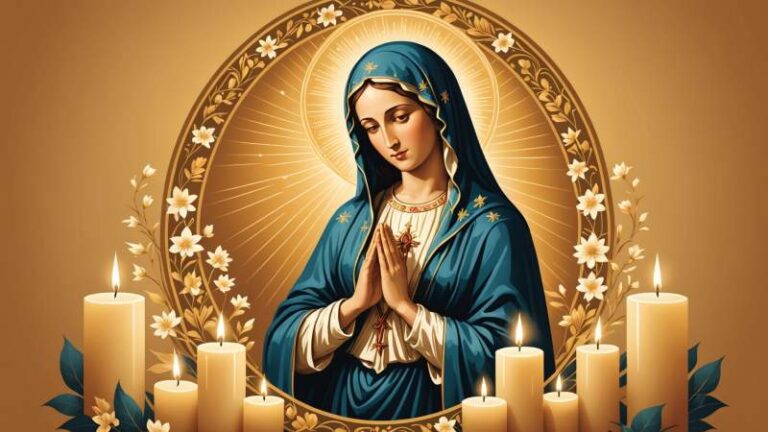
Annunciation of the Blessed Virgin Mary Christian Feast

The Annunciation of the Blessed Virgin Mary is a major Christian feast celebrated on 25 March. It marks the biblical event when the archangel Gabriel announced to Mary that she would conceive Jesus Christ.
This feast is observed by Catholics, Anglicans, Lutherans, and other Christian communities following the Gregorian calendar. The date may be adjusted if it falls during Holy Week or Easter.
In Australia, the feast is part of the General Roman Calendar and is celebrated with solemn masses and white liturgical vestments. Orthodox churches in Australia observe the feast on either 25 March or 7 April, depending on their liturgical tradition.
Date and Calendar Features of the Feast
The Annunciation of the Blessed Virgin Mary is traditionally celebrated on 25 March by Catholics and other Christian denominations that follow the Gregorian calendar. This date has been observed since the 3rd century, marking a long-standing tradition within the Christian liturgical year. However, in certain liturgical calendars such as the Roman Catholic, Lutheran, and Anglican, the date of the Annunciation can be adjusted. Specifically, if the feast falls during Holy Week, Easter Week, or on Easter itself, the celebration is moved to avoid coinciding with these significant periods. Additionally, when the Annunciation occurs on a Sunday during Lent, the feast is transferred to the following Monday. These calendar adaptations ensure that the observance of the Annunciation maintains its distinct place within the complex rhythm of the Christian liturgical calendar.
Celebration of the Annunciation in Australia
In Australia, the Annunciation of the Blessed Virgin Mary is observed on 25 March within the Catholic Church, where it is included in the General Roman Calendar applicable throughout the country. Catholic parishes hold solemn Masses annually on this date, although the celebration may be transferred to another day in accordance with universal church regulations if it coincides with Easter, Holy Week, or Easter Week. Among Anglican churches in Australia, part of the Anglican Church of Australia observes the Annunciation on 25 March as well, following their own liturgical calendar rooted in the tradition of the Anglican Communion.
Orthodox parishes in Australia observe the feast according to different calendar traditions. Those adhering to the Julian calendar, such as parishes of the Russian Orthodox Church Outside Russia and some Serbian parishes, celebrate the Annunciation on 7 April according to the Gregorian calendar, which corresponds to 25 March on the Julian calendar. Conversely, Orthodox parishes under the jurisdiction of the Ecumenical Patriarchate of Constantinople, the Antiochian Orthodox Church, and certain other jurisdictions use the Revised Julian calendar and commemorate the Annunciation on 25 March according to the Gregorian calendar, aligning their observance with that of the Catholic Church.
Liturgically, Catholic dioceses in Australia employ white vestments during Masses for the Annunciation, consistent with the general Roman custom for Marian and Christological feasts.
Historical and Theological Significance of the Feast
The Annunciation of the Blessed Virgin Mary stands as one of the most important Christian feasts, commemorating a pivotal moment in Christian theology. This feast is dedicated to the Gospel event in which the Archangel Gabriel announced to the Virgin Mary the forthcoming birth of Jesus Christ. The very name of the feast is derived from this ‘good news’ proclaimed by Gabriel. Among the four Evangelists, only the Apostle Luke provides a detailed account of the Annunciation, highlighting its unique place within the scriptural narrative. Additionally, the story of the Annunciation is also reflected in apocryphal texts, which offer further perspectives on this foundational event. Together, these sources underscore the profound historical and theological meaning attributed to the feast within Christian tradition.
Symbolism of the Date and Spiritual Significance
The date of 25 March, celebrated as the Annunciation of the Blessed Virgin Mary, carries profound symbolic meaning within Christian tradition. One interpretation of this date is its placement exactly nine months before 25 December, the day commemorating the Nativity of Christ, thus linking the conception of Jesus with his birth in a meaningful temporal relationship. Another significant perspective associates 25 March with both the Annunciation and the creation of humanity, suggesting that these events share the same calendar day. This coincidence symbolises a second chance granted to humanity. The creation of man is traditionally connected with the disobedience of Eve and the subsequent expulsion from Paradise. In this context, Eve’s disobedience is balanced by the obedience of the Virgin Mary, whose acceptance of God’s will initiates the redemption of mankind. Thus, the act of redemption is understood to have begun on the very day that humanity first fell into sin, highlighting the spiritual depth and restorative hope embodied in the feast of the Annunciation.
Liturgical Traditions and Rites
During the celebration of the Annunciation of the Blessed Virgin Mary, Catholic priests wear white liturgical vestments. These white garments are traditionally used not only on Marian feast days but also on celebrations dedicated to the Saviour. The choice of white vestments underscores the solemnity and purity associated with the feast, reflecting its significance within the liturgical calendar. This practice highlights the continuity of liturgical symbolism in honouring both the Virgin Mary and Christ during important religious observances.
Historical Features in England
In England, as well as in Wales and Ireland, the Annunciation of the Blessed Virgin Mary held a significant historical role as the official start of the new year. This practice continued until the adoption of the Gregorian calendar in 1752. Prior to this calendar reform, the Feast of the Annunciation marked the beginning of the civil year, reflecting its importance not only in religious observance but also in the structuring of time and official record-keeping within these countries.