Horse Protection Day and Equine Welfare Awareness
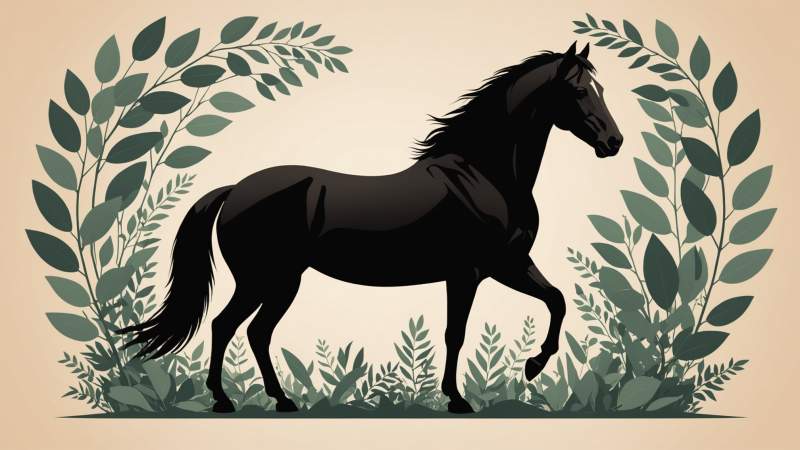
Horse Protection Day is an annual event held on 1 March dedicated to raising awareness about the welfare of horses. It focuses on the challenges horses face, including neglect, abuse, and exploitation, and promotes their humane treatment.
The day was founded in 2005 by animal expert Colin Page to draw attention to unwanted, abandoned, and mistreated horses, encouraging efforts for their rescue, rehabilitation, and rehoming. It is observed internationally and highlights the importance of equine welfare in various contexts.
Horses have played a vital role in human civilisation for over 5000 years, serving in transport, agriculture, and cultural symbolism. Horse Protection Day also addresses issues related to wild horse management, equine therapy, and welfare standards in sports and transport, including regulations and practices in Australia.
Date and Origin of the Holiday
Horse Protection Day is observed annually on the 1st of March. The holiday was first celebrated in 2005 and was established by animal expert Colin Page. The creation of Horse Protection Day was motivated by the need to draw public attention to the issues faced by unwanted and abandoned horses, as well as those subjected to slaughter or exploitation. This day is dedicated to raising awareness about the difficulties horses encounter and aims to protect them from cruelty, exploitation, and neglect. The primary goal of Horse Protection Day is to encourage the rescue, rehabilitation, and rehoming of horses in need. While it originated in one country, the observance of Horse Protection Day has since spread internationally.
Horse Protection and Welfare in Australia
In Australia, the protection and welfare of both domestic and wild horses are governed by a comprehensive framework of national standards and state legislation. The Australian Standards and Guidelines for the Welfare of Livestock during Land Transport, endorsed by the Council of Australian Governments in 2012, provide a national benchmark for the humane treatment of horses during transportation. Additionally, animal rights, including those of horses, are enshrined in state and territory laws such as the Prevention of Cruelty to Animals Act 1979 in New South Wales and the Prevention of Cruelty to Animals Act 1986 in Victoria, ensuring legal protection against mistreatment.
Wild horses, known as brumbies, are a significant focus of welfare and management efforts, particularly in Kosciuszko National Park in New South Wales. The population control of brumbies involves contentious methods including trapping, ground and aerial culling, and relocation programs. These practices have sparked public debate regarding their humaneness and ecological impact. In 2018, the New South Wales Parliament passed legislation recognising the cultural heritage value of the Kosciuszko brumbies, acknowledging them as part of the cultural landscape. This recognition has intensified discussions among conservationists and animal welfare advocates.
Equestrian sport in Australia is regulated by Equestrian Australia, which operates under the rules of the International Federation for Equestrian Sports. The organisation oversees official registration and welfare standards at competitions. A system of stewards and official veterinarians is in place at race meetings and other equestrian events, with the authority to withdraw horses showing signs of injury or poor condition to safeguard their welfare.
Charitable organisations such as Horse Rescue Australia and Save a Horse Australia play a vital role in rescuing and rehabilitating neglected, abandoned, or seized horses. These groups contribute significantly to the welfare landscape by providing care and rehoming services.
The welfare of horses in slaughterhouses and during transport to abattoirs is regulated by national codes of practice that mandate humane treatment throughout these processes. Although horse meat consumption is not widespread culturally in Australia, licensed facilities produce and export horse meat for international markets.
Management of pastures utilised by wild horses involves balancing conflicting interests among conservation efforts, agricultural use, and animal welfare concerns. These conflicts are often addressed through public hearings and reviews of land use plans, reflecting the complex nature of horse welfare within Australia’s environmental and agricultural contexts.
Historical Legislative Measures for the Protection of Horses
The protection of horses through legislative measures has a long history marked by significant milestones across different countries. In 1641, the Massachusetts Body of Liberties included clauses 92 and 93, which prohibited cruelty to animals commonly used by humans, explicitly encompassing horses. This early legal recognition set a precedent for animal welfare. Moving forward to the 19th century, on 10 April 1866, New York enacted a law establishing the American Society for the Prevention of Cruelty to Animals (ASPCA). This organisation was empowered to combat cruelty towards horses and other animals, marking a formal institutional approach to equine welfare.
In 1877, the publication of Anna Sewell’s novel “Black Beauty” in the United Kingdom brought widespread attention to the suffering of horses used in carriages. The book advocated for humane treatment and reforms against cruelty, influencing public perception and legislative attitudes towards horses. Later, on 15 December 1971, the United States passed the Wild Free-Roaming Horses and Burros Act, which provided federal protection to wild horses and burros against harassment, capture, and slaughter. This law underscored the importance of safeguarding wild equine populations.
More recently, on 9 November 2005, the European Union adopted Council Regulation (EC) No 1/2005, which established animal welfare standards during transport, including for horses. This regulation aimed to ensure humane conditions and reduce suffering during the movement of horses across borders. Collectively, these legislative measures reflect a progressive commitment to the protection and welfare of horses throughout history.
The Role and Significance of Horses in Culture and Society
Horses have held a vital position in human civilisation for over 5,000 years. Throughout history, they have been indispensable for various purposes, including riding, pulling carriages, participating in warfare, and ploughing fields. Their versatility and strength have made them central to the development of many societies. In the United States, the horse is emblematic of the American spirit and freedom, particularly symbolising the culture of the Western frontier. This deep cultural and societal significance underscores the enduring bond between humans and horses, reflecting their importance beyond mere utility.
Issues and Challenges in the Welfare of Domestic Horses
The welfare of domestic horses faces numerous significant challenges that require urgent attention. Key issues include malnutrition and poor-quality feed, which directly impact the health and vitality of these animals. Additionally, the lack of access to clean water and adequate shelter exacerbates their vulnerability. Veterinary and dental care are often insufficient or entirely absent, leading to untreated health problems. Hoof care is another critical concern, with many horses suffering from long or cracked hooves that cause pain and mobility issues. The use of painful tack further contributes to their discomfort and distress. Social isolation is a notable problem, as horses are inherently social animals, and separation from their peers can lead to behavioural and psychological issues. Excessive workloads also place undue strain on their physical and mental well-being.
Signs of neglect in domestic horses are often visible and alarming. These include prominent ribs due to underfeeding, poor coat condition, and neglected hoof care. Untreated wounds and chronic coughs indicate ongoing health problems that have not been addressed. The living environment of neglected horses is frequently dirty and unsuitable, contributing to their overall decline. Behavioural symptoms such as apathy, social withdrawal, stereotypic movements, fear, and aggression during handling are clear indicators of poor welfare and mistreatment. Recognising these signs is essential for improving the care and protection of domestic horses.
Management and Controversies Surrounding Wild Horses
The management of wild horses is a subject of ongoing controversy, primarily due to the need to balance animal welfare, ecological concerns, and land use. Various methods employed to control wild horse populations, such as capture techniques, often induce significant stress in the animals. Without effective population control, wild horse herds may experience overgrazing, leading to both starvation and environmental degradation. Debates surrounding wild horse management frequently focus on birth control methods and the allocation of grazing lands. Humane management practices aim to address these issues by implementing birth control measures, protecting natural habitats, minimising stress during handling, providing veterinary care, and supporting adoption programmes. Additionally, these approaches involve regular reassessment of land use plans to ensure sustainable coexistence between wild horses and their environment.
Issues and Regulation in Equestrian Sport
Equestrian sport faces several welfare challenges that directly impact the well-being of horses involved in competition. Key issues include injuries sustained during events, the misuse of medications, and harsh training methods that can cause physical and psychological harm to the animals. To address these concerns, regulatory frameworks have been established within the sport. These rules limit the use of whips to prevent excessive force, mandate veterinary examinations to ensure horses are fit to compete, and prohibit certain substances that could unfairly enhance performance or mask injuries. Additionally, horses that sustain injuries during competition are required to be withdrawn from events to safeguard their health. Such regulations aim to balance the demands of competitive equestrianism with the ethical treatment and protection of horses, reflecting a commitment to their welfare within the sporting context.
Horse Slaughter and Related Issues
The practice of horse slaughter and the consumption of horse meat varies significantly across different countries, with some permitting it and others imposing bans. Debates surrounding horse slaughter often focus on several critical concerns, including the conditions under which horses are transported, the methods used for slaughter, the origins of the animals involved, and the cultural traditions that influence these practices. In the United States, the last three horse slaughter plants closed in 2007 following state-level prohibitions in Texas and Illinois. Subsequently, a 2011 report by the U.S. Government Accountability Office (GAO) highlighted that, after the cessation of domestic horse slaughter, an increased number of American horses were being sent to slaughterhouses in Mexico and Canada. These developments underscore the complex regulatory and ethical landscape surrounding horse slaughter and its implications for equine welfare.
Equine Therapy and Its Benefits
Equine therapy has been recognised for its significant benefits in supporting individuals with various conditions, including autism, post-traumatic stress disorder (PTSD), and disabilities. Research indicates that interaction with horses through structured therapeutic programmes can contribute positively to the mental and physical well-being of participants. These programmes are carefully designed to ensure the welfare of the horses involved. They monitor the animals’ health closely, limit their workload to prevent overexertion, and provide appropriate care and opportunities for social interaction among the horses. This approach not only supports the therapeutic goals for humans but also upholds high standards of equine welfare, reflecting a balanced consideration of both human and animal needs within equine therapy practices.