National Meal Prep Day and Its Role in Healthy Eating
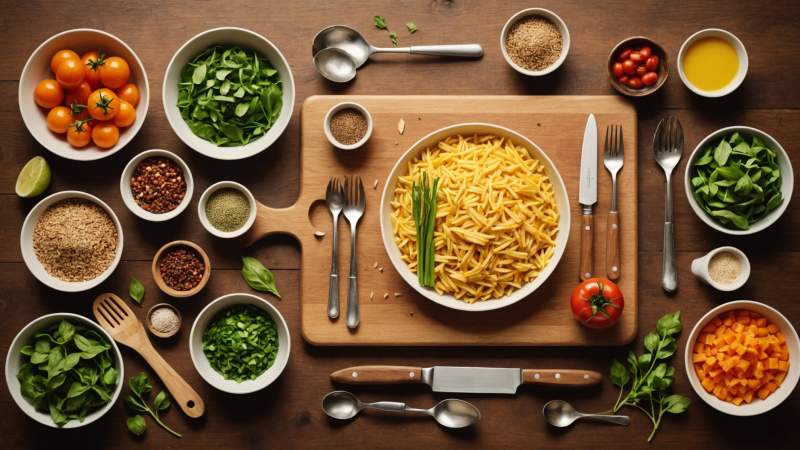
National Meal Prep Day is celebrated every year on 9 June in Australia. It was founded in 2021 by the Australian company Phit Phuel to promote the advantages of preparing meals at home.
Meal preparation and planning are recognised as effective ways to maintain a healthy lifestyle. They help individuals save time and money while improving the quality of their diet.
Research shows that home cooking is associated with higher consumption of vegetables, whole grains, and essential nutrients, as well as better weight management and reduced intake of unhealthy fats.
Date and Establishment of the Holiday
National Meal Prep Day is observed annually on 9 June. This day was officially established in 2021 by the Australian company Phit Phuel. Since its inception, the holiday has been celebrated every year on the same date, marking a dedicated occasion to recognise the importance of meal preparation. The founding of National Meal Prep Day by Phit Phuel highlights the company’s role in promoting awareness around this practice from 2021 onwards.
Celebration Features in Australia
In Australia, the practice of home meal preparation is closely linked to healthier dietary habits, including increased consumption of vegetables and whole grains, as highlighted by a 2017 study. This connection underscores the importance of meal preparation in promoting balanced nutrition among Australians. According to data from the Australian Bureau of Statistics in 2015, Australians spend an average of 37 minutes daily on cooking activities, reflecting a significant commitment to preparing meals at home. Complementing these habits, the Australian Government’s Healthy Eating Pyramid program advocates for meal planning as a strategy to achieve a balanced intake of essential nutrients. Together, these factors illustrate how meal preparation is integrated into Australian lifestyles, supporting the goals celebrated on National Meal Prep Day.
History and Development of Food Preparation
The history of food preparation traces back to some of the earliest human achievements, with the oldest evidence of controlled fire use for cooking dating approximately two million years ago. This fundamental advancement marked a significant shift in human dietary practices. Over time, the structure of meals evolved, with lunch becoming the main meal of the day around the late 1200s. The 19th century witnessed the rise of dining establishments such as cafeterias and fast food outlets, alongside the diversification of culinary styles, reflecting broader social and economic changes. In more recent history, there has been a notable decline in the time devoted to home cooking. Between 1965–1966 and 2006–2007, the average time spent preparing meals at home decreased, indicating a societal shift towards consuming more food prepared outside the domestic environment. This trend highlights the evolving nature of food preparation practices and their role in daily life.
The Impact of Home Cooking on Health
Experts regard meal preparation at home as an ideal approach to maintaining a healthy lifestyle. Increasingly, home cooking is recognised as an effective method to improve diet quality and prevent obesity. Research indicates that consuming food prepared outside the home is associated with poorer dietary quality and a higher percentage of body fat. Among young people, more frequent home cooking correlates with greater intake of fruits, vegetables, fibre, folate, and vitamin A, alongside a reduced consumption of fats. The process of planning and preparing meals not only supports health maintenance but also offers financial savings. By controlling ingredients and portion sizes during meal preparation, individuals can better manage their weight. Additionally, preparing meals at home limits the intake of unhealthy foods and aids in regulating blood sugar levels.
Benefits of Meal Planning
Meal planning can initially seem like a challenging task, but its benefits are significant when approached correctly. One of the primary advantages is the reduction of stress related to deciding what to eat, as planning meals in advance removes the daily uncertainty around food choices. Additionally, planning shopping trips ensures that all necessary ingredients are purchased, preventing last-minute omissions and unnecessary trips to the store. National Meal Prep Day offers an opportunity to gain valuable advice on how to save both time and money through effective meal planning. Survey results have demonstrated that individuals who plan their meals tend to have a higher quality diet. Furthermore, meal planning has been associated with a lower risk of obesity among both men and women. To maximise these benefits, meal planning should be guided by six key principles: balance, adequacy, energy control, moderation, nutrient density, and variety. Adhering to these principles supports healthier eating habits and contributes to overall well-being.
Research and Surveys on Nutrition
In May 2009, an online survey was conducted in France to explore the relationship between diet and various health benefits. The primary objective of this survey was to analyse the population’s choices in areas such as nutrition, lifestyle, physical activity, and overall health status. This research aimed to provide insights into how dietary habits correlate with other factors that contribute to well-being, offering valuable data for understanding the broader context of healthy eating practices.
Culinary Skills and Food Choices
Culinary skills play a significant role in shaping individuals’ food choices and eating habits. Those with limited cooking abilities are more likely to rely on meals prepared outside the home, such as packaged foods or takeout options. This reliance can impact the nutritional quality of their diet. National Meal Prep Day serves as an important opportunity for people to prepare healthy dishes while simultaneously enhancing their culinary skills. By engaging in meal preparation, individuals can gain confidence in cooking and make more informed decisions about the foods they consume.
Storage Features and Menu Types
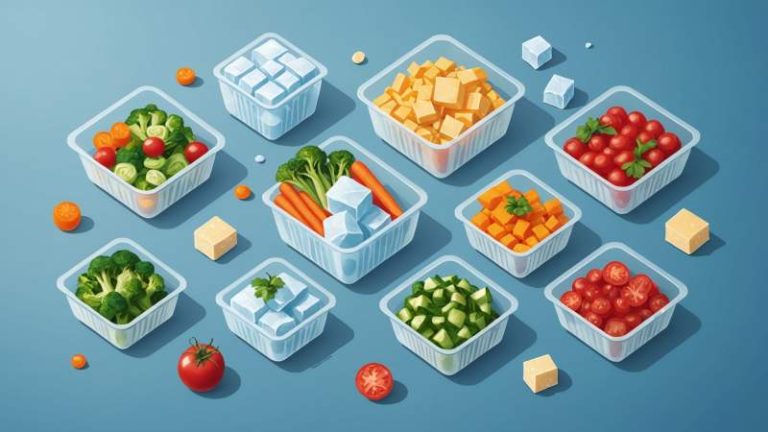
An essential aspect of meal preparation involves understanding proper storage practices and the types of menus commonly employed in food service establishments. Most prepared dishes are not stored in refrigeration for longer than five days, ensuring food safety and maintaining quality. In the context of public catering, there are five primary menu types utilised: à la carte, static, du jour, cyclical, and fixed menus. Each menu type offers distinct approaches to meal selection and planning, catering to different operational needs and customer preferences. Recognising these storage limitations and menu classifications is crucial for effective meal preparation and management.
Interesting Facts About Food and Cooking
Food and cooking have long been intertwined with cultural practices and unique traditions, some of which reveal fascinating and unusual facts. For instance, the Swedish dish surströmming is notorious for its extremely strong odour, to the extent that many airlines have banned the transportation of its canned form. Historical culinary practices also reflect practical and symbolic uses of food. Viking warriors who were wounded were given a strong onion soup; the smell of onion emanating from their wounds was an indicator of severe internal injuries. In terms of cooking techniques, the meat of the cassowary bird was known for its toughness, leading to the recommendation of cooking it with a stone inside the pot to tenderise the meat. Additionally, the Mexican soup pozole has a complex history: originally, it was prepared using human flesh before cannibalism was prohibited, after which pork became the standard ingredient. Beyond these historical and cultural peculiarities, some foods offer notable health benefits. Dark chocolate, for example, is recognised for its positive effects such as reducing stress, lowering blood pressure, improving vision, and aiding memory retention. These diverse facts highlight the rich and sometimes surprising connections between food, cooking methods, and their broader cultural and health implications.
General Significance of the Holiday
National Meal Prep Day serves as an important reminder of the value of home-cooked food. The day is dedicated to raising awareness about healthy eating habits by emphasising the benefits of preparing meals at home. By highlighting the significance of homemade meals, the holiday encourages individuals to consider the impact of their food choices on overall health and wellbeing. This observance plays a key role in promoting a culture that recognises the importance of nutritious, thoughtfully prepared food in daily life.