
National Lamington Day and Its Australian Dessert Heritage
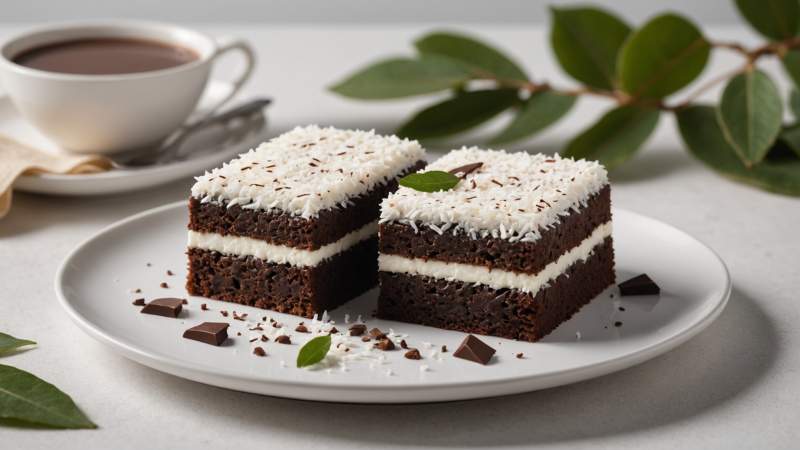
National Lamington Day is celebrated annually in Australia on 21 July, recognising a beloved national dessert. The lamington is a traditional sponge cake square dipped in chocolate and rolled in coconut.
The dessert is named after the 2nd Baron Lamington or his wife, with the earliest references to the cake appearing in the late 1800s. It has become a symbol of Australian culinary heritage.
Lamingtons are popular across Australia and New Zealand, often served with jam or cream fillings, and play a role in community fundraising and cultural events.
Date of Celebration in Australia
National Lamington Day has been officially celebrated in Australia on the 21st of July since 2006. This date marks the annual recognition of the lamington, a beloved Australian dessert, and serves as a dedicated occasion for Australians to honour and enjoy this iconic treat. The establishment of this specific day provides a consistent annual opportunity for festivities and awareness centred around the lamington within the country.
The Significance of the Lamington in Australia
The lamington is a quintessential Australian dessert, consisting of sponge cake squares coated in chocolate sauce and desiccated coconut. Beyond its culinary appeal, the lamington holds a special place in Australian culture and community life. It is commonly sold at fundraising events for schools and charitable organisations, a practice known as the “Lamington movement,” which highlights its role in supporting local causes. The dessert’s cultural importance was formally recognised during Queensland’s Q150 celebrations, where the lamington was listed among the state’s cultural symbols. This recognition underscores the lamington’s status as an emblem of Australian heritage. Further emphasising its significance, the Australian Lamington Appreciation Society (ALAS) was established to preserve and promote this iconic dessert. Additionally, the lamington features in traditional afternoon tea services at historic venues such as The Palace Tea Room on George Street in Sydney, where it is served alongside classic savoury snacks, reflecting its enduring popularity and integration into Australian culinary traditions.
History and Origin of the Dessert
The lamington dessert is named after Charles Cochrane-Baillie, the 2nd Baron Lamington, or possibly his wife, Lady Lamington. Historical accounts indicate that Baron Lamington visited New Zealand in 1895, where he may have encountered a recipe resembling the lamington. Recent research suggests that the lamington cake might have actually been invented in New Zealand and was originally called the Wellington. Interestingly, Baron Lamington himself referred to the pastries as “shabby, crumbly sponges” and did not express any fondness for the dessert. These details highlight the complex and somewhat contested origins of the lamington, linking it closely to both Australian and New Zealand culinary history.
First Mentions and Recipes
The earliest recorded mention of the lamington cake dates back to 1896. This initial reference appeared in the Australian press within the context of a reception held in honour of the governor. Such documentation marks the dessert’s emergence into public awareness during the late 19th century. Subsequently, the first published recipe for the lamington was featured in an Australian newspaper in December 1900, providing a formalised guide to its preparation. Following the dissemination of this recipe, Australian women began to participate in competitions to create the best lamington at regional fairs, signalling the dessert’s growing cultural significance and popularity within local communities.
Origins and Serving Versions
The invention of the lamington dessert is most commonly attributed to Armand Galland, the chef of Lord Lamington. Galland reportedly created the dessert using leftover sponge cake, chocolate, and desiccated coconut to serve unexpected guests. Notably, coconut was not a widely used ingredient in Europe at the time; however, Galland was familiar with it through his wife, who was from Tahiti. There are differing accounts regarding where the lamington was first served. One version claims it was initially presented in Toowoomba, while another suggests it was first served at the Government House around 1900. The latter version is considered unlikely, as there is a documented mention of the cake dating back to 1896, predating the 1900 claim.
Modern Variations and Popularity
In the twenty-first century, the lamington has evolved beyond its traditional form, embracing a variety of modern adaptations that enhance its flavour and texture. A notable variation includes the addition of a layer of fruit jam or cream between two squares of sponge cake, offering a richer and more indulgent experience. This trend has seen lamingtons filled with strawberry jam or whipped cream, which are carefully layered to complement the classic chocolate coating and desiccated coconut exterior.
The popularity of lamingtons extends beyond Australia, reaching New Zealand where versions featuring raspberry jam have become widespread. These contemporary takes on the dessert reflect a broader appreciation for combining fresh fruit flavours with the iconic lamington structure. Such innovations have contributed to the enduring appeal of lamingtons, ensuring their place as a beloved treat in both countries.
Interesting Facts and Curiosities
Among the intriguing historical details connected to National Lamington Day and its broader Australian context is the role of Charles Wallace Alexander Cochran-Baillie. On 1 January 1901, he signed the declaration that marked Western Australia’s entry into the Australian Federation, a significant moment in the nation’s history. While this event is not directly related to the lamington dessert itself, it situates the celebration within the wider framework of Australian national identity and unity.
Another notable curiosity occurred in 2014 when Guardian Australia published an April Fools’ joke claiming that the lamington dessert originated in New Zealand. This playful hoax sparked discussion and highlighted the dessert’s cultural significance in Australia, underscoring how deeply the lamington is embedded in Australian culinary heritage. Such anecdotes contribute to the rich tapestry of stories surrounding National Lamington Day, blending historical milestones with lighthearted moments.