
World Rat Day: Recognition and Appreciation of Pet Rats
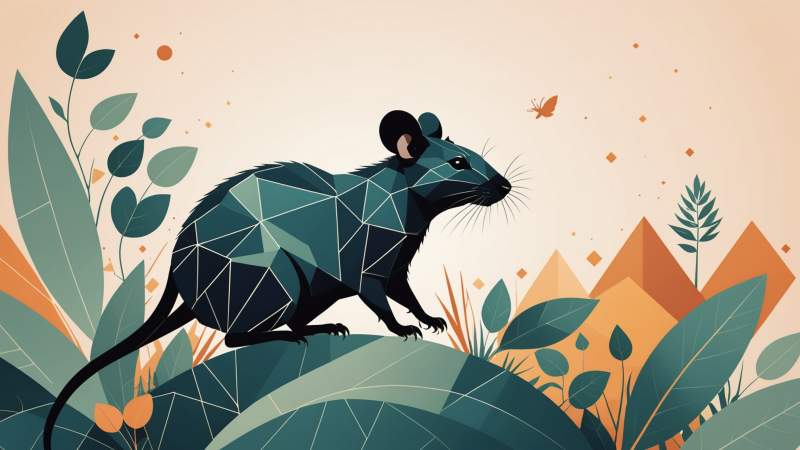
World Rat Day is an annual event held on 4 April to celebrate pet rats and raise awareness about their qualities and significance. The day was initiated by American rat breeders in 2003 and coincides with the founding date of ratlist, the oldest internet resource dedicated to decorative rats.
Rats are recognised for their intelligence, sociability, and adaptability. Pet rats, bred in captivity over many generations, are known for their affectionate and curious nature, distinguishing them from their wild counterparts. The day serves to challenge societal prejudices and highlight the unique traits of these animals.
In Australia, World Rat Day also supports conservation efforts for native rat species, including endangered kangaroo rats and water rats. Local rat enthusiast societies promote education and responsible pet ownership, while events often feature festivals and exhibitions to celebrate the role of rats both as pets and in the natural environment.
Date and Origin of the Celebration
World Rat Day is observed annually on April 4th, a tradition that began in 2003. The choice of this specific date is linked to the launch of ratlist, the oldest online resource dedicated to pet rats. The establishment of World Rat Day was initiated by American rat enthusiasts with the purpose of drawing attention to pet rats and fostering a global community of their admirers. This celebration serves as a unifying event for those who appreciate decorative rats, highlighting their significance within the pet-keeping community.
Features and Significance in Australia
Australia is home to a diverse range of native rat species that have inhabited the continent long before human settlement, accounting for approximately a quarter of all native mammals. Among these, the water rats, known locally as rakali, are found in the southern regions and are now a protected species, safeguarded from culling. Conservation efforts extend to other native rodents as well, such as the kangaroo rats, with programs aimed at restoring their populations, including reintroduction initiatives on the Yorke Peninsula in South Australia.
The country also boasts an active community of rat enthusiasts, exemplified by organisations like the Australian Rodent Fanciers Society, which operates across most states and territories. Australian breeders have developed a distinctive coat marking for fancy rats called the “Australian” or “Down Under” pattern, first observed in Sydney in 1998.
In some Australian towns, such as Karumba, seasonal conditions like the rainy season have led to significant outbreaks of long-haired rats, highlighting the dynamic nature of local rodent populations. Environmental groups leverage World Rat Day to promote breeding and reintroduction programs for rare Australian rat species, emphasising the importance of these native animals within the country’s unique ecosystem.
Biological and Behavioural Characteristics of Rats
Rats are widely recognised as intelligent and agile creatures, known for their lively temperament and remarkable resilience. Their biological makeup is closely related to humans, with rat genomes sharing approximately 95 percent similarity to human DNA. This genetic closeness underpins many of their complex behaviours. Rats exhibit fierce determination, fighting relentlessly for survival or to protect their offspring. They demonstrate learning capabilities by adapting from past experiences, and their emotional depth is evident in behaviours such as forming pair bonds and experiencing dreams. Communication among rats is highly sophisticated, involving tens of thousands of ultrasonic signals that are inaudible to humans. Additionally, rats possess the capacity for empathy, showing concern for the wellbeing of others within their social groups. These biological and behavioural traits highlight the complexity and richness of rat life, contributing to their unique status among animals.
Pet Rats and Their Characteristics
Pet rats differ from their wild counterparts primarily because they have been bred in captivity over many generations. Originating in England, these domesticated rats have become popular as companion animals due to their unique blend of intelligence and affectionate nature. Like wild rats, pet rats are highly intelligent, yet they also exhibit the gentle and loving qualities typical of domestic pets. They are easily tamed and generally do not show aggression towards humans, with biting occurring only in extreme situations. Enthusiasts of pet rats often describe them as tender, sociable, curious, and friendly creatures, making them well-suited for companionship.
Historical and Cultural Significance of Rats
Rats have held a notable place in human history and culture, reflected in various traditions and scientific practices. In the Chinese calendar, an entire year is dedicated to the rat, highlighting its cultural importance. Historically, rats, along with many other animals, have been utilised by medical researchers as laboratory subjects for centuries, underscoring their role in scientific advancement. Despite this, society has often harboured prejudices against rats, largely due to a prolonged history of conflict and negative associations. The purpose of World Rat Day is to challenge these biases by emphasising the unique qualities of rats and recognising them as living beings, comparable to any other domestic animal. This day seeks to foster a more informed and appreciative perspective on rats, acknowledging their significance beyond common misconceptions.
Celebration of World Rat Day
World Rat Day is marked by enthusiasts who dedicate time to their pet rats, often gathering with friends to share their appreciation. On this day, it is common for owners to give gifts to their rats and capture photographs, celebrating the bond they share. The occasion is also highlighted by various events such as festivals, exhibitions, and parties that feature rats as the central focus. These gatherings aim not only to entertain but also to educate attendees about the contributions and qualities of rats. A key message promoted during these events is that rats are more than mere toys; they are intelligent and valuable companions deserving of respect and care.