Wild Koala Day and Koala Conservation in Australia
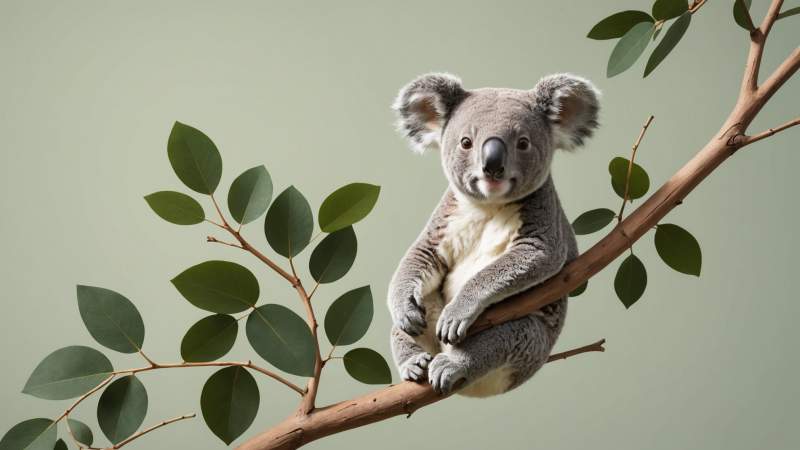
Wild Koala Day is celebrated every year on 3 May across Australia. It was founded in 2016 by a network of independent groups dedicated to the conservation and rehabilitation of koalas. The day serves to remind the public of the critical need to protect wild koalas and their natural habitats.
Koalas are tree-dwelling herbivorous marsupials found mainly in the coastal areas of eastern and southern Australia, including New South Wales, Queensland, South Australia, and Victoria. They are unique as the only species in the genus Phascolarctos and are more closely related to wombats than bears.
These animals spend most of their lives in eucalyptus trees, feeding on the leaves of about 30 preferred species out of over 600 types of eucalyptus. Due to the low energy content of their diet, koalas rest or sleep for up to 20 hours a day to conserve energy. Wild Koala Day includes various activities aimed at raising awareness and supporting conservation efforts.
Date and Establishment of the Celebration
Wild Koala Day in Australia is observed annually on the 3rd of May. This day was established in 2016 by a network of independent groups dedicated to the conservation and rehabilitation of koalas. The creation of this day reflects a coordinated effort by these organisations to raise awareness and promote the protection of wild koalas across the country.
Celebrations in Australia
Wild Koala Day in Australia is marked by a variety of events aimed at raising awareness and supporting the conservation of this iconic species. Activities on this day include eucalyptus planting campaigns, themed sporting events, charity fairs, and fundraising efforts. Participants can also engage in poetry contests, charity lotteries, symbolic koala adoptions, and workshops focused on population research.
The day offers opportunities for individuals to volunteer with organisations dedicated to the rescue and preservation of koalas, as well as to make donations to support these efforts. Australia is home to koala parks that attract tourists interested in learning more about these animals. Additionally, specialised clinics have been established to care for koalas injured in bushfires. Notably, Queensland is the only Australian state where tourists are permitted to hold koalas, adding a unique aspect to the visitor experience during Wild Koala Day.
Biological Characteristics of Koalas
Koalas are arboreal herbivorous marsupials and represent the sole species within the genus Phascolarctos. Despite common misconceptions, koalas are not related to bears; their closest living relatives are wombats. These animals spend the vast majority of their lives in eucalyptus trees, descending to the ground only when moving between trees. Koalas are predominantly solitary creatures, rarely interacting with one another except for mothers and their young, known as joeys. Remarkably, koalas are capable of swimming across rivers and streams to reach different eucalyptus groves, demonstrating their adaptability within their arboreal habitat.
Habitat and Distribution
Koalas inhabit the coastal regions of eastern and southern Australia, where their populations are primarily found across several states. These marsupials are distributed throughout New South Wales, Queensland, South Australia, and Victoria, reflecting a broad but specific range within the country. Additionally, Kangaroo Island serves as a notable habitat for wild koalas, providing a unique environment that supports their presence outside the mainland. This distribution highlights the koalas’ preference for certain geographic areas along Australia’s coastline, which are crucial for their survival and natural lifestyle.
Diet and Behaviour
Koalas primarily feed on eucalyptus leaves, selecting from approximately 30 preferred species out of more than 600 eucalyptus varieties. In Australia, where around 750 eucalyptus species exist, koalas typically consume leaves from 9 to 10 of these species. Their daily intake ranges from 0.5 to 1.1 kilograms of eucalyptus foliage. The leaves contain a high moisture content, which generally reduces the need for koalas to drink water frequently. However, larger individuals may occasionally require additional water sources. Since eucalyptus leaves are not a rich source of energy, koalas have adapted by spending up to 20 hours per day sleeping or resting to conserve energy. This behavioural pattern is essential for managing their low-energy diet and maintaining their physiological needs.
Threats and Conservation
Koalas are currently listed as a vulnerable species by the International Union for Conservation of Nature (IUCN), reflecting the significant risks they face in the wild. The primary threat to koalas is the destruction and fragmentation of their natural habitat, largely driven by urbanisation and land clearing. This loss of habitat severely impacts their ability to find food, shelter, and breeding sites. In addition to habitat loss, koalas are also threatened by attacks from domestic dogs, collisions with vehicles, and the increasing frequency and severity of bushfires. Environmental challenges such as drought and climate change further exacerbate these threats, placing additional stress on koala populations. Historically, koalas in South Australia were completely wiped out in the first half of the twentieth century due to hunting for their fur, a practice that has had lasting effects on their numbers in the region. Conservation efforts must address these diverse threats to ensure the survival of koalas in their natural environment.
Etymology and Interesting Facts
The name “koala” originates from an Aboriginal word meaning “does not drink,” reflecting a distinctive characteristic of these marsupials. This etymology highlights the koala’s unique adaptation to its environment, as it rarely drinks water, obtaining most of its hydration from eucalyptus leaves. The purpose of Wild Koala Day is to remind the public of the importance of preserving wild koalas in their natural habitats. By raising awareness through this event, the significance of conserving these iconic Australian animals is emphasised, encouraging efforts to protect their populations in the wild.